An Automatic Smt Pcb Unloader is a machine that removes finished printed circuit boards from an SMT production line. It usually receives boards from a reflow oven, inspection station, or conveyor. The system then separates, stacks, or transfers them for the next process. This simple movement protects boards from unnecessary manual handling.
In a modern factory, the unloader works with conveyors, sensors, magazines, and programmable controls. It can detect board position, regulate transfer speed, and stop when a magazine becomes full. Operators gain a steadier workflow and fewer repetitive lifting tasks. Small details matter. A gentle clamp prevents scratches, while accurate rail alignment avoids edge damage. Experienced engineers also check board thickness, panel size, and magazine compatibility before installation.
However, automation is not magic. A poorly adjusted sensor can interrupt production. Weak communication between machines may create unexpected stops. The unloader also cannot correct bad panel design or careless maintenance. Reliable performance depends on clean rails, tested signals, suitable settings, and documented inspections. Safety guarding and emergency-stop functions should follow applicable workplace requirements and equipment standards.
This guide explains how the machine operates, where it fits in an SMT line, and which features deserve attention. It also considers capacity, compatibility, maintenance, and return on investment. The goal is practical understanding, not exaggerated promises. A well-selected Automatic Smt Pcb Unloader can improve consistency, but only when its mechanical design matches the factory’s real production conditions.
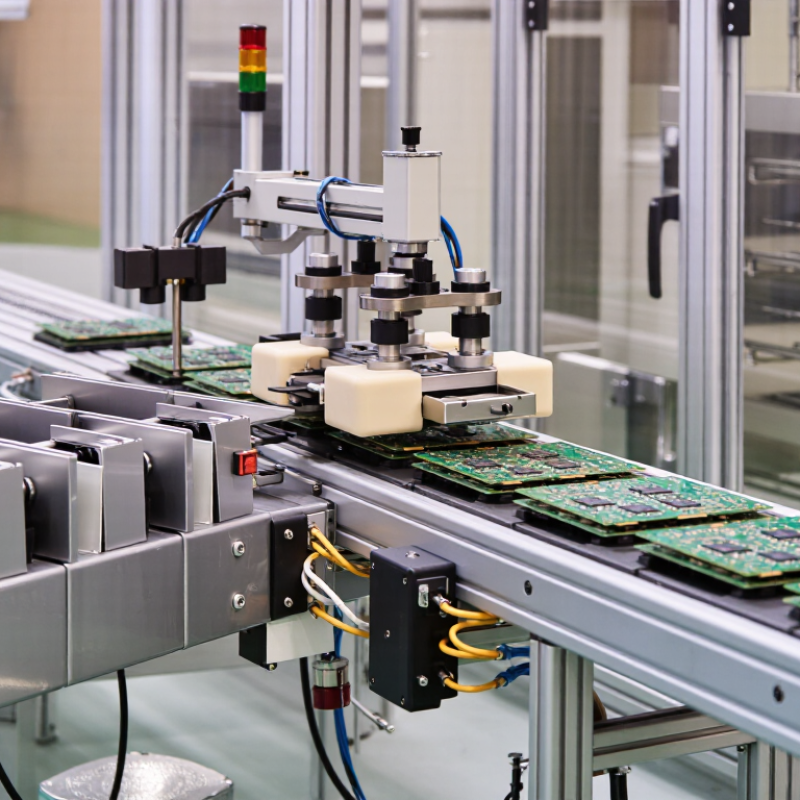
Definition and Purpose of an Automatic SMT PCB Unloader
What Is an Automatic SMT PCB Unloader?
Definition and Purpose of an Automatic SMT PCB Unloader
An automatic SMT PCB unloader removes assembled circuit boards from a production line without manual handling. It usually receives boards from a conveyor, checks their position, and transfers them into a magazine. Sensors confirm board presence and movement. A programmable controller coordinates each step.
The main purpose is controlled, repeatable unloading after surface mount technology assembly. Operators can reduce direct contact with warm, delicate, or densely populated boards. This helps limit scratches, component displacement, electrostatic discharge, and production interruptions. It also keeps board spacing consistent for inspection, testing, or later processing.
A practical unloader should match the line’s conveyor height, board dimensions, magazine size, and transfer direction. Adjustable guides are useful when products change during a shift. ESD-safe materials and grounded contact surfaces support safer handling. Some systems also record cycle counts and transfer alarms, improving traceability during quality checks.
It is simple.
However, automatic handling does not remove every risk. A poorly adjusted guide may press against fragile components. A dirty sensor can create false stops. In my experience, technicians often focus on speed and overlook magazine alignment. That mistake can cause repeated jams. Careful setup, routine cleaning, and verification with real production boards remain necessary. Small errors matter.
Main Components and Operating Mechanism
What Is an Automatic SMT PCB Unloader?
Main Components and Operating Mechanism
An automatic SMT PCB unloader transfers finished boards from the reflow line to downstream storage or inspection. Its main components include a conveyor module, lifting platform, magazine rack, sensors, control unit, and safety enclosure. The conveyor uses adjustable guide rails to support different board widths. A motorized elevator then positions an empty magazine at the loading height. Small details matter. Poor rail alignment can scratch solder joints or stall the board.
The operating cycle is simple but tightly controlled. Sensors confirm board presence, magazine position, and access-panel status. The controller starts the conveyor only after these signals match. A pusher or belt mechanism moves each PCB into a free slot. The elevator shifts one pitch before accepting the next board. According to IPC’s electronics manufacturing benchmarks, automated material handling supports more consistent throughput and reduces manual handling variation. This is especially useful as PCB assemblies become smaller and more densely populated.
Market research from Grand View Research reports continued growth in industrial automation through 2030, driven by labor shortages and production consistency. However, an unloader is not automatically efficient. A crowded magazine, weak sensor calibration, or incorrect board spacing can interrupt the entire line. Operators should verify cycle time, board thickness range, ESD controls, and recovery procedures during commissioning. The machine may run quickly. The process still needs careful human judgment.
What Is an Automatic SMT PCB Unloader?
An automatic SMT PCB unloader removes assembled printed circuit boards from the end of a surface-mount technology line and transfers them into a magazine or downstream handling system. A typical operating cycle uses a conveyor, alignment guides, sensors, a lifting or transfer mechanism, a magazine indexing system, and a PLC-based control unit.
The chart presents a representative 4.5-second handling cycle commonly used for automated PCB transfer sequences. Actual timing varies with board size, magazine capacity, conveyor height, and machine configuration.
How an Automatic PCB Unloading Cycle Works
What Is an Automatic SMT PCB Unloader?
An automatic PCB unloading cycle begins when the assembly line sends a ready signal. The unloader checks the board’s position with optical sensors. It also confirms that the receiving magazine is correctly loaded. Small details matter here. A tilted magazine can stop production.
A transfer conveyor moves the finished PCB toward the unloading station. Guide rails keep the panel centered during movement. The machine then separates the board from the conveyor using a controlled lifting or pushing mechanism. A soft contact surface helps prevent scratches and solder-joint stress. The board enters an available magazine slot at a steady speed. Sensors verify that the PCB has reached the correct depth. If the slot is blocked, the system pauses instead of forcing the panel.
After placement, the magazine advances to its next position. The controller records the slot status and signals the upstream equipment. This communication prevents two boards from entering the same space. In production, I have found that sensor alignment affects reliability more than many operators expect. Dust, vibration, and uneven guide rails can create false readings. The cycle is not flawless. A poorly adjusted conveyor may still cause minor edge contact. Regular cleaning and careful height checks reduce these problems. Operators should also review alarm records, not just clear them. That habit often reveals repeated magazine-loading errors before they become costly stoppages.
Integration with SMT Production Lines
What Is an Automatic SMT PCB Unloader?
Integration with SMT Production Lines
An automatic SMT PCB unloader removes assembled circuit boards from a production line and places them into a downstream magazine or handling unit. In practice, it acts as a controlled handoff between surface-mount machines. Its value depends on stable communication, accurate positioning, and gentle board handling.
During line integration, engineers match the unloader’s conveyor height, board direction, transfer speed, and magazine dimensions. The machine must communicate with upstream and downstream equipment through suitable line-control signals. A sensor confirms board presence before movement begins. Another check helps prevent double loading or an empty transfer. These controls reduce stoppages during continuous production.
Mechanical alignment deserves more attention than brochure specifications. A few millimeters of height error can create edge contact, vibration, or board jams. Operators also need clear access for magazine changes and cleaning. The unloader should support adjustable rail width for different PCB sizes. Its clamping force must avoid stressing thin panels. Keep it practical.
Integration testing should include normal boards, narrow boards, empty slots, and simulated communication loss. Record transfer times and recurring alarms during several production shifts. This evidence helps maintenance teams adjust settings instead of guessing. No system is perfect. Dust, warped boards, or inconsistent upstream spacing can still expose weaknesses. A thoughtful installation leaves room for these real conditions.
Key Benefits, Limitations, and Selection Factors
What Is an Automatic SMT PCB Unloader?
Key Benefits, Limitations, and Selection Factors
An automatic SMT PCB unloader transfers assembled boards from a reflow oven or conveyor into racks, magazines, or downstream equipment. Sensors detect board position, while a controlled pusher or lifting mechanism prevents scratches and edge damage. In a busy line, this station can reduce manual handling, stabilize cycle time, and keep operators away from hot surfaces. From equipment evaluations, I find the best results come from matching the unloader to real board flow.
The main benefit is consistency. A properly adjusted unit can separate boards at repeatable intervals and reduce handling errors. It may also support traceability through barcode scanning or production software. However, these benefits depend on maintenance. Dust, warped panels, weak sensors, or misaligned guides can cause stoppages. It is not a magic box. A careless setup may damage soldered components or create a larger bottleneck than manual unloading.
Selection requires practical checks. Confirm board dimensions, thickness range, weight, conveyor height, and magazine capacity. Ask how quickly operators can complete changeovers. Review access to sensors, belts, and pneumatic parts. Safety interlocks and emergency stops should be easy to test. Noise and compressed-air use also matter during long shifts. Request a sample run with heavy and delicate boards. I once underestimated product variation; that assumption proved expensive. Choosing only for today may seem efficient, but future board sizes can quickly expose the mistake.
Conclusion
An Automatic Smt Pcb Unloader is a machine designed to remove completed printed circuit boards from the end of a surface-mount technology production process and transfer them safely to the next station or storage area. It typically includes a conveyor system, lifting or positioning mechanisms, board supports, sensors, control software, and safety protections. During operation, the unloader detects an arriving PCB, confirms its position and status, moves it through a controlled unloading sequence, and sends it to the designated output location without unnecessary manual handling.
Integrated with an SMT production line, the unloader helps maintain a continuous and organized workflow between inspection, testing, packing, or other downstream processes. Its main benefits include improved efficiency, reduced handling errors, better operator safety, and consistent board transfer. However, its performance may depend on PCB size, thickness, weight, production speed, and available floor space. When selecting a suitable system, manufacturers should evaluate compatibility, throughput, control features, adjustment flexibility, maintenance requirements, and integration with existing equipment.

 Yichun Electronic