Technical Whitepaper & Engineering Solutions for Precision SMT Quality Assurance
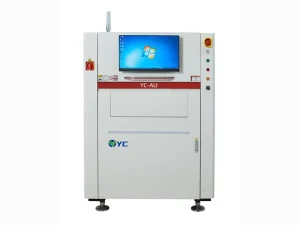
Explore our industrial-grade Automated Optical Inspection systems, reflow ovens, and SMT line automation units tailored for high-yield manufacturing.
An executive engineering report on Automated Optical Inspection deployment across advanced electronics manufacturing networks.
In contemporary Surface Mount Technology (SMT) and Through-Hole Technology (THT) assembly environments, quality control has transitioned from a manual verification bottleneck to an integrated, AI-driven optical data nodes. As an established AOI Manufacturer & Factory, Shenzhen Yichun Electronic Automation Equipment Co., Ltd. analyzes the operational shift driving global demand for 2D, 3D, and inline optical verification systems.
The miniaturization of electronic assemblies—exemplified by the rapid uptake of 01005 passives, 0.3mm pitch Micro-BGAs, and System-in-Package (SiP) architectures—has rendered human visual inspection completely obsolete. Modern PCB assemblies frequently exceed thousands of solder joints per board, requiring high-resolution optical inspection machines capable of evaluating solder fillet geometry, component polarity, coplanarity, and bridging in milliseconds per field of view (FOV).
While traditional 2D AOI platforms utilize multi-angle color algorithms to detect surface anomalies, 3D AOI leverages Phase Shift Profilometry (PSP) using Moiré fringe projection to deliver volumetric height measurement, resolving shadow effects and component reflection interference.
Integrating Deep Convolutional Neural Networks (CNNs) into AOI software drastically minimizes false alarm rates (False Call Rates). AI models automatically distinguish acceptable solder variations from true structural defects like lifted leads or cold solder joints.
Modern AOI factory integration goes beyond simple pass/fail sorting. Closed-loop communication protocols (IPC-CFX / Hermes Standard) transmit spatial defect coordinates directly back to pick-and-place units and screen printers for real-time calibration.
In-depth hardware breakdown for manufacturing engineers evaluating high-precision automated optical inspection platforms.
The core capability of any high-end AOI machine rests on its optical illumination matrix. Top tier AOI platforms engineered by factory experts utilize multi-tiered RGB+W (Red, Green, Blue, and White) LED arrays configured at multi-angle topologies:
Standard optical lenses suffer from perspective distortion where objects closer to the lens appear larger. High-precision AOI systems overcome this through dual-side telecentric lenses. Telecentric optics maintain constant magnification across depth of field, ensuring that elevated components (such as electrolytic capacitors or transformers) do not obscure neighboring 0201 or 01005 chip components.
Coupled with high-resolution industrial CMOS sensors (typically ranging from 12 MP to 25 MP at frame rates exceeding 80 FPS), the system acquires ultra-clear digital image frames processed instantly by dedicated GPU pipelines.
Modern AOI software frameworks combine deterministic rule-based algorithms with probabilistic deep learning models:
Practical SMT Production Line Solution Provider & Automation Integrator Founded in 2013
Shenzhen Yichun Electronic Automation Equipment Co., Ltd., founded in 2013, is a practical SMT production line solution provider and integrator focused on helping electronics manufacturers build stable and efficient manufacturing lines.
We specialize in SMT line planning, equipment integration, installation, and technical support based on real factory production requirements. Our solutions combine reliable SMT equipment with practical engineering experience to deliver cost-effective and easy-to-operate production lines for growing manufacturers.
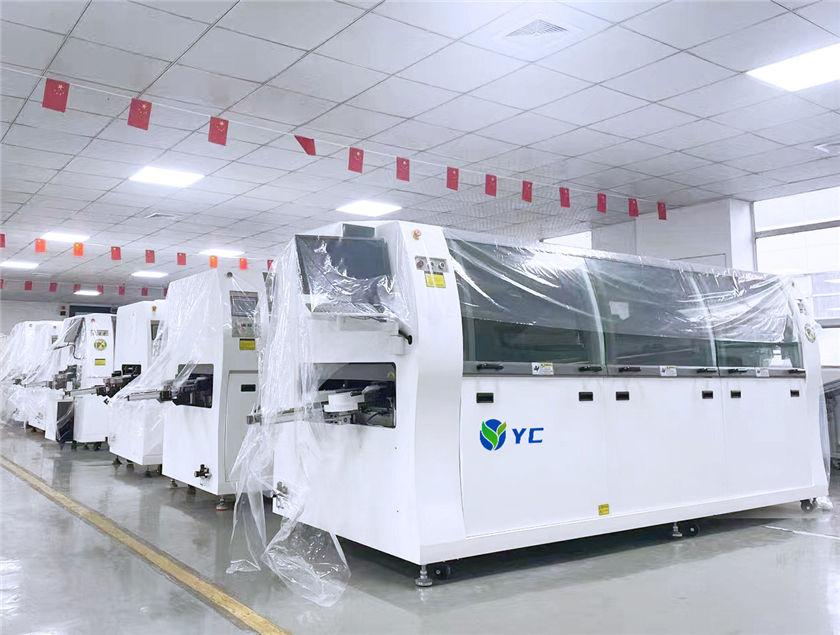
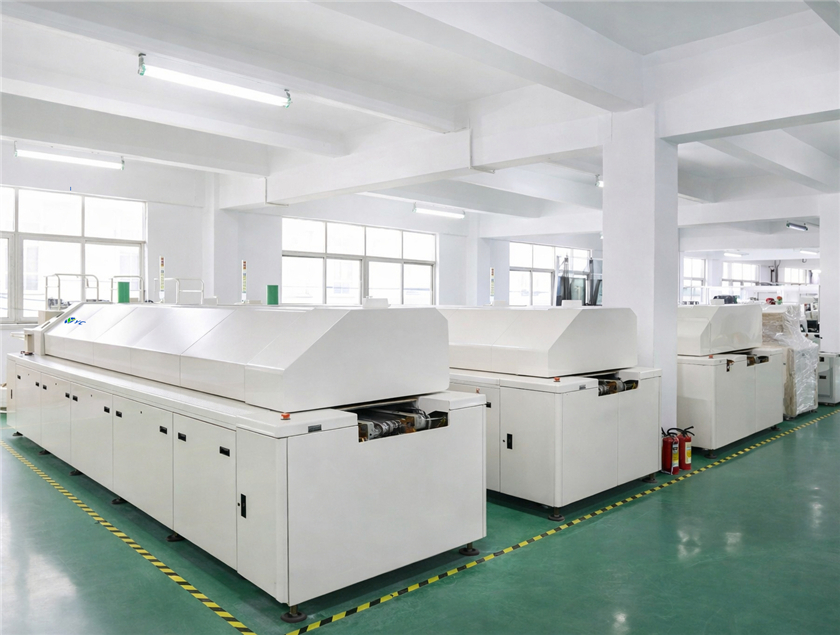
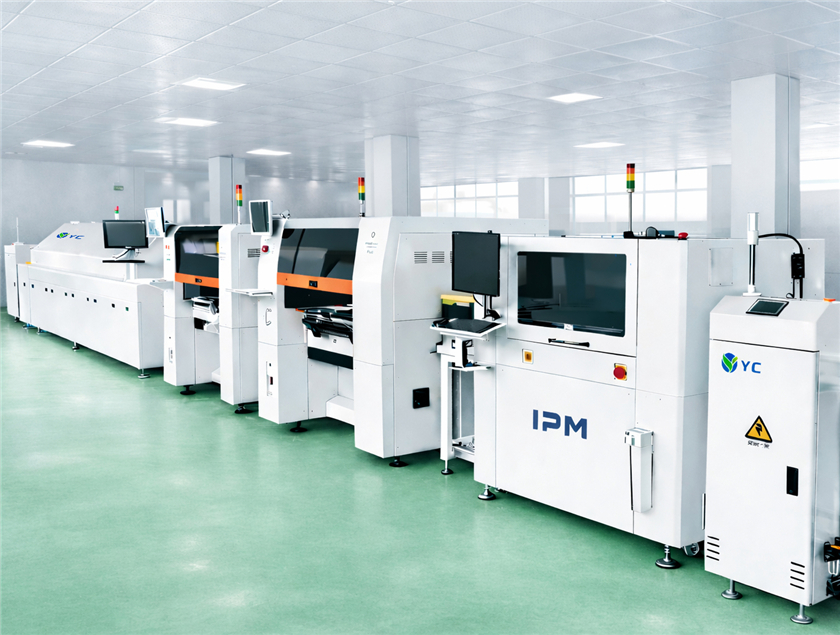
Our main solutions include reflow ovens, wave soldering systems, SMT production lines, automatic printers, pick-and-place machines, and related peripheral equipment. Rather than focusing only on individual machines, we emphasize complete line configuration, factory layout optimization, and long-term operational stability.
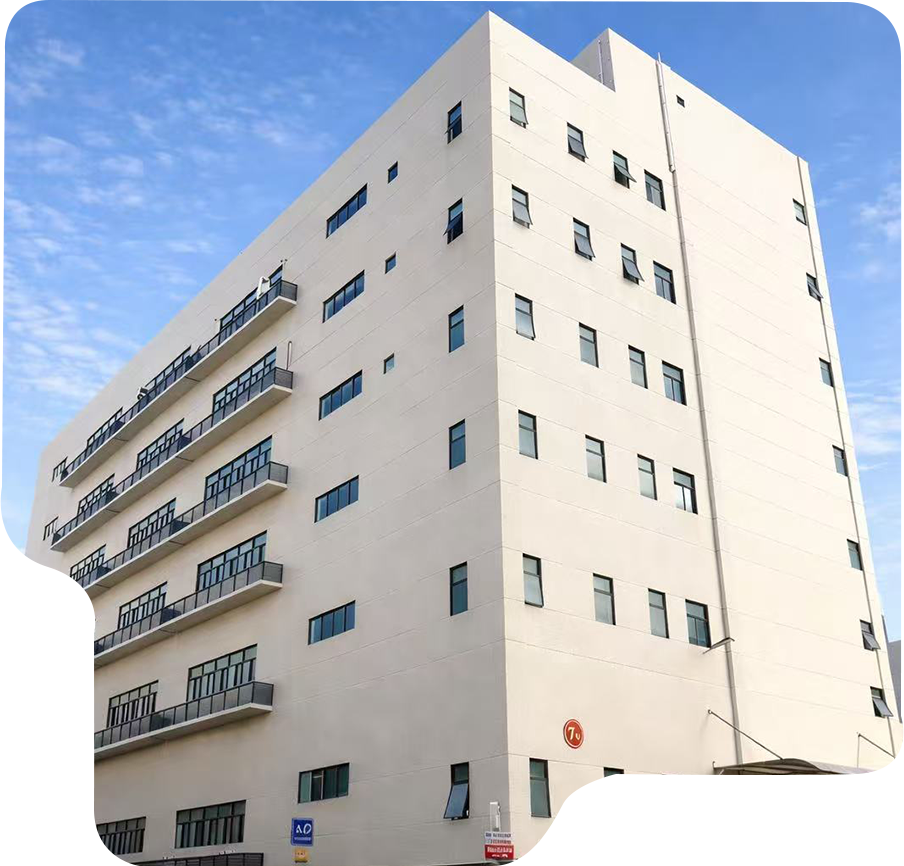
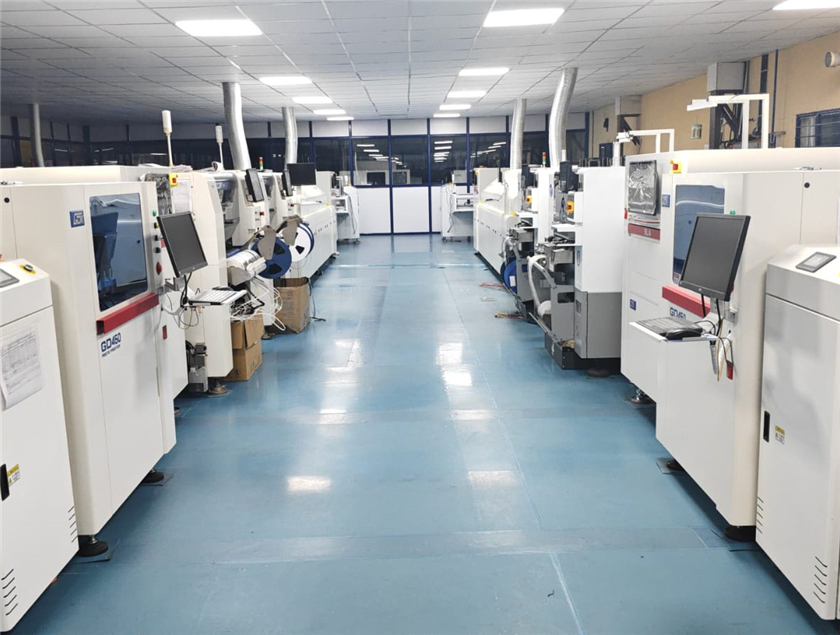
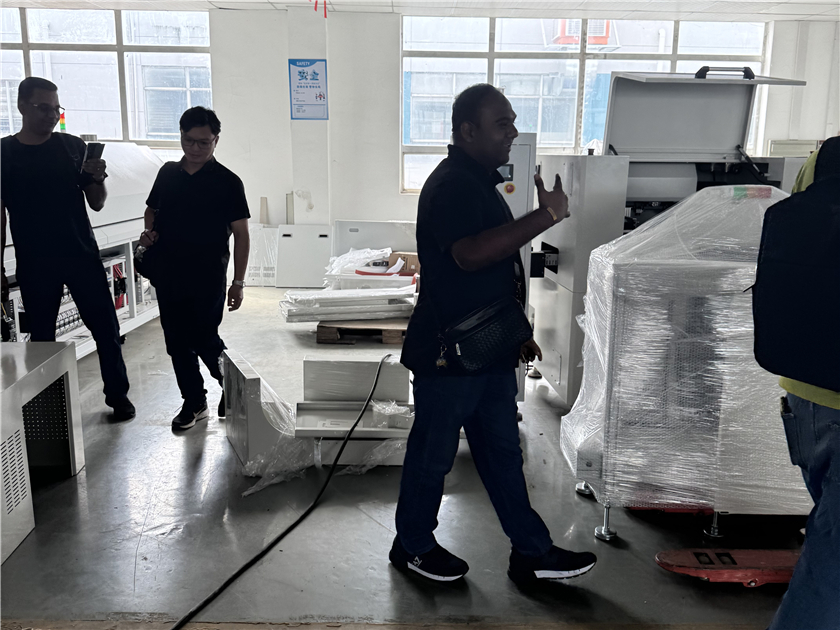
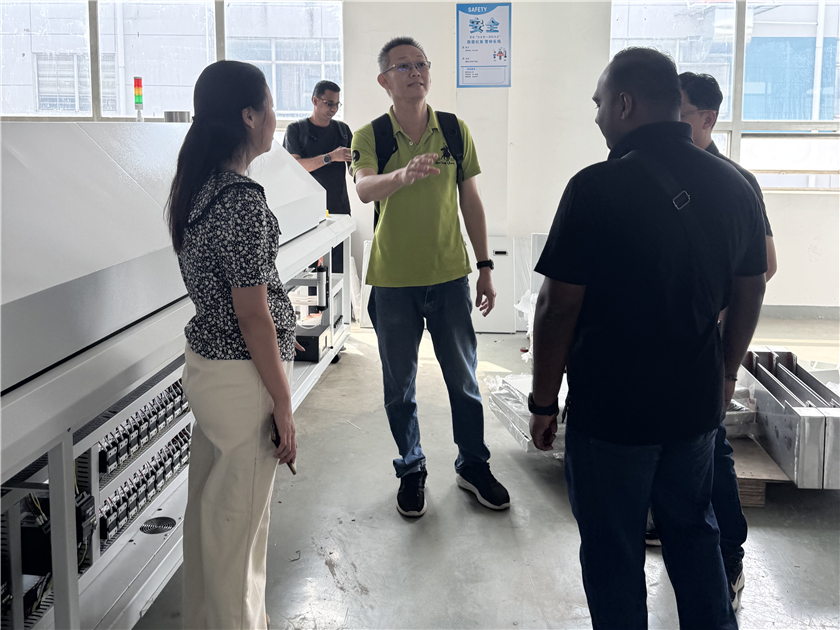
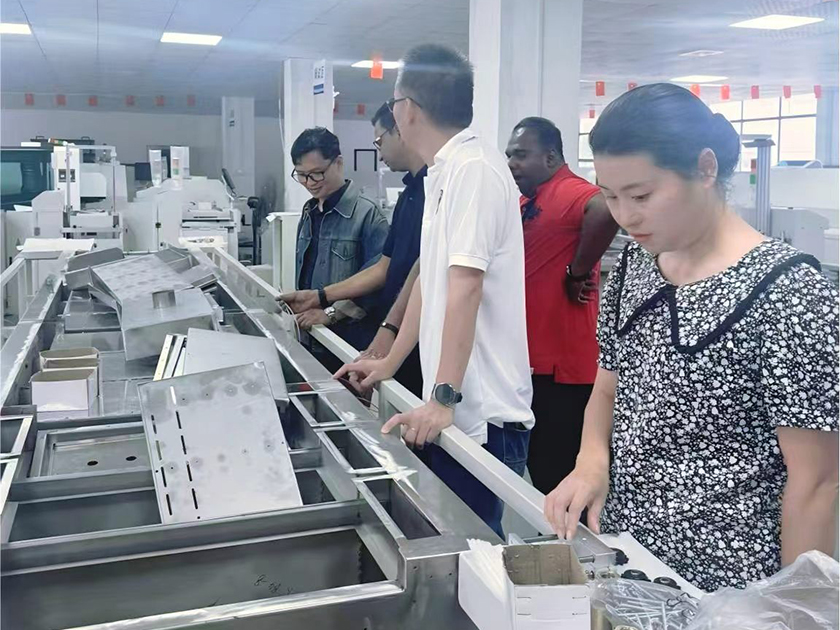
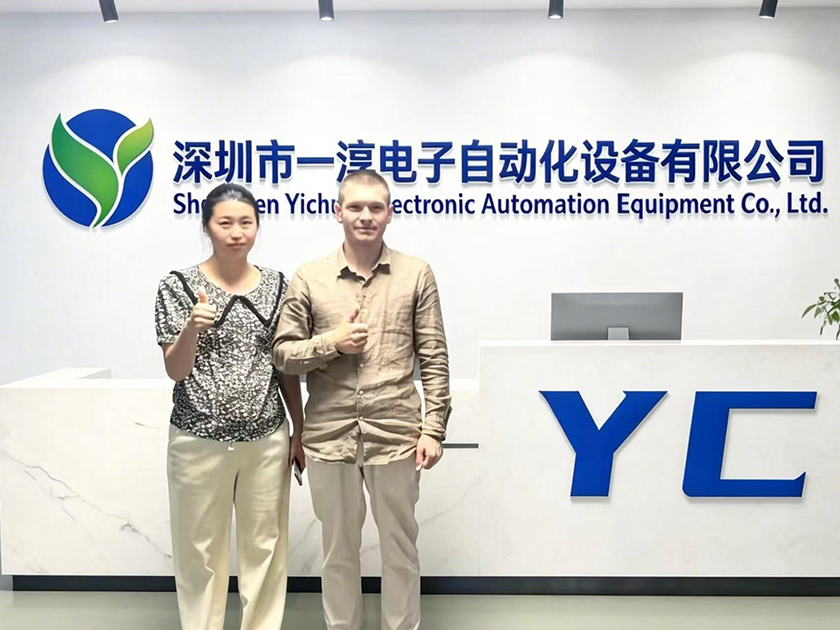
Yichun Electronic operates a demonstration and training showroom used for equipment testing, solution verification, and customer visits, helping clients better understand production processes before implementation.
To provide practical, stable, and cost-effective SMT automation solutions that help electronics manufacturers improve productivity, maintain consistent product quality, and grow their manufacturing capabilities with confidence.
To become a reliable long-term SMT line integration partner for manufacturers seeking practical solutions, flexible equipment configurations, and dependable engineering support.
We focus on real production needs rather than theoretical configurations. From initial line planning to installation and long-term maintenance, our engineering team provides continuous support throughout the entire manufacturing lifecycle to ensure stable and efficient production.
Experience in configuring complete SMT production lines based on real factory requirements and production capacity targets.
Integration of reliable SMT equipment brands to create balanced solutions combining performance, stability, and cost efficiency.
On-site installation, operator training, and technical assistance to ensure smooth production startup and stable operation.
Remote and on-site support to quickly resolve equipment issues and minimize downtime.
Carefully selected equipment and key components designed for long-term continuous production environments.
Optimized thermal systems, conveyor structures, and line balancing improve throughput and reduce bottlenecks.
Energy-saving design concepts and intelligent control help reduce operating costs across multi-shift workflows.
Clear software interfaces and practical design make training easier and reduce operator learning time.
Customized AOI and SMT line integration strategies for specialized electronics manufacturing verticals.
Automotive ECUs, Advanced Driver Assistance Systems (ADAS), and Battery Management Systems (BMS) demand zero escaping defects under high-vibration and extreme thermal stress environments.
Solution Strategy: Dual-sided inline 3D AOI integrated post-reflow with 100% pin-height verification, coplanarity checks on power MOSFETs, and direct barcode traceability linked to MES systems.
Complex multi-layer communications boards featuring 01005 passives, dense RF shield cans, and micro-BGA packages present extreme visual inspection challenges.
Solution Strategy: High-resolution telecentric optical head combined with multi-angle RGB color illumination to verify solder volume beneath component edges before RF shielding attachment.
Heavy-copper PCBs, high-power inverter modules, and hybrid DIP/SMT boards require high thermal energy during wave and reflow soldering.
Solution Strategy: Pre-wave and post-wave soldering inspection solutions utilizing deep-clearance optical heads to inspect thick pins, solder hole fill ratios, and conformal coating coverage.
As electronics manufacturing continues to evolve, Yichun Electronic remains focused on delivering practical SMT line solutions that help manufacturers build reliable and efficient production capabilities.
We believe stable equipment, realistic engineering design, and long-term technical support are the foundation of successful manufacturing operations. Whether customers are setting up a new SMT line or optimizing an existing production process, our team is committed to providing straightforward, dependable solutions tailored to real factory needs. We look forward to building long-term partnerships with manufacturers seeking practical, cost-effective SMT production solutions.
Utilizing CAD Gerber import and AI computer vision to generate complete inspection programs within 10 minutes, reducing New Product Introduction (NPI) setup times by 85%.
Integrating non-destructive X-ray inspection modules directly into high-speed inline optical inspection frames to verify hidden BGA solder voids without reducing line speed.
Deploying edge AI processing across entire factory lines to predict soldering defects before reflow completion by continuous telemetry correlation across printers, pickers, and ovens.
Detailed engineering answers to critical questions regarding AOI selection, inline SMT optimization, and ROI calculation.
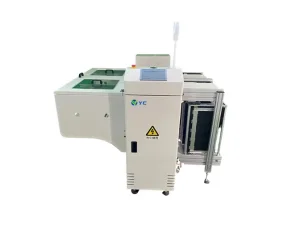
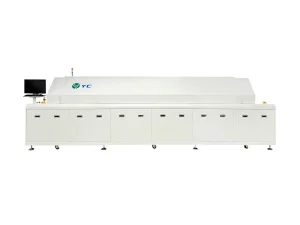
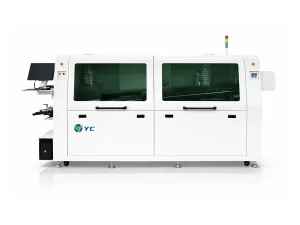
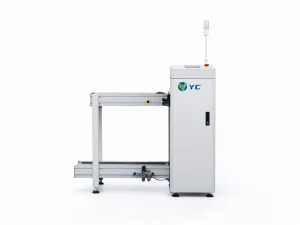
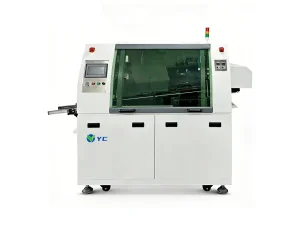
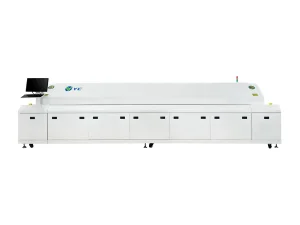
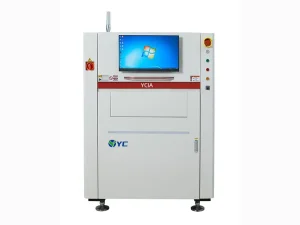
Browse our integrated automation machinery designed for seamless operation alongside our AOI inspection solutions.
 Yichun Electronic