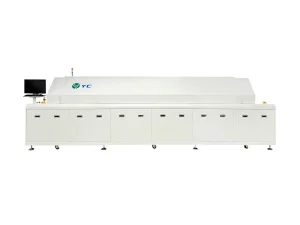
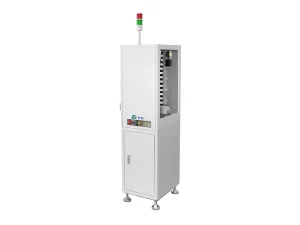
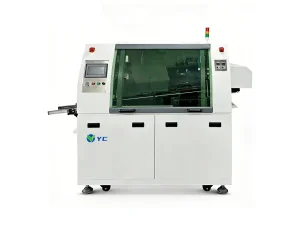
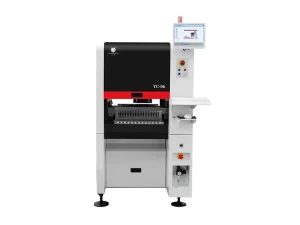
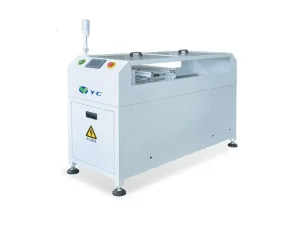
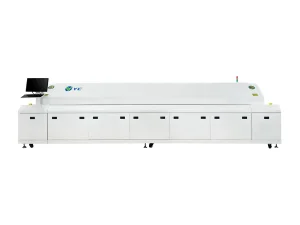
In contemporary surface mount technology (SMT) manufacturing, the 10-zone nitrogen reflow soldering machine stands as the benchmark thermal processing solution for complex, high-density Printed Circuit Board Assemblies (PCBAs). As components scale down to 01005 passives, ultra-fine pitch BGAs (Ball Grid Arrays), CSPs (Chip Scale Packages), and QFNs with tight thermal pad geometries, controlling peak temperatures and mitigating thermal gradients across the board becomes paramount.
The introduction of high-purity Nitrogen ($N_2$) into a 10-heating-zone chamber significantly displaces atmospheric Oxygen ($O_2$), reducing the residual oxygen level down to less than 100 PPM to 300 PPM. This inert environment drastically slows down alloy and flux oxidation during the thermal soak and liquidus phase. Consequently, surface tension of the molten lead-free solder (such as SAC305, SAC0307, or low-temperature Sn-Bi alloys) drops dramatically, improving wetting angles, enhancing capillary action inside via-in-pads, and eliminating common solder defects like head-in-pillow (HiP), micro-voiding, solder balling, and bridging.
A 10-zone reflow system provides an exceptionally extended process window (PW), which allows gradual thermal equalization between high-thermal-mass components (such as shielded inductors, power MOSFETs, and heavy copper planes) and low-thermal-mass passives.
| Thermal Phase | Zone Allocation | Target Temp Range (SAC305) | Primary Technical Objective |
|---|---|---|---|
| Preheating Phase | Zones 1 to 3 | 25°C to 150°C | Evaporate volatile solvents gradually; prevent thermal shock and solder paste spatter. |
| Soak Phase | Zones 4 to 7 | 150°C to 200°C | Activate flux chemistries; remove surface oxides; minimize ΔT between small components & large BGAs. |
| Reflow Phase | Zones 8 to 10 | 217°C to 245°C (Peak) | Achieve complete alloy melting; form optimal Intermetallic Compound (IMC) layer thickness (1–3 µm). |
| Controlled Cooling | Cooling Zones 1 & 2 | 217°C down to 100°C | Rapid solidification; refine solder grain structure to maximize mechanical shear strength. |
When procurement directors and VP of Operations evaluate 10-zone nitrogen reflow ovens, purchasing decisions extend far beyond initial Capital Expenditure (CapEx). Operational Expenditure (OpEx)—specifically focused on Nitrogen Gas Consumption Rates, electrical power utilization, maintenance downtime, and yield loss—dominates the total cost equation over a typical 10-year machine lifespan.
Conventional reflow ovens consume upwards of 25–35 m³/hr of $N_2$ to maintain an oxygen concentration under 200 PPM. Advanced 10-zone nitrogen reflow machines from leading Chinese manufacturers utilize dual-curtain nitrogen sealing at entry/exit apertures, internal atmosphere circulation baffles, and real-time smart $O_2$ sampling sensors. By dynamically pulsing nitrogen injection only when oxygen levels exceed set thresholds, consumption is slashed to 14–18 m³/hr, resulting in operational savings of up to $22,000 annually per production line.
Modern 10-zone systems implement high-density ultra-fine silicate thermal insulation linings combined with dual-layer housing architecture. Heat loss from the heating chamber to the outer shell is kept under 5°C above ambient room temperature. The inclusion of ultra-efficient nickel-chromium heating elements driven by solid-state relays (SSRs) reduces steady-state power consumption to approximately 10–14 kW/hr, cutting overall electrical overhead.
Lead-free paste chemistry yields significant volatile organic compound (VOC) flux vapors. Without efficient extraction, flux residue condenses on heating heaters and conveyor chains, causing contamination drips onto PCBs and mechanical clogging. Superior 10-zone reflow ovens incorporate a multi-stage Pyrolytic Flux Cracking & Filtration Unit. Flux gases are pulled into a high-temperature decomposition zone, condensed into liquid traps, and purified before recirculating back into the chamber, stretching maintenance intervals from weekly to monthly.
Founded in 2013, Shenzhen Yichun Electronic Automation Equipment Co., Ltd. is a practical SMT production line solution provider and integrator focused on helping electronics manufacturers build stable and efficient manufacturing lines.
We specialize in SMT line planning, equipment integration, installation, and technical support based on real factory production requirements. Our solutions combine reliable SMT equipment with practical engineering experience to deliver cost-effective and easy-to-operate production lines for growing manufacturers.
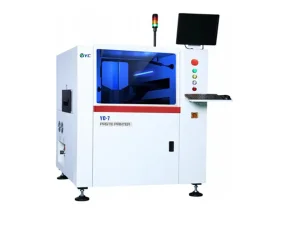
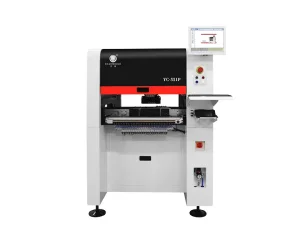
Our main solutions include reflow ovens, wave soldering systems, SMT production lines, automatic printers, pick-and-place machines, and related peripheral equipment. Rather than focusing only on individual machines, we emphasize complete line configuration, factory layout optimization, and long-term operational stability.
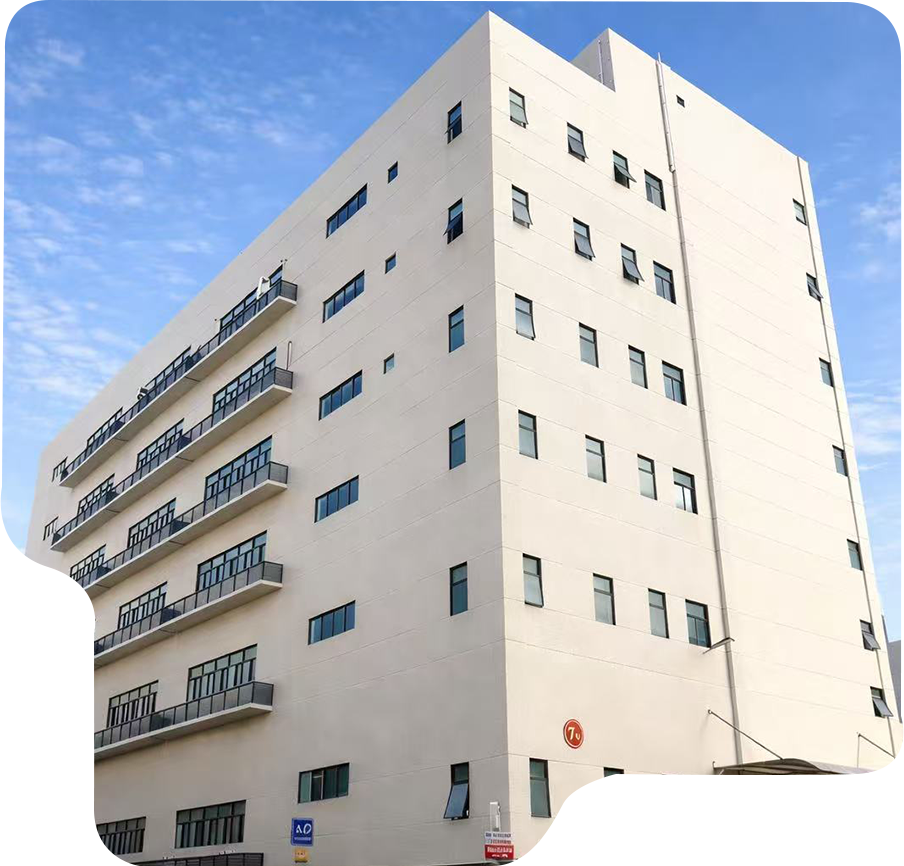
Yichun Electronic operates a demonstration and training showroom used for equipment testing, solution verification, and customer visits, helping clients better understand production processes before implementation.
To provide practical, stable, and cost-effective SMT automation solutions that help electronics manufacturers improve productivity, maintain consistent product quality, and grow their manufacturing capabilities with confidence.
To become a reliable long-term SMT line integration partner for manufacturers seeking practical solutions, flexible equipment configurations, and dependable engineering support.
We focus on real production needs rather than theoretical configurations. From initial line planning to installation and long-term maintenance, our engineering team provides continuous support throughout the entire manufacturing lifecycle to ensure stable and efficient production.
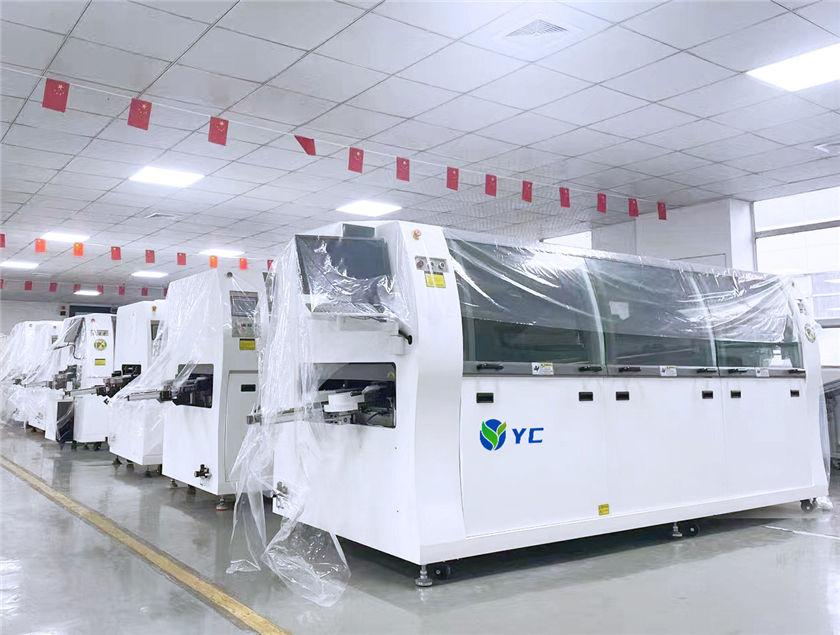
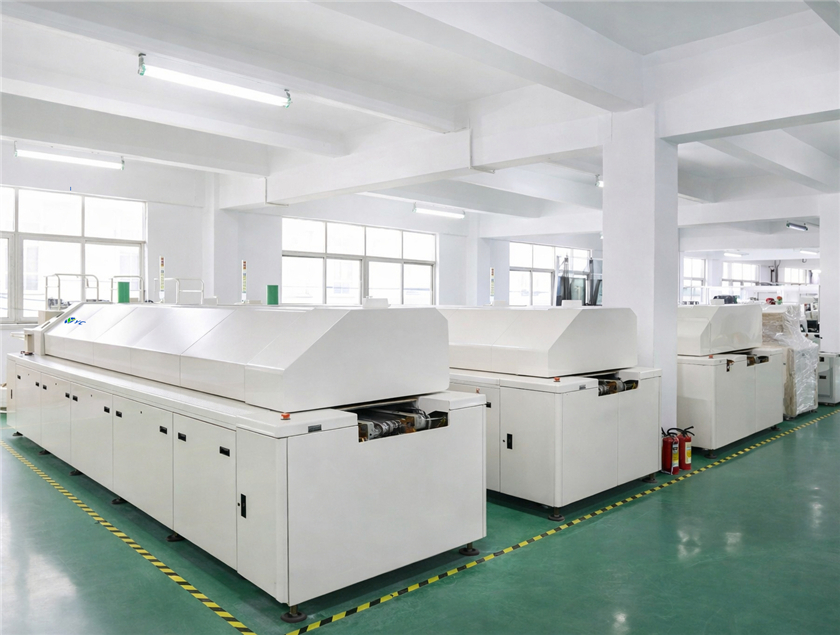
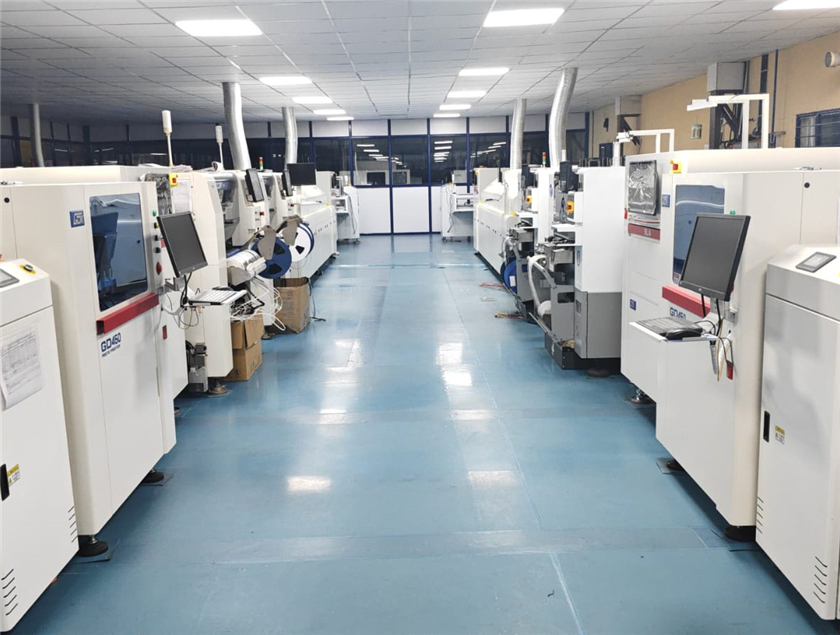
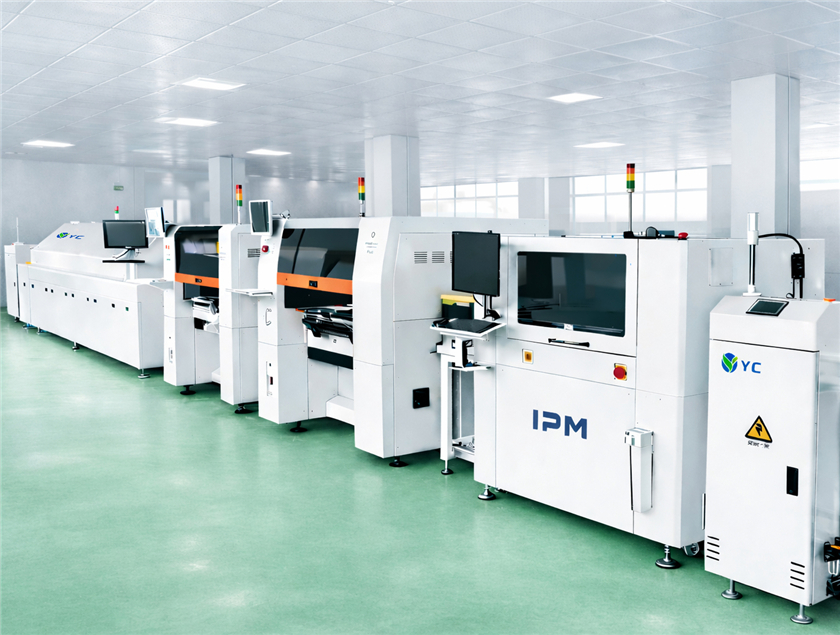
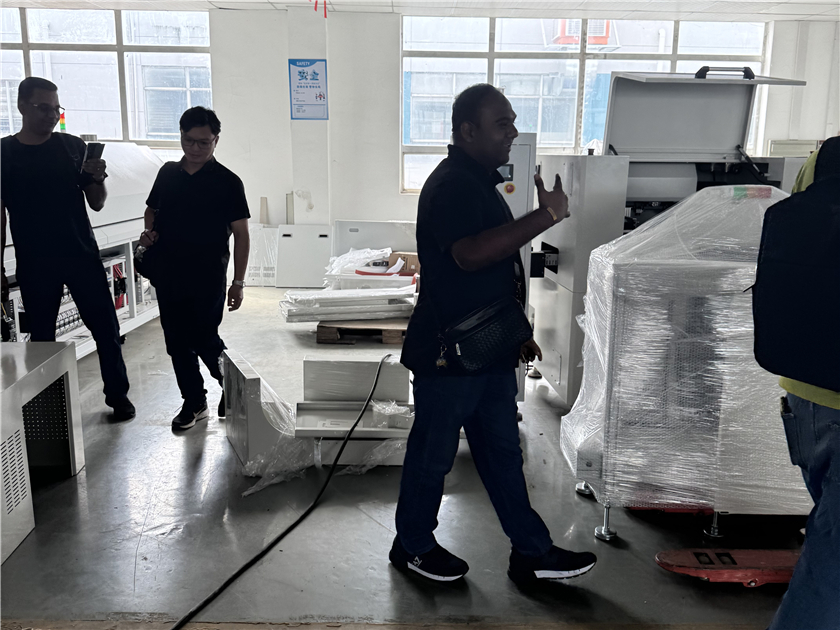
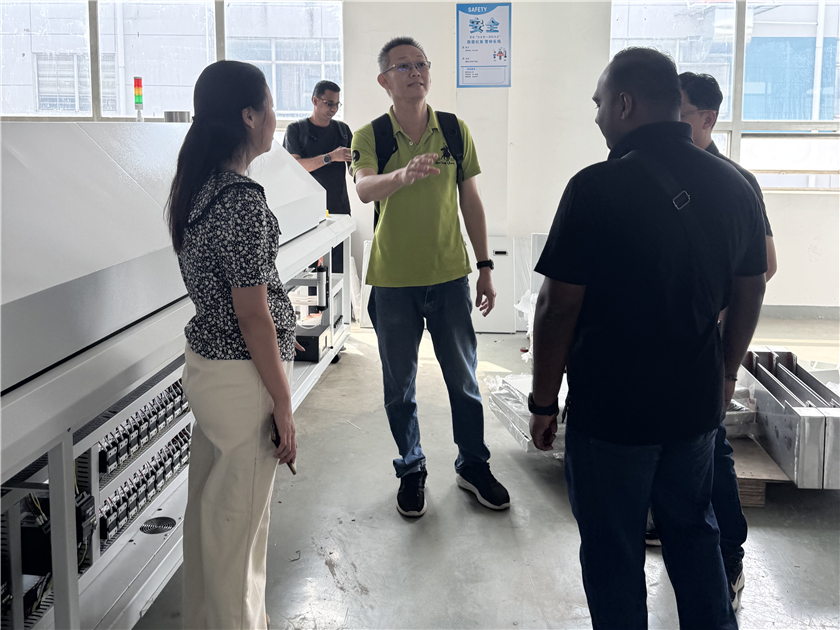
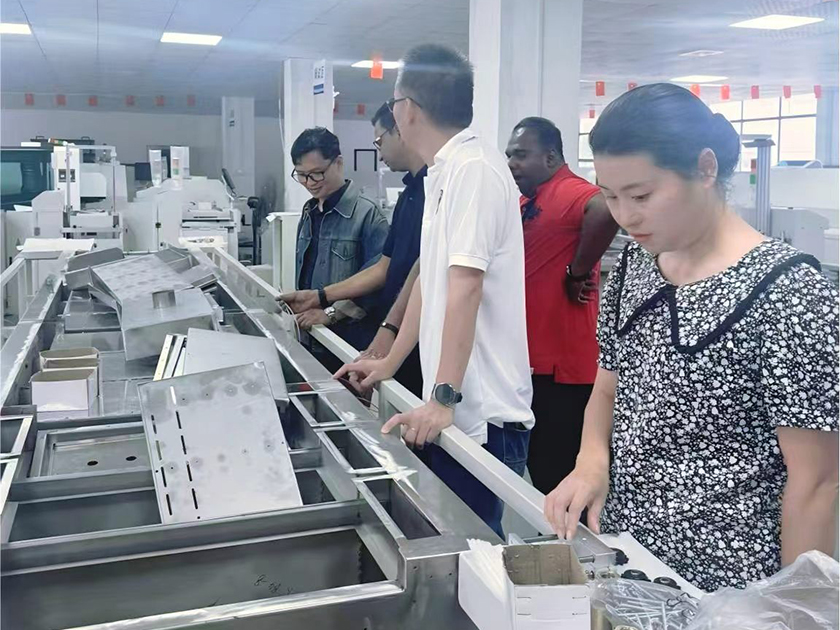
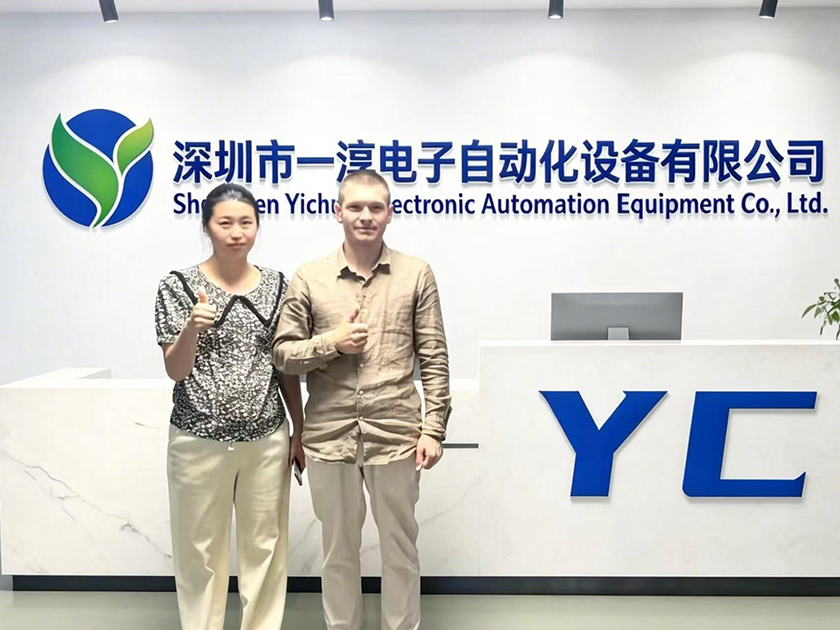
The global electronics manufacturing ecosystem has increasingly turned to top-tier Chinese original equipment manufacturers (OEMs) and exporters for high-end SMT machinery. Shenzhen's Greater Bay Area electronics industrial cluster offers an unrivaled supply chain ecosystem. This proximity allows manufacturers like Yichun Electronic to integrate world-class sub-assemblies—such as Panasonic PLC controllers, Schneider electrical switches, Siemens temperature expansion modules, and Omron sensors—at optimal cost efficiency.
Each 10-zone reflow machine chassis undergoes rigid structural stress-relief processing to ensure zero mechanical deformation under continuous 300°C operating conditions. Heating chambers are CNC-machined to sub-millimeter tolerances, ensuring airtight sealing necessary for maintaining stable nitrogen blankets. Laser-aligned mesh belts and heavy-duty dual-rail pin-chain conveyors ensure smooth board transport without vibration-induced component misalignment.
Unlike rigid legacy suppliers, Chinese SMT integrators provide dynamic machine configuration flexibility. Electronics EMS providers can request custom dual-lane dual-speed conveyor rails (allowing simultaneous processing of two completely distinct PCBA profiles), specialized high-clearance upper chamber designs (up to 50mm clearance for heavy heat sinks), or integrated vacuum reflow zones for void reduction under 1%.
Future 10-zone reflow systems incorporate embedded AI algorithms connected via IPC-CFX and Hermes protocols. Thermal profiles automatically adjust in real time based on incoming board thickness data from SPI and AOI inspection systems.
Integrating a localized vacuum chamber inside the 9th or 10th reflow zone allows instantaneous gas bubble extraction from molten solder joints, driving void rates down below 1% for automotive power electronics.
Next-generation green manufacturing initiatives are experimenting with low-percentage Hydrogen-Nitrogen atmospheric blends, reducing surface oxides further while minimizing energy requirements for thermal convection.
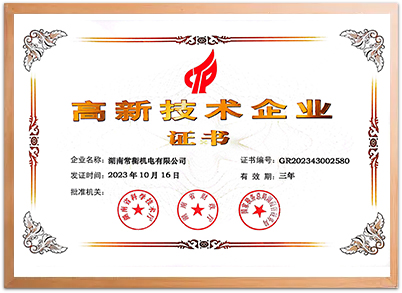
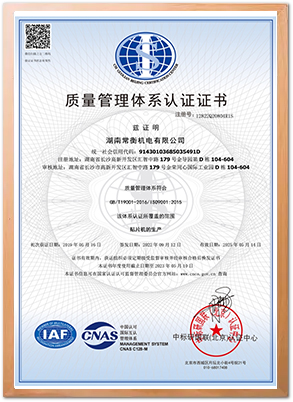
Deploying high-capital SMT equipment across international borders requires stringent adherence to safety standards and guaranteed rapid technical service response. Leading manufacturers ensure all 10-zone nitrogen reflow machines come with international safety certifications including CE conformity, UL electrical compliance, ISO 9001 factory accreditation, and RoHS/REACH environmental compliance.
To maintain line uptime, dedicated engineering teams provide round-the-clock remote diagnostic support via embedded IoT gateways. Local service centers across Southeast Asia, South Asia, and Eastern Europe keep critical spare parts (heating elements, SSRs, blower motors, thermocouple sensors) stocked for immediate dispatch.
Prior to shipment, machines undergo rigorous 72-hour continuous thermal profiling burn-in tests using 9-channel profiling devices. Oxygen displacement speed, temperature uniformity across 1000mm width, and conveyor speed linearity are certified and documented.
As electronics manufacturing continues to evolve, Yichun Electronic remains focused on delivering practical SMT line solutions that help manufacturers build reliable and efficient production capabilities. We believe stable equipment, realistic engineering design, and long-term technical support are the foundation of successful manufacturing operations.
Whether customers are setting up a new SMT line or optimizing an existing production process, our team is committed to providing straightforward, dependable solutions tailored to real factory needs. We look forward to building long-term partnerships with manufacturers seeking practical, cost-effective SMT production solutions.
 Yichun Electronic