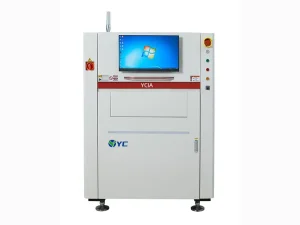
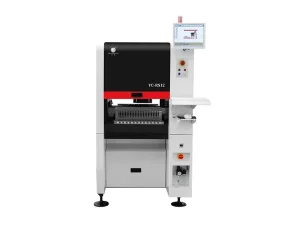
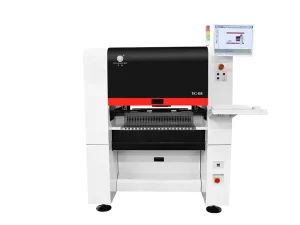
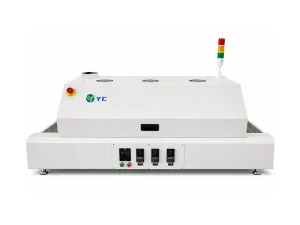
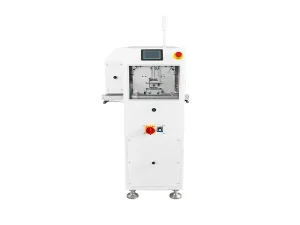
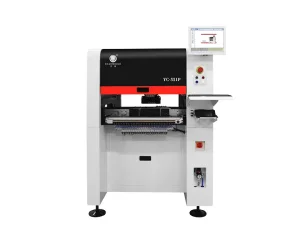
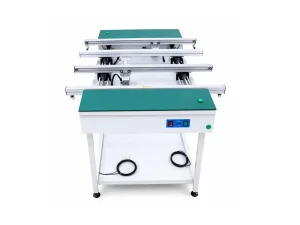
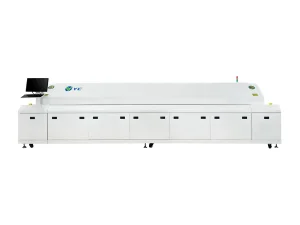
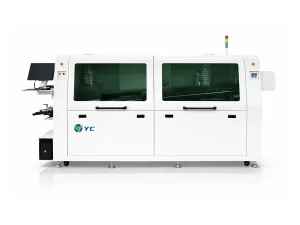
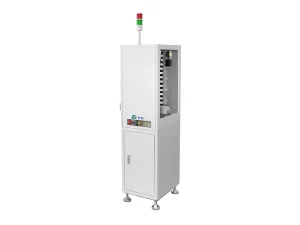
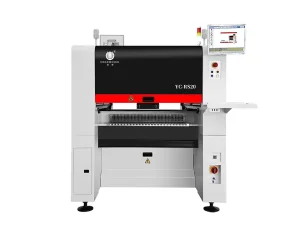
High-precision loaders, unloaders, inspection systems, and reflow ovens engineered for optimal line efficiency.
An authoritative analysis of post-wave thermal management, automated magazine loading, structural anti-jam mechanics, and SMEMA communication standards in high-volume DIP assembly lines.
In modern high-density electronics manufacturing, the throughput of a Dual In-line Package (DIP) assembly line is fundamentally constrained by its weakest mechanical link. While automated wave soldering machines have reached remarkable levels of thermal precision and nitrogen-blanketed wave stability, the extraction, cooling, and magazine-buffering of freshly soldered printed circuit boards (PCBs) present severe mechanical and thermodynamic challenges. This is precisely where a Famous Wave Soldering Unloader Factory & Exporter serves as a vital bridge between high-temperature solder bath processing and automated downstream quality control (AOI/AXI).
When a PCB exits the wave soldering process, solder joint temperatures frequently exceed 240°C to 260°C for lead-free alloys (SAC305). At this phase, solder joints remain in a semi-solidified or thermally sensitive state, making them exceptionally vulnerable to micro-fractures, bridging, or mechanical shock caused by abrupt deceleration or improper handling. A dedicated wave soldering unloader is not merely a conveyor belt; it is an engineered thermal stabilization and precision transfer mechanism.
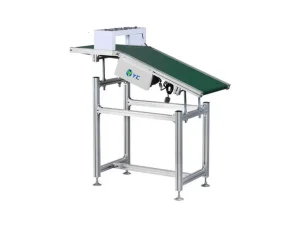
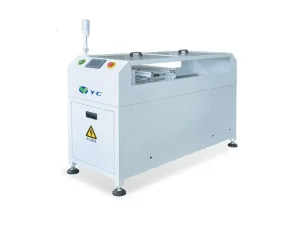
Equipped with specialized inclined heavy-duty intake conveyors, variable-speed forced air-cooling fans, and ultra-smooth stepper or servo-driven pusher arms, contemporary wave soldering unloaders gently receive boards directly from the fingers or pallets of the wave soldering machine. By lowering the board temperature below the alloy's solidus point before placing it into standard ESD buffer magazines, these machines eliminate copper pad lifting, cold solder joints, and component shift.
Integrated top and bottom cross-flow fan arrays rapidly drop PCB surface temperature, stabilizing lead-free solder joints prior to magazine insertion.
Industrial PLC architectures paired with high-torque stepper motors ensure pitch accuracy down to ±0.1mm during magazine rack indexing.
Universal dual-channel hardware handshaking protocol compatible with Panasonic, Fuji, Yamaha, and ITW EAE production ecosystems.
As tier-1 Contract Electronics Manufacturers (CEMs) and Original Design Manufacturers (ODMs) globally pivot toward autonomous manufacturing operations, wave soldering unloaders are undergoing key technological shifts:
Bridging practical engineering experience with high-performance manufacturing equipment.
Shenzhen Yichun Electronic Automation Equipment Co., Ltd., founded in 2013, is a practical SMT production line solution provider and integrator focused on helping electronics manufacturers build stable and efficient manufacturing lines.
We specialize in SMT line planning, equipment integration, installation, and technical support based on real factory production requirements. Our solutions combine reliable SMT equipment with practical engineering experience to deliver cost-effective and easy-to-operate production lines for growing manufacturers.
Our main solutions include reflow ovens, wave soldering systems, SMT production lines, automatic printers, pick-and-place machines, and related peripheral equipment. Rather than focusing only on individual machines, we emphasize complete line configuration, factory layout optimization, and long-term operational stability.
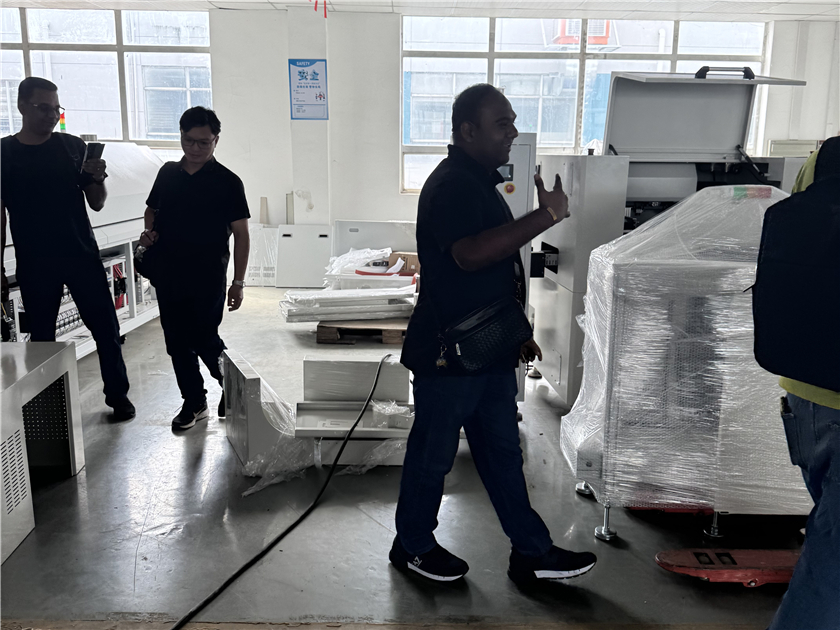
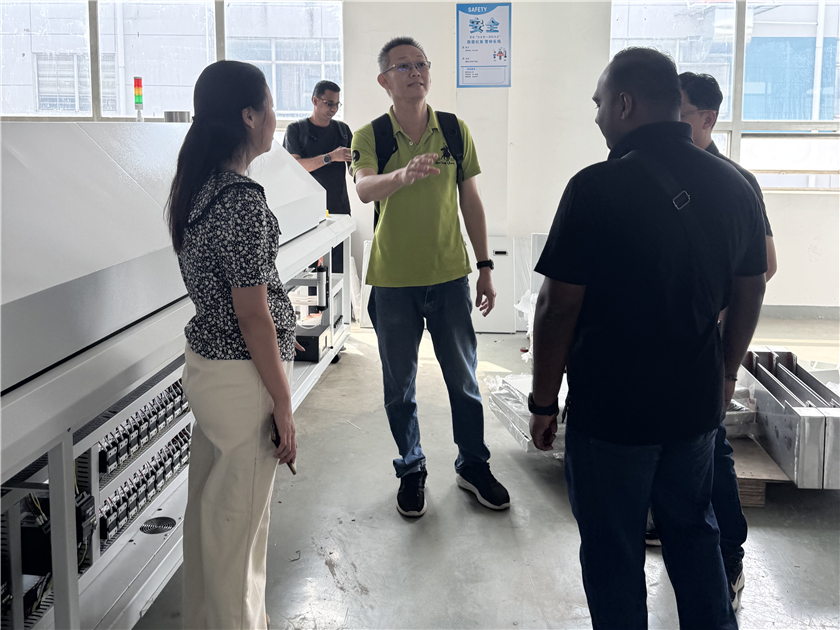
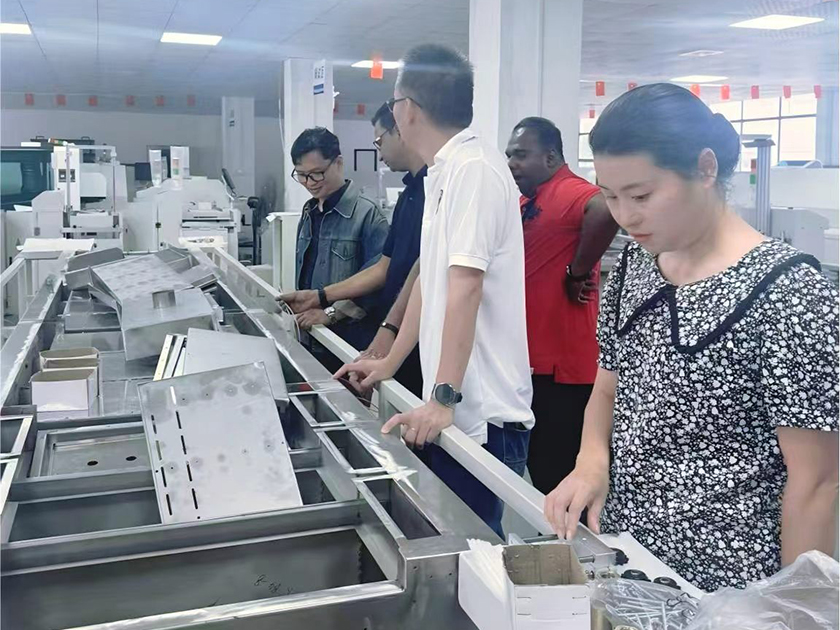
Yichun Electronic operates a demonstration and training showroom used for equipment testing, solution verification, and customer visits, helping clients better understand production processes before implementation.
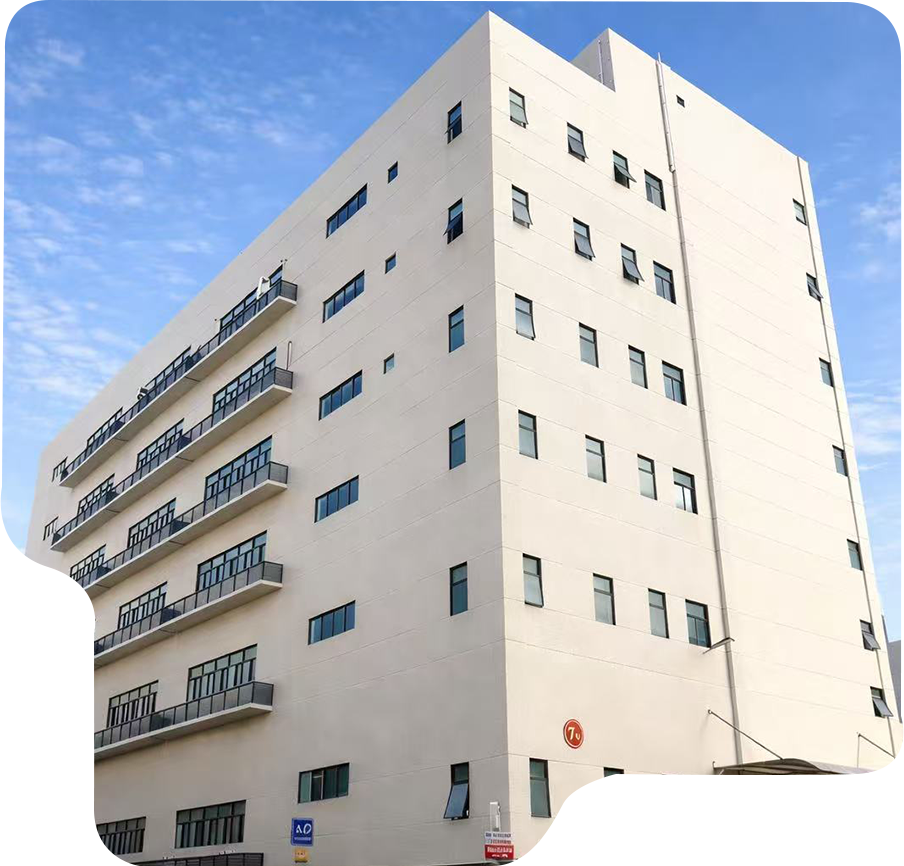
Our solutions are applied in consumer electronics, industrial control, communication products, and automotive electronics. We have supported SMT line projects in regions including Southeast Asia, South Asia, and Eastern Europe, providing installation, technical assistance, and ongoing service support.
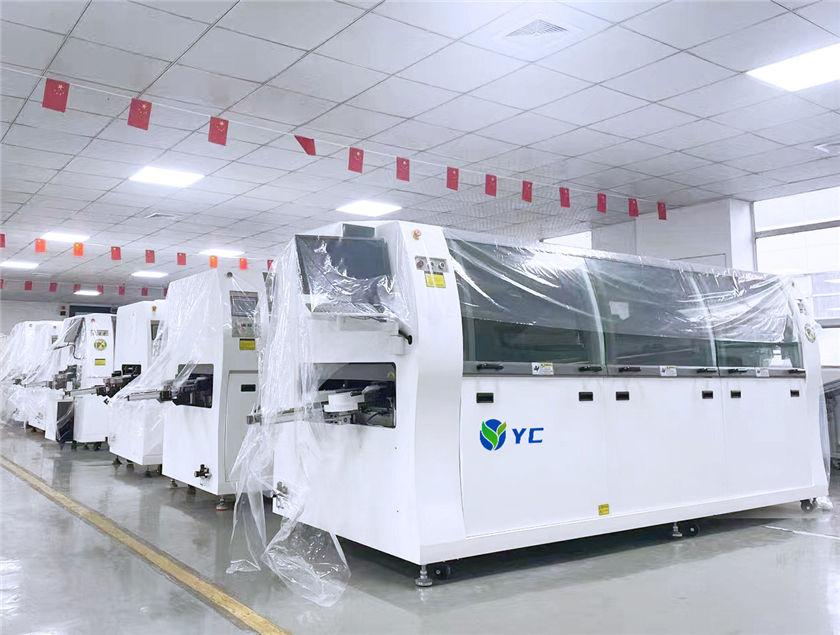
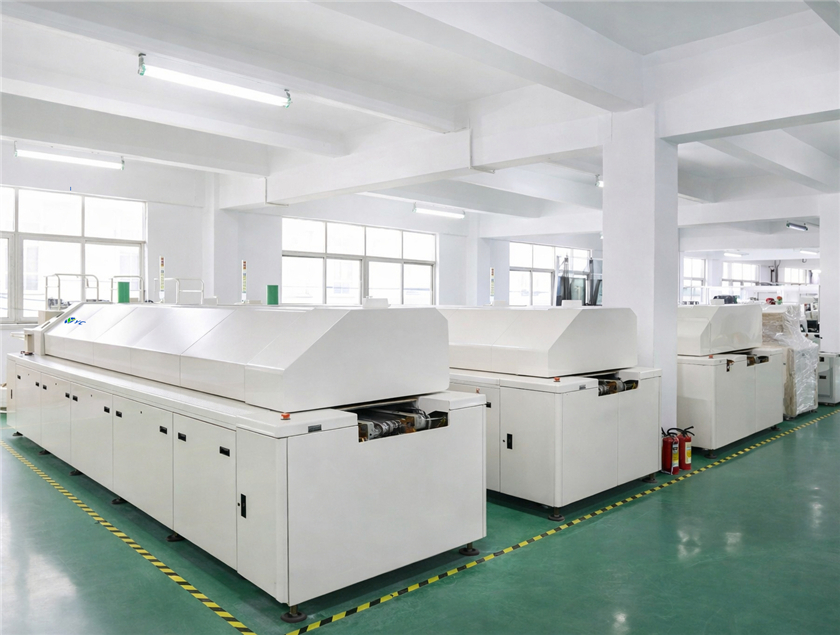
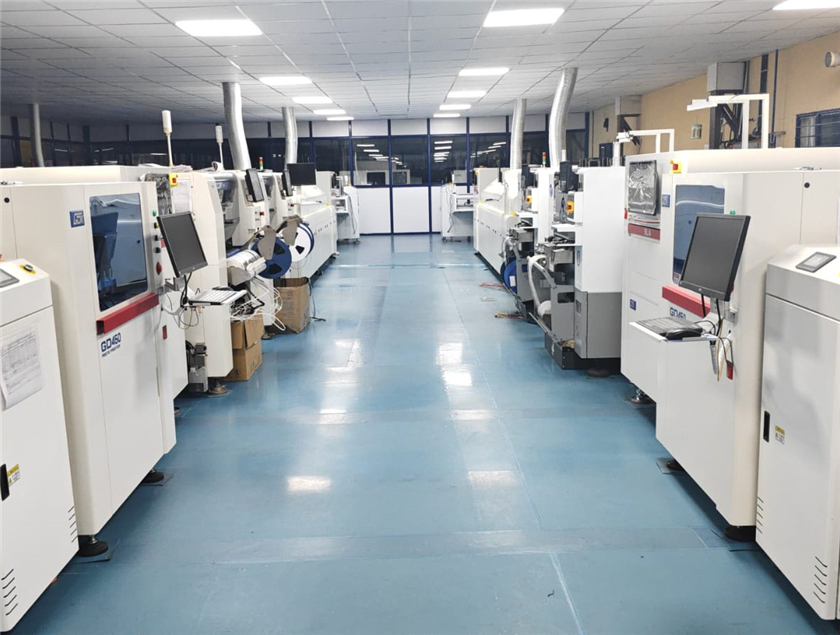
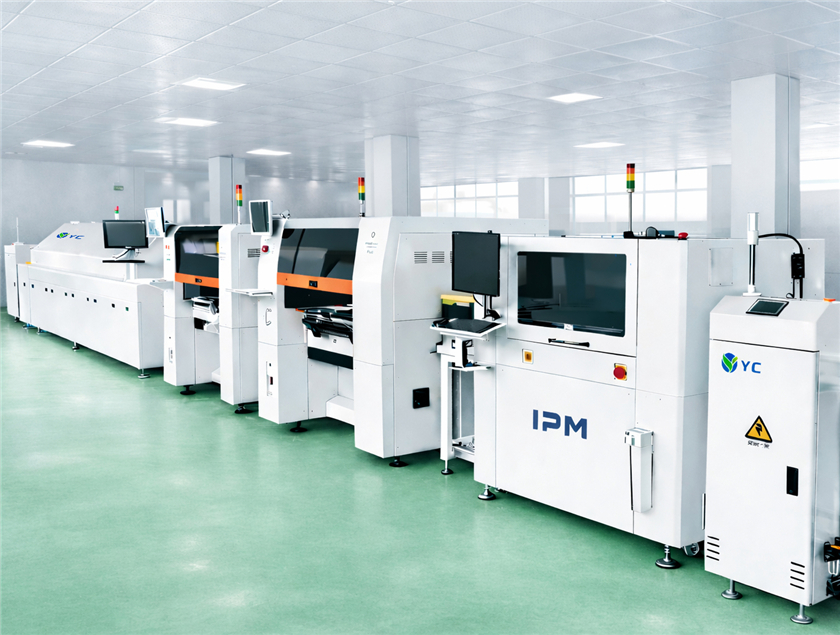
Built upon realistic engineering principles and long-term client support.
To provide practical, stable, and cost-effective SMT automation solutions that help electronics manufacturers improve productivity, maintain consistent product quality, and grow their manufacturing capabilities with confidence.
To become a reliable long-term SMT line integration partner for manufacturers seeking practical solutions, flexible equipment configurations, and dependable engineering support.
We focus on real production needs rather than theoretical configurations. From initial line planning to installation and long-term maintenance, our engineering team provides continuous support throughout the entire manufacturing lifecycle to ensure stable and efficient production.
Key engineering parameters, Total Cost of Ownership (TCO) benchmarks, and supply chain strategies for international procurement officers.
Selecting an OEM supplier or exporter for wave soldering unloaders requires evaluating technical reliability against total lifecycle expenditure. While off-the-shelf conveyors might appear cost-effective initially, uncalibrated mechanical pushers and poor ESD design can result in catastrophic component damage or unscheduled line stoppage.
When sourcing wave soldering unloaders from a verified Chinese factory, procurement teams should audit four primary mechanical and electrical dimensions:
Wave unloader conveyors encounter intense localized radiant heat. Ensure the intake mechanism utilizes heat-resistant stainless steel mesh or specialized carbon-fiber fingers. Dual-point drive belts with torque-limiting clutches prevent belt stretch and board jams during continuous 24/7 operations.
The mechanism responsible for transferring PCBs from the cooling rail into the ESD magazine rack must feature adjustable pneumatic pressure regulators or closed-loop stepper motor control. Force-sensing limit switches prevent the pusher from crushing warped or misaligned PCBs.
Top and bottom pneumatically driven rack clamping units must lock standard rack sizes (e.g., 355 x 320 mm, 460 x 400 mm, 535 x 460 mm) solidly into place. Indexing pitch capability (10mm, 20mm, 30mm, 40mm, or custom steps) ensures tall component clearance without rack collisions.
Modern PLC control systems with color HMI screens allow operators to visually track rack occupancy, detect sensor faults (such as pusher blockage or optical sensor obstruction), and monitor cycle counts for proactive maintenance.
Exporting heavy electronic machinery across international borders demands comprehensive packaging, international compliance, and robust global technical support. Leading exporters like Yichun Electronic implement strict export readiness protocols:
Pioneering edge-AI predictive diagnostics, autonomous AGV docking, and ultra-low carbon footprint automation.
As electronic components continue to shrink and high-mix, low-volume (HMLV) manufacturing becomes the industry standard, wave soldering unloaders are evolving beyond standalone mechanical units into smart, self-optimizing nodes within the factory network.
Vibration and thermal sensors installed on conveyor bearings and pusher drives feed real-time telemetry into edge AI units, predicting belt wear or pneumatic actuator fatigue before equipment failure occurs.
Wave unloaders feature automated magazine exchange systems that wirelessly signal Autonomous Mobile Robots (AMRs) to pick up full buffer racks and replace them with empty units without human intervention.
Intelligent power-saving modes dynamically regulate cooling fan speeds based on PCB thermal signatures, reducing standby electrical consumption by up to 35% across high-volume production facilities.
As electronics manufacturing continues to evolve, Yichun Electronic remains focused on delivering practical SMT line solutions that help manufacturers build reliable and efficient production capabilities. We believe stable equipment, realistic engineering design, and long-term technical support are the foundation of successful manufacturing operations.
Whether customers are setting up a new SMT line or optimizing an existing production process, our team is committed to providing straightforward, dependable solutions tailored to real factory needs. We look forward to building long-term partnerships with manufacturers seeking practical, cost-effective SMT production solutions.
Expert answers to common operational, maintenance, and integration queries regarding wave soldering unloader machinery.
A Wave Soldering Unloader is positioned immediately downstream from a wave soldering machine. Its core functions are to receive high-temperature PCBs safely from the soldering conveyor, cool the boards to solidify solder joints, and automatically load them into ESD buffer magazine racks or transfer them to adjacent inspection conveyors using a pneumatic pusher mechanism, preventing manual handling errors and thermal shock.
Synchronization is achieved using standardized SMEMA 1.2 or IPC-HERMES-9852 communication interfaces. The wave soldering machine sends a "Board Available" signal to the unloader. Upon receiving the signal and ensuring its intake track is clear, the unloader responds with a "Ready to Receive" status, dynamically adjusting its entrance conveyor motor speed to match the wave soldering output speed.
Yes. Yichun wave unloaders feature motor-driven or precision manual lead-screw width adjustments capable of accommodating standard industry magazine dimensions (such as 355×320mm, 460×400mm, and 535×460mm). Custom sizes can also be configured based on specialized production requirements.
Our unloaders incorporate multi-point photoelectric sensor arrays along the conveyor path and pusher stroke. If a PCB is warped or improperly aligned inside the magazine slot, optical sensors detect resistance or misalignment immediately, pausing the pneumatic pusher and sounding an audible light-tower alarm before any mechanical stress is applied to the circuit board.
Lead-free solder alloys require adequate cooling to transition completely from a molten state to a solid crystalline matrix. Inserting uncooled PCBs into tight magazine slots exposes component leads to vibration and physical stress, which can cause micro-cracking inside solder bridges or lead deformation. Integrated high-efficiency fans rapidly lower temperature levels before magazine loading occurs.
Yichun provides end-to-end global technical support, including on-site engineering installation, operator training, standard operating manual supply, and fast-response remote telemetry assistance. Spare parts are standardized using global tier-1 brands (SMC, Omron, Schneider) to ensure local sourcing ease worldwide.
Complementary equipment engineered for seamless line integration, high throughput, and reliable operating stability.
 Yichun Electronic