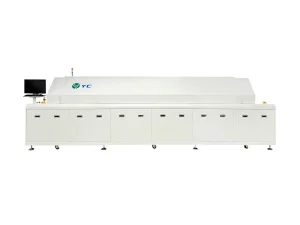
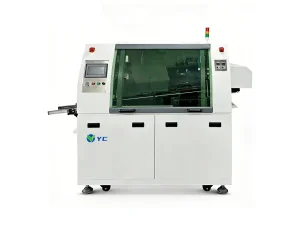
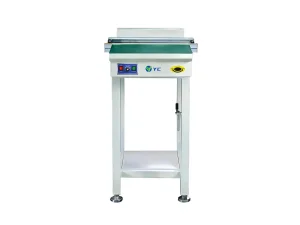
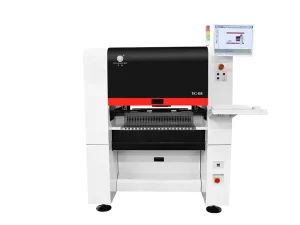
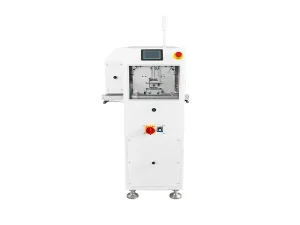
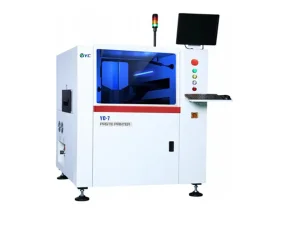
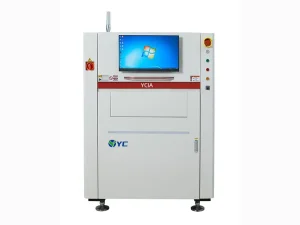
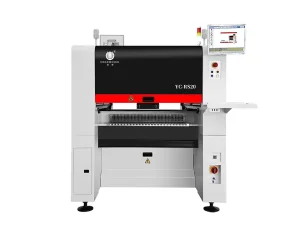
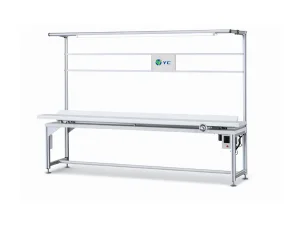
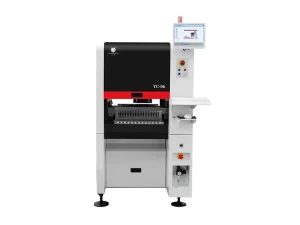
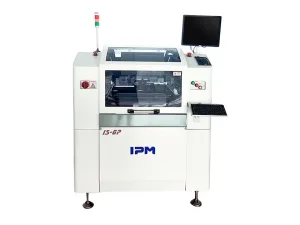
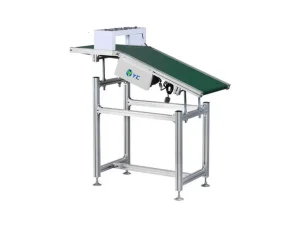
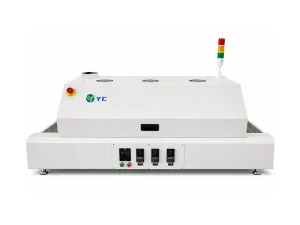
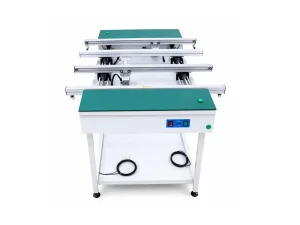
Explore our factory-direct hardware lineup designed for high-yield prototyping and automated mass production.
In modern electronics manufacturing, the demand for compact, cost-effective, yet highly capable surface mount technology (SMT) equipment has exploded. At the epicenter of low-to-medium batch prototyping stands the T962A Reflow Oven—a microprocessor-controlled desktop reflow soldering machine engineered for R&D laboratories, hardware startups, and flexible SMT manufacturing facilities. Selecting a reliable cheap T962a reflow oven manufacturer & factories requires evaluating not just upfront procurement costs, but also thermal stability, internal heating dynamics, software controllability, and long-term chassis durability.
The T962A platform operates on a forced-air micro-convection combined with infrared (IR) heating tube technology. Unlike standard batch ovens, it incorporates a drawer-style heating chamber with a generous working surface (typically up to 400mm × 600mm), allowing multi-board reflow cycles or large single-board processing (such as computer motherboards, IoT gateways, and power inverter assemblies). Understanding how Chinese manufacturing hubs optimize the bill-of-materials (BOM) for these units reveals critical information for international procurement teams.
Integrated micro-controllers store up to 8 predefined thermal profiles (including leaded Sn63/Pb37 and lead-free SAC305 curves), managed via an LCD graphic display and real-time sensor feedback loops.
Combines high-efficiency quartz infrared heating elements with internal air-circulating fans to minimize shadow masking behind tall components like electrolytic capacitors and inductors.
Industrial grade insulation tape and active rear exhaust channels rapidly extract volatile flux vapors during the cooling phase, protecting sensitive IC pads against oxidation.
Thermal Optimization & Firmware Refinement: Original stock T962A units occasionally suffered from localized thermal cold-spots due to single-point thermocouple placement. Leading China SMT OEM manufacturers, such as Shenzhen Yichun Electronic Automation Equipment Co., Ltd., have pioneered internal thermal retrofits. By replacing standard solid-state relays (SSR) with ultra-fast zero-crossing switching units, isolating cold-junction sensor compensation, and applying high-density ceramic fiber insulation, factory-optimized T962A units achieve thermal gradient uniformity within ±3°C across the entire heating tray.
Why do overseas procurement managers and hardware engineers turn to Chinese suppliers when sourcing budget-friendly SMT assembly machinery? The answer lies in the concentrated industrial cluster located within Guangdong Province—specifically Shenzhen and Dongguan. As the world's electronics assembly epicenter, this cluster delivers unmatched supply chain synergy.
By leveraging direct access to sheet metal fabrication, quartz infrared tube manufacturers, custom PCB control board assembly plants, and wire harness factories, Chinese SMT equipment builders reduce manufacturing overhead by up to 60% compared to Western counterparts.
Factory engineers refine board chassis layout, upgrade cooling fan silent bearings, and re-engineer firmware parameters continuously based on real-time feedback from high-volume domestic electronics assembly workshops.
Proximity to Yantian and Shekou ports allows fast sea freight container loading, combined with standardized export packaging (reinforced plywood boxes with shock-absorbing PE foam) to prevent transit damage.
When structuring your electronics manufacturing line, choosing between a desktop batch reflow oven like the T962A and an industrial continuous mesh-conveyor multi-zone reflow system depends on throughput targets, floor space, board complexity, and capital expenditure (CAPEX).
| Performance Specification | Desktop T962A Reflow Oven | 4-Zone / 6-Zone Desktop Oven | Industrial 8-Zone Reflow System |
|---|---|---|---|
| Heating Methodology | IR + Forced Air Convection (Batch) | Hot Air Convection (Continuous Rail/Mesh) | Full Forced Hot Air Convection + Dual Nitrogen Option |
| Max Board Size (L × W) | 400mm × 600mm (Tray Batch) | 300mm Width Unlimited Length | 450mm – 600mm Dual Lane Conveyor |
| Thermal Zone Control | 1 Chamber / Micro-Controller Curves | 3 – 6 Top/Bottom Independent Zones | 8 Top / 8 Bottom Heating Zones + 2 Cooling Zones |
| Power Consumption | 1.5 kW – 3.3 kW (Peak) | 4.5 kW – 8.0 kW | 12 kW – 28 kW (Continuous Running) |
| Throughput Capacity (UPH) | 15 – 30 PCBs / Hour (Prototyping) | 80 – 150 PCBs / Hour (Small Batch) | 300 – 600+ PCBs / Hour (High-Mass Volume) |
| Optimal Application Scenario | R&D Labs, Makerspaces, Repair Centers | Low-Volume High-Mix SMT Production Lines | Tier-1 Automotive, Mobile & Consumer SMT Factories |
| CAPEX Investment Level | Very Low ($) | Moderate ($$) | Enterprise Level ($$$$) |
Procuring low-cost electronic assembly machinery overseas involves mandatory compliance and safety verification. B2B procurement professionals must ensure that factory equipment satisfies local safety directives before deployment in commercial or educational premises.
Must comply with European Low Voltage Directive (LVD 2014/35/EU) and Electromagnetic Compatibility (EMC Directive 2014/30/EU), utilizing shielded internal wiring and grounding terminals.
Oven heating elements must comfortably maintain 245°C – 260°C peak reflow temperatures required for lead-free solder alloys like Sn96.5/Ag3.0/Cu0.5 without warping internal tray components.
Factory wire gauges (14AWG/12AWG high-temperature silicone wire), thermal fuse cutoffs, and chassis grounding points prevent electrical shorts and thermal runaway incidents.
The operational flexibility of the T962A reflow oven makes it an asset across diverse technological sectors:
Engineers rapidly iterate smart sensor PCBs containing 0201 passives, QFN microcontrollers, and fine-pitch BGA modules without waiting for external EMS turnaround cycles.
Higher education STEM departments utilize T962A desktop units to teach students surface mount assembly fundamentals, thermal profiling concepts, and IPC soldering standards.
Tier-1 automotive sub-system R&D teams fabricate small runs of ECU sensor nodes, power conversion boards, and LED drive modules under tight confidentiality parameters.
The electronics manufacturing market is transitioning toward environment-friendly low-temperature solders (such as Bismuth-based Sn-Bi alloys melting around 138°C) alongside traditional SAC305 processes. Modern T962A reflow equipment manufacturers are integrating precise multi-stage temperature ramps to accommodate non-linear flux activation curves.
Furthermore, the integration of digital K-type thermocouple telemetry allows external PC software connectivity. Hardware designers can record precise real-time temperature profiles from board-mounted sensors, log reflow data for quality control audits, and fine-tune peak dwell times to prevent thermal damage to fragile IC packages.
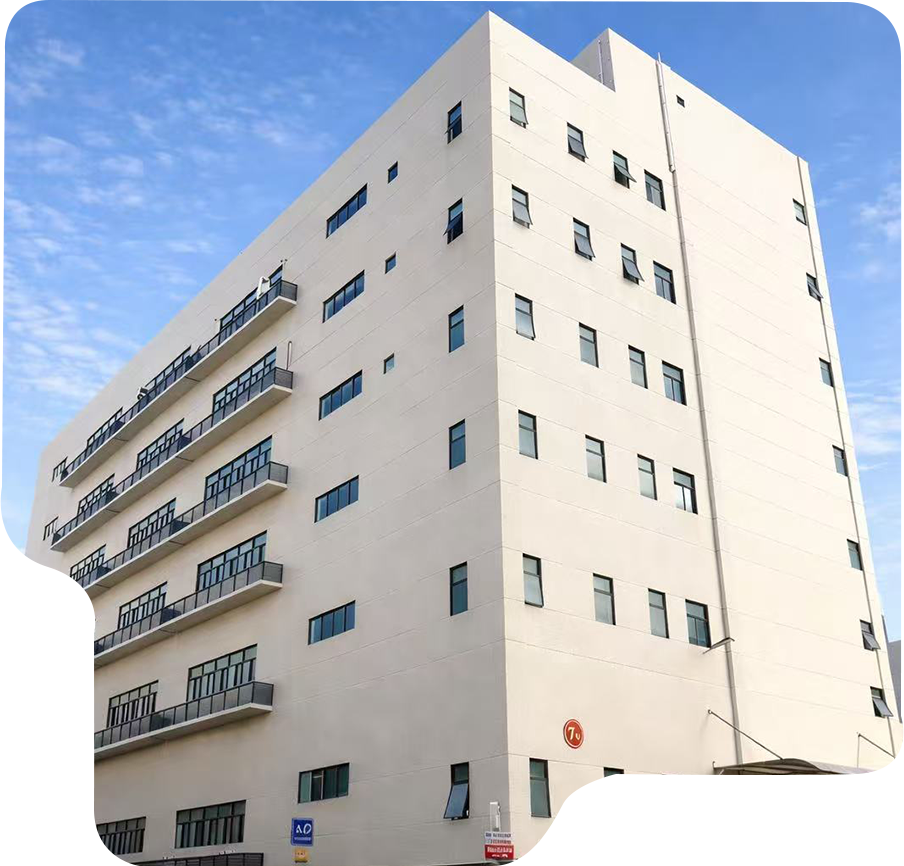
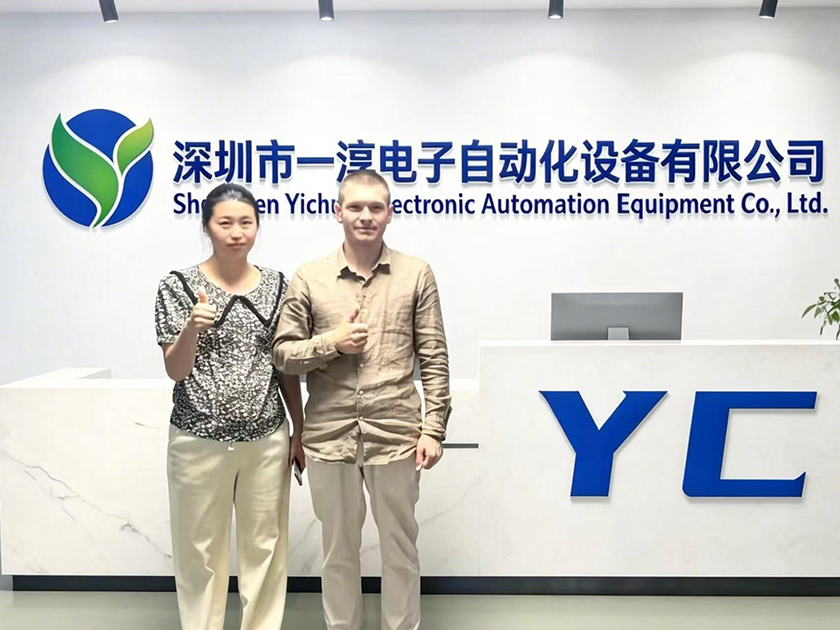
Founded in 2013, Shenzhen Yichun Electronic Automation Equipment Co., Ltd. is a practical SMT production line solution provider and integrator focused on helping electronics manufacturers build stable and efficient manufacturing lines.
We specialize in SMT line planning, equipment integration, installation, and technical support based on real factory production requirements. Our solutions combine reliable SMT equipment with practical engineering experience to deliver cost-effective and easy-to-operate production lines for growing manufacturers.
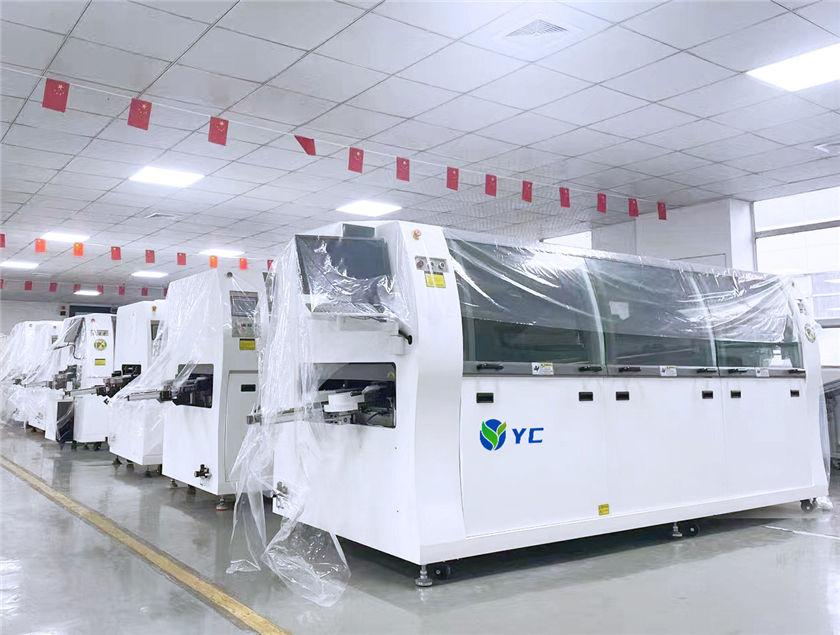
Our main solutions include reflow ovens, wave soldering systems, SMT production lines, automatic printers, pick-and-place machines, and related peripheral equipment. Rather than focusing only on individual machines, we emphasize complete line configuration, factory layout optimization, and long-term operational stability.
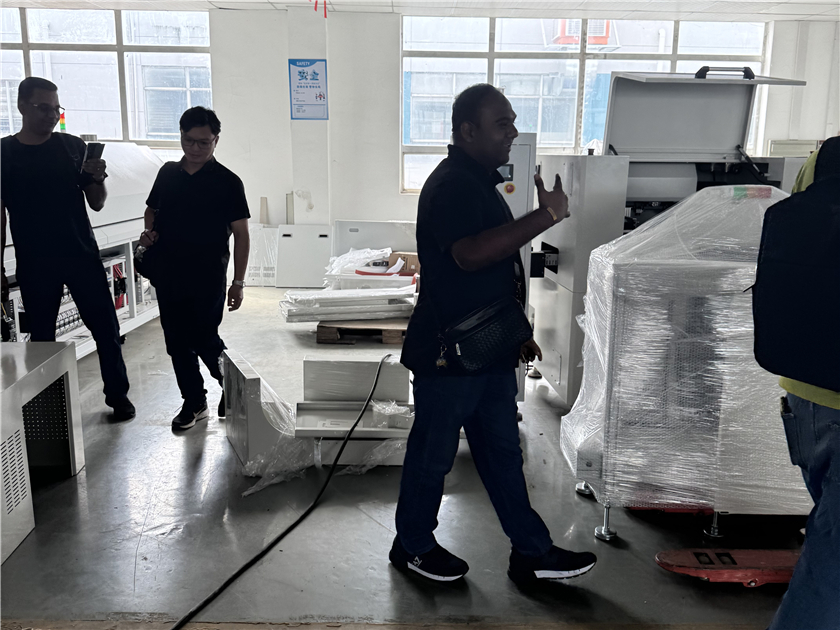
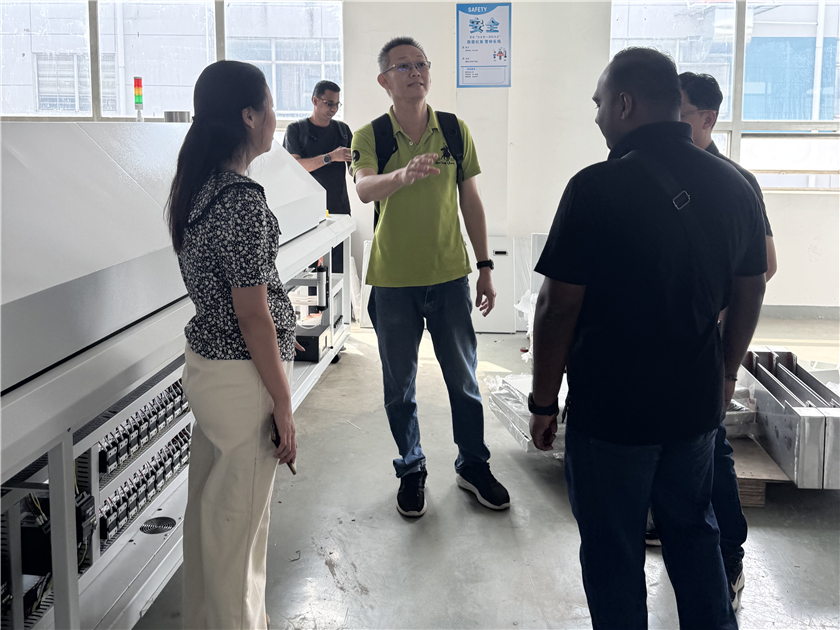
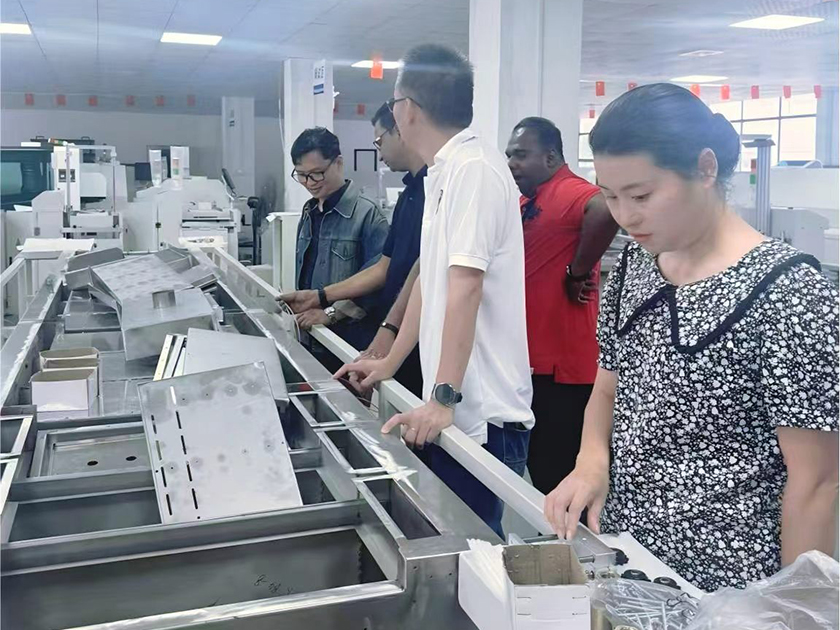
Yichun Electronic operates a demonstration and training showroom used for equipment testing, solution verification, and customer visits, helping clients better understand production processes before implementation.
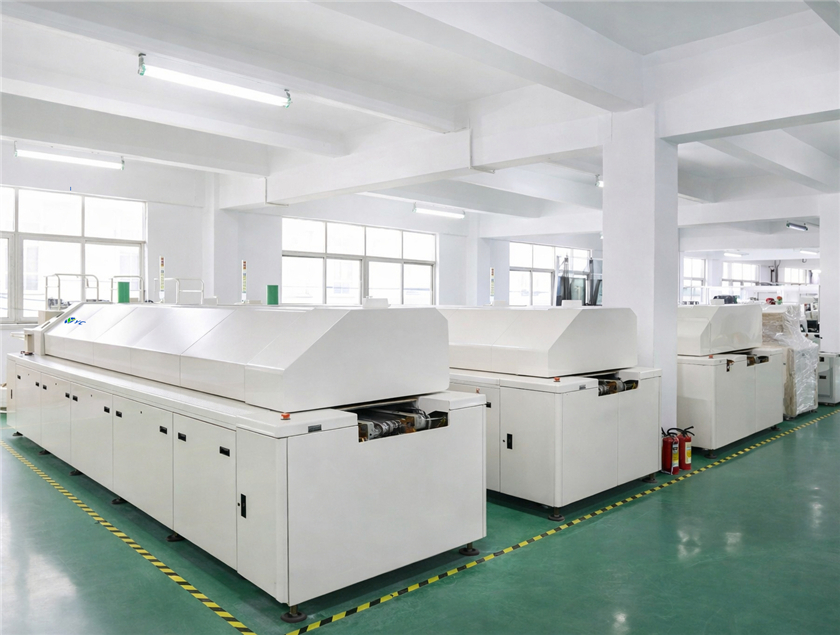
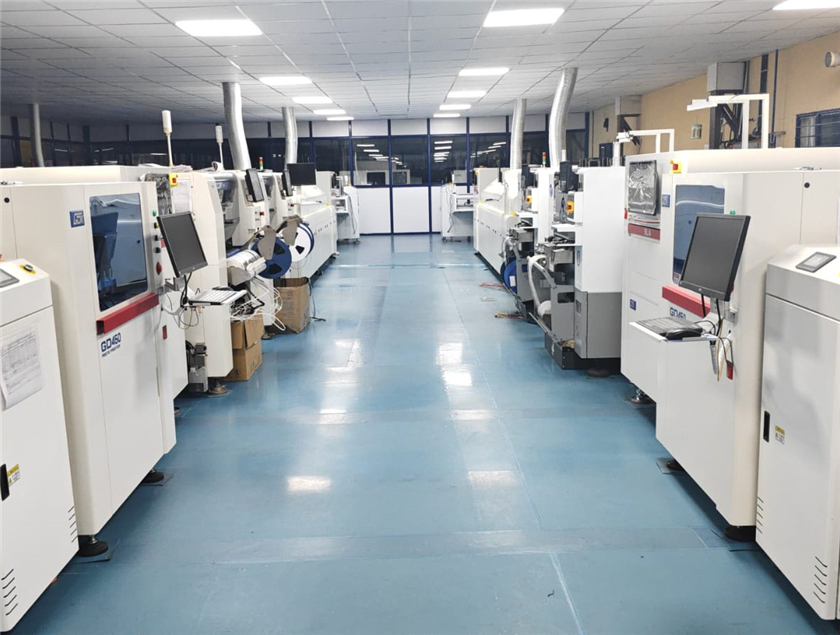
To provide practical, stable, and cost-effective SMT automation solutions that help electronics manufacturers improve productivity, maintain consistent product quality, and grow their manufacturing capabilities with confidence.
To become a reliable long-term SMT line integration partner for manufacturers seeking practical solutions, flexible equipment configurations, and dependable engineering support.
We focus on real production needs rather than theoretical configurations. From initial line planning to installation and long-term maintenance, our engineering team provides continuous support throughout the entire manufacturing lifecycle.
Technical and procurement answers directly from our senior SMT engineering team.
Discover our comprehensive range of high-speed pick and place systems, SPI units, and automatic handling conveyors.
 Yichun Electronic