High-precision SMT pick and place machinery, 10-zone lead-free reflow ovens, automated DIP wave soldering equipment, and inline board handling solutions.
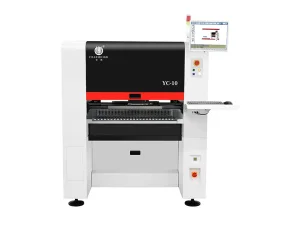
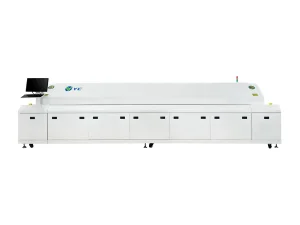
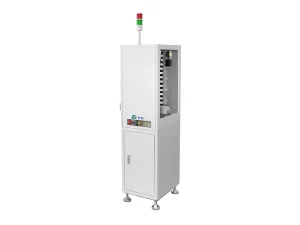
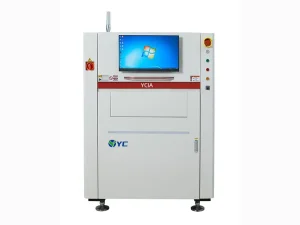
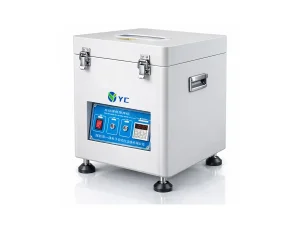
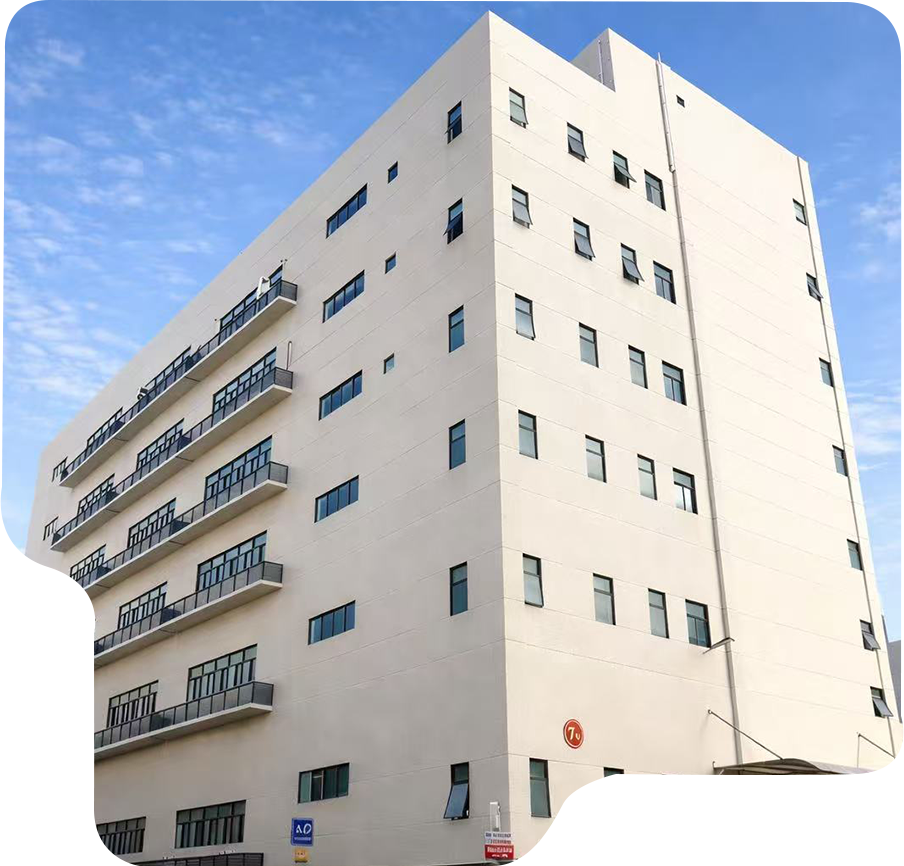
Founded in 2013, Shenzhen Yichun Electronic Automation Equipment Co., Ltd. has emerged as a premier turn-key Surface Mount Technology (SMT) and Dual In-line Package (DIP) production line integration engineering provider. Operating at the epicenter of China's high-tech manufacturing corridor in Shenzhen, Yichun bridges the gap between hardware engineering excellence and scalable factory operation.
Rather than simply supplying isolated equipment, Yichun delivers holistic manufacturing ecosystems tailored to global OEM, ODM, and EMS tier-suppliers. Our core focus centers on engineering long-term thermal stability, optimizing Delta T (ΔT) across dense multi-layer printed circuit board assemblies (PCBAs), and maximizing First-Pass Yield (FPY) across complex electronic assemblies.
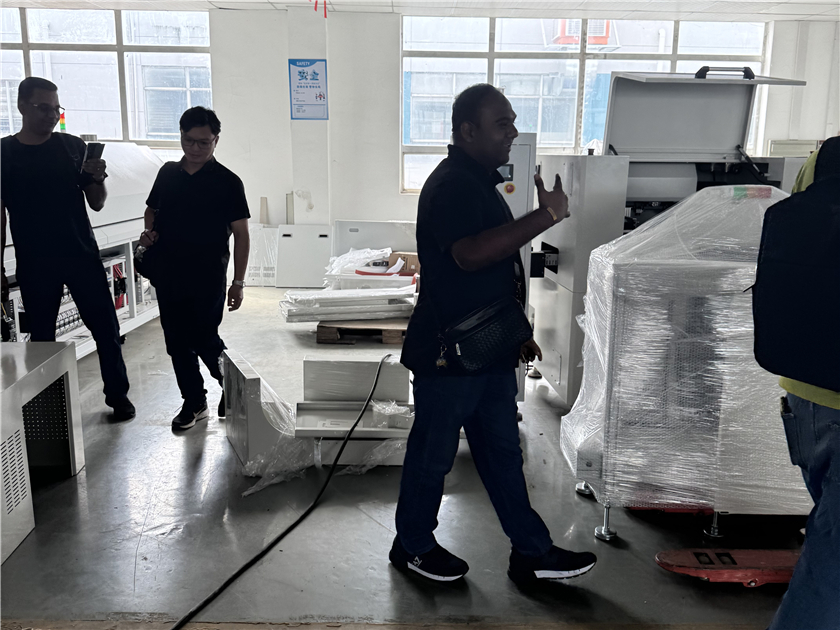
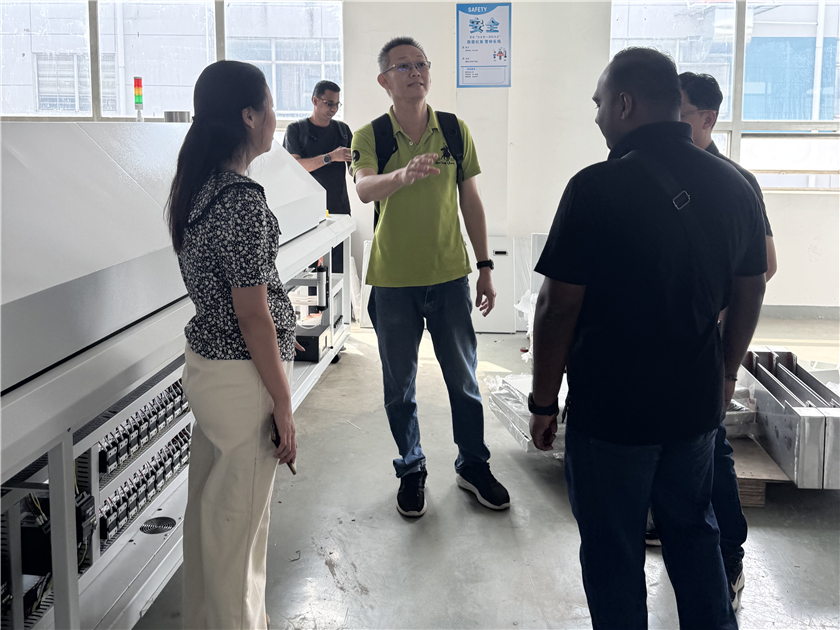
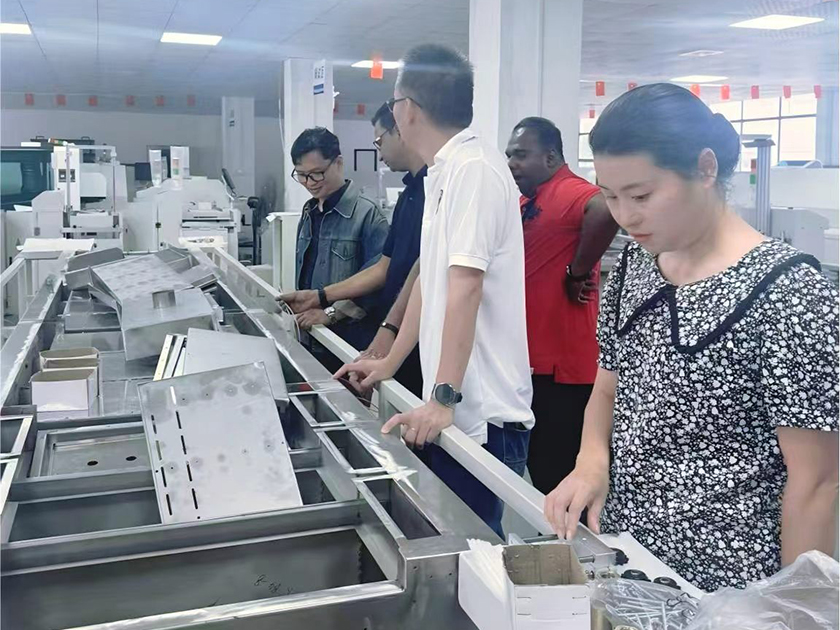
With dedicated equipment testing facilities, dynamic showroom verification centers, and an international technical dispatch network, Yichun supports global manufacturers across Southeast Asia, South Asia, Eastern Europe, and the Americas in establishing reliable, lead-free, IPC-A-610 Class 3 compliant manufacturing capabilities.
Analyzing the structural shifts in global electronics assembly, thermal engineering innovations, and compliance requirements facing international buyers.
The global enforcement of RoHS 3 and REACH regulations has mandated lead-free solder alloys such as SAC305 and SAC0307. These materials exhibit higher liquidus temperatures (217°C–221°C) and narrower process windows compared to legacy Sn63Pb37 solders. Chinese manufacturers lead the market by engineering multi-zone (8 to 12 heating zones) forced convection reflow ovens capable of maintain strict ΔT control without scorching heat-sensitive components like micro-BGAs and fine-pitch QFPs.
High-reliability sectors—including automotive power electronics (EV inverters), aerospace avionics, and 5G telecommunication infrastructure—demand ultra-low voiding rates under 5% (IPC-A-610 Class 3). Modern Chinese reflow systems incorporate integrated vacuum chambers within the liquidus peak zone, drawing out trapped flux gasses and micro-bubbles before solder solidification to achieve voiding levels under 1%.
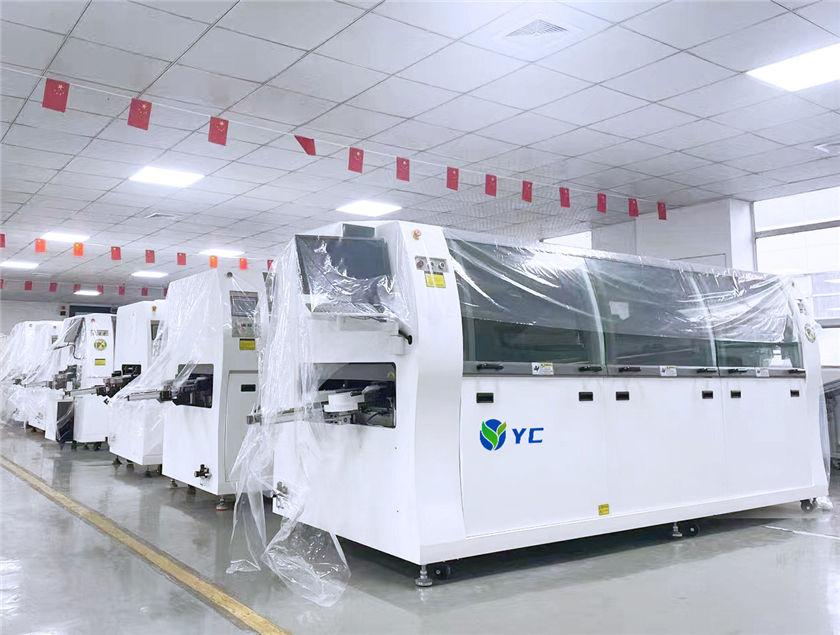
For mixed-technology boards containing dense SMT layouts alongside heavy through-hole connectors, conventional wave soldering risks bridging and flux spatter. Advanced Chinese wave soldering systems feature dual-wave turbulent/laminar pot dynamics, nitrogen inertization atmospheres (<100 PPM O2 content), and precision electromagnetic pumps that minimize dross formation by up to 70% while guaranteeing 100% barrel fill.
Understanding the critical mechanical and thermodynamic parameters that dictate zero-defect soldering performance.
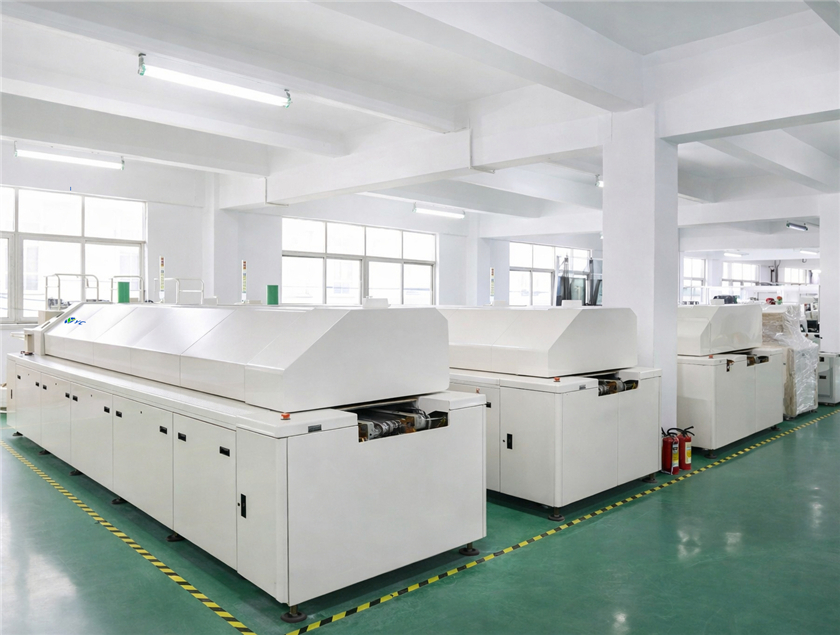
In modern SMT reflow ovens, thermal profile execution is governed by four mandatory zones: Preheating, Thermal Soak, Reflow (Peak), and Controlled Cooling. Yichun’s 10-zone reflow configurations utilize micro-recirculation forced hot air blowers, engineered to maintain uniform convection transfer efficiency across multi-layer PCBs exceeding 3.2mm in thickness.
By optimizing the thermal transfer coefficient ($h$), our heating modules ensure that large metallic thermal sinks (such as power inductors or shielded modules) reach solder liquidus state simultaneously with ultra-small 0201 or 01005 passive chips. This eliminates thermal gradient stresses, preventing micro-cracking, tombstoning, and pad de-lamination.
| Thermal & Mechanical Parameter | Standard SMT Reflow Oven | Yichun Advanced 10-Zone Reflow System | Engineering Impact & Yield Benefit |
|---|---|---|---|
| Heating Zone Count | 6 to 8 Heating Zones | 10 Upper / 10 Lower Independent Zones | Ultra-smooth ramp-up slope; eliminates component thermal shock. |
| Temperature Deviation (ΔT) | ±2.5°C across PCB plane | ≤±1.5°C planar uniform convection | Prevents cold joints and head-in-pillow (HiP) BGA defects. |
| Cooling Gradient Control | Single-stage passive cooling | Dual-zone forced air/chiller controlled gradient | Refines solder grain micro-structure for superior tensile strength. |
| Nitrogen Consumption | 22 - 28 m³/hr (Standard N2) | 12 - 16 m³/hr (Sealed Chamber Design) | Reduces operational cost while maintaining <100 PPM O2 atmosphere. |
| Conveyor System Stability | Chain drive with single rail | Dual-rail motorized width control + Mesh belt | Enables dual-lane asynchronous processing for 200% capacity. |
From raw PCB loading to 3D Solder Paste Inspection, ultra-high-speed component placement, inline reflow, and automated wave soldering.
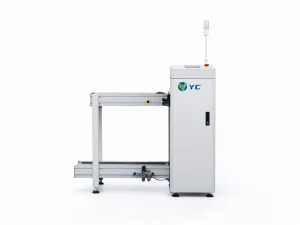
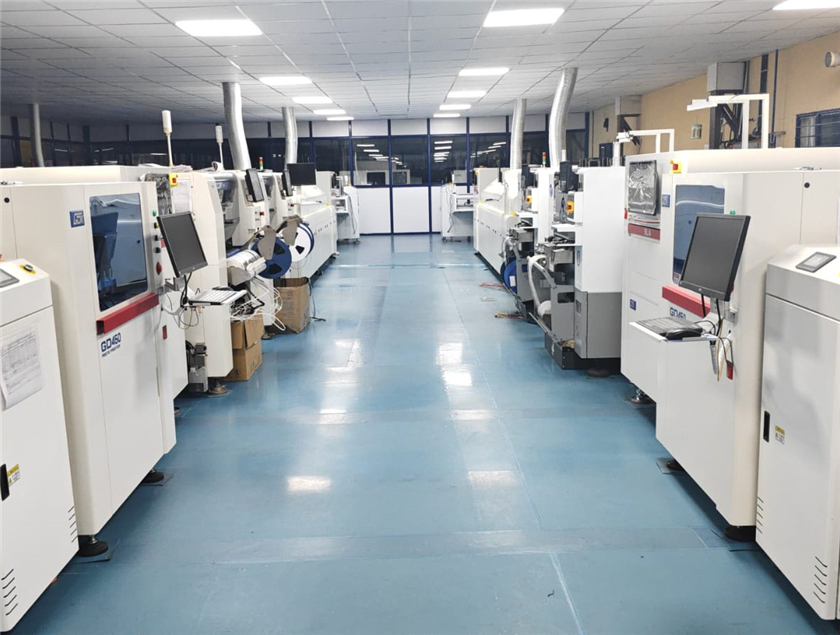
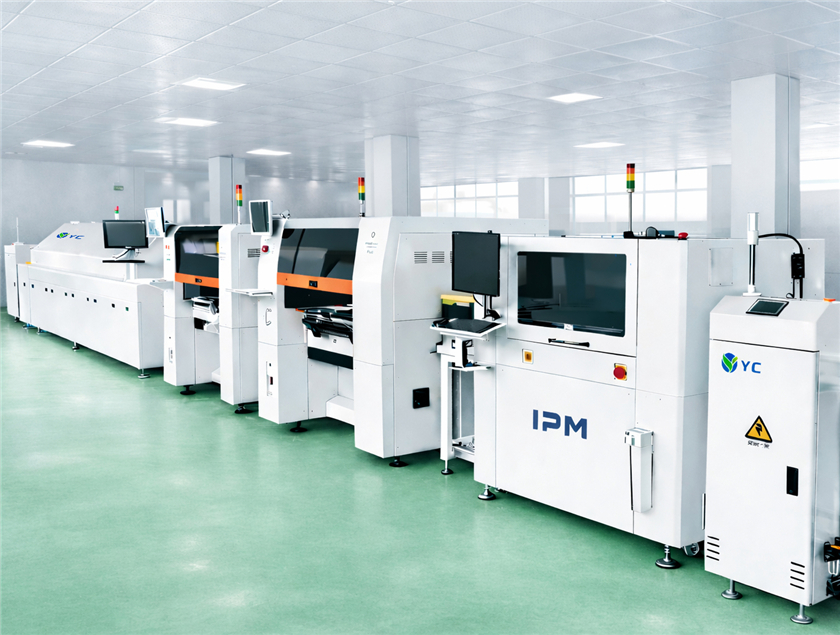
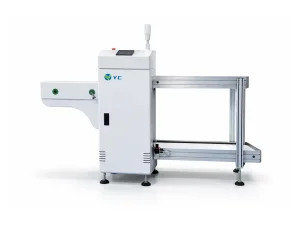
Production line efficiency begins with seamless board loading. Yichun’s automated PCB Loaders (YC-280WX / YC-350WX series) feed unpopulated PCBs into high-precision solder paste printers. Integrated 3D Solder Paste Inspection (SPI) immediately evaluates paste volume, height, area, and bridging before component placement, preventing up to 70% of downstream assembly defects.
Utilizing multi-head modular pick-and-place systems capable of real-world throughput speeds up to 42,000 CPH, Yichun placement engines accommodate components ranging from micro 0201 passives up to 45mm x 45mm fine-pitch ICs and BGA arrays. High-resolution vision recognition guarantees mounting accuracy within ±0.03mm.
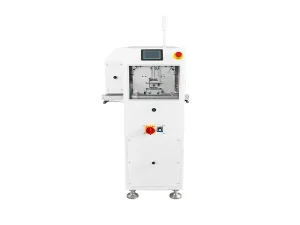
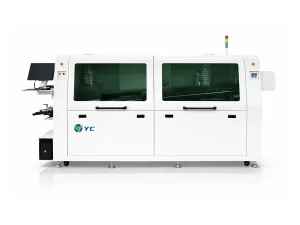
Following reflow, boards requiring mechanical connectors transit to DIP manual assembly lines or selective insertion stations, culminating in lead-free wave soldering (YC 300 series). Finally, aqueous PCB Cleaning Equipment (YC-460CL) removes ionic contaminants and flux residues, ensuring insulation resistance compliance for mission-critical electronics.
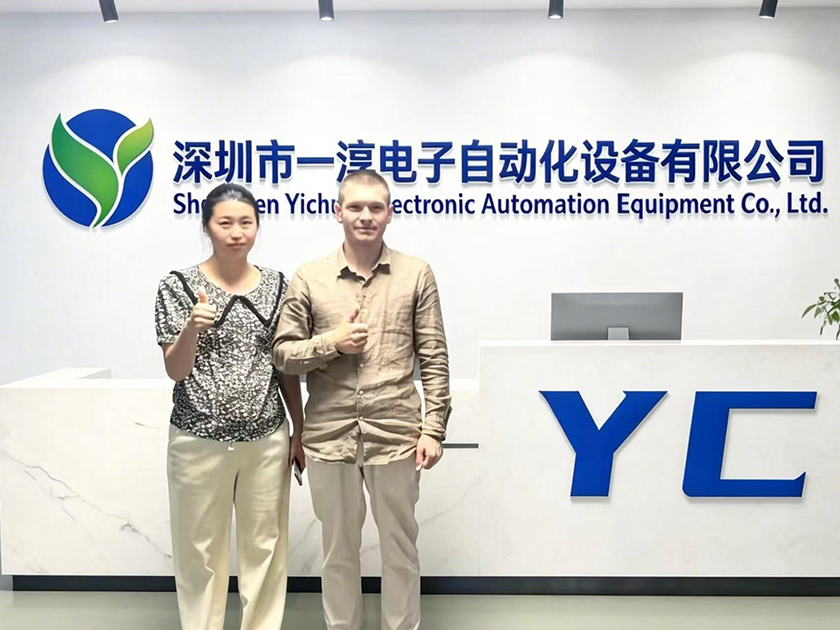
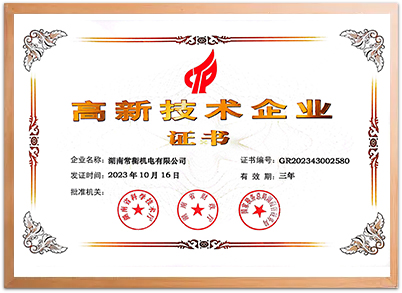
Mission, Vision, and Engineering Rigor underpinning Yichun's reputation across international SMT markets.
To provide practical, stable, and cost-effective SMT automation solutions that help electronics manufacturers improve productivity, maintain consistent product quality, and grow their manufacturing capabilities with confidence.
To become a reliable long-term SMT line integration partner for manufacturers seeking practical solutions, flexible equipment configurations, and dependable engineering support worldwide.
We focus on real production needs rather than theoretical configurations. From initial line layout optimization to on-site commissioning and staff training, our engineers ensure seamless production lifecycle continuity.
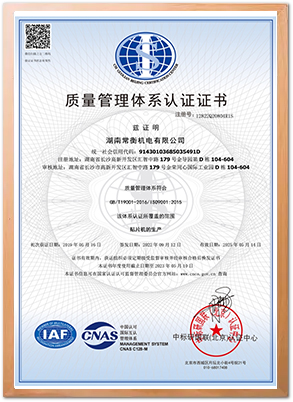
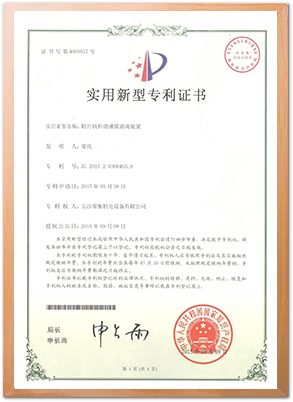
The evolution of Chinese reflow and wave soldering technology toward autonomous Industry 4.0 integration.
Next-generation reflow systems incorporate real-time thermocouple arrays integrated directly into conveyor rails. Machine learning algorithms continuously dynamically adjust zone blower speeds and heater power output to compensate for ambient factory temperature fluctuations, ensuring identical thermal profiles across 24/7 production shifts.
Modern Chinese SMT machinery fully supports IPC-CFX (Connected Factory Exchange) and IPC-HERMES-9852 protocols. This allows seamless machine-to-machine (M2M) communication across the line, enabling SPI units to automatically push offset corrections to solder paste printers and pick-and-place systems without human intervention.
Integrated vibration sensors on convection blowers and thermal imaging of heating elements feed operational data into cloud analytics platforms. Maintenance engineers receive predictive alerts prior to bearing failures, while smart idle modes drop energy consumption by 45% during line changeovers.
Addressing critical engineering queries regarding reflow zone selection, wave soldering flux management, and overseas technical support.
A 10-zone reflow oven provides a longer thermal processing tunnel, allowing for precise control of the temperature ramp-up, soak, peak reflow, and cooling stages at higher conveyor belt speeds. For lead-free alloys (like SAC305) requiring peak temperatures around 245°C, the additional heating zones prevent thermal shock to sensitive components and minimize the Delta T (ΔT ≤ ±1.5°C) across complex, high-density PCBs containing mixed thermal masses.
Nitrogen inertization reduces oxygen concentrations within the heating chamber to below 100–500 PPM. By displacing atmospheric oxygen, nitrogen prevents solder alloy oxidation, enhances metal wetting dynamics, reduces flux consumption, and significantly decreases dross formation in wave soldering pots by up to 70%, directly reducing maintenance downtime and material cost.
Yes. All Yichun equipment—including reflow ovens, wave solder units, board loaders/unloaders, SPI, and pick-and-place machinery—is designed with standard SMEMA mechanical interfaces and compliant hardware communication protocols. Our engineering team can configure custom conveyor heights, rail widths, and signal handshakes to integrate smoothly into your current production line setup.
Standard forced-convection 10-zone reflow ovens achieve solder voiding rates between 8% and 15%, fully compliant with IPC-A-610 Class 2 standards. For Class 3 automotive or high-reliability applications, Yichun's vacuum-assisted reflow configurations reduce voiding ratios to under 1% by evacuating gas bubbles during the liquidus phase before solder joint cooling.
Yichun provides comprehensive engineering support, including on-site machine setup, line balance optimization, thermal profiling, and operator training across Southeast Asia, South Asia, Eastern Europe, and Latin America. Additionally, our remote technical response desk provides 24/7 troubleshooting, remote software diagnostics, and rapid spare parts dispatch.
The YC-460CL utilizes high-pressure multi-stage aqueous spray-in-air technology combined with continuous inline resistivity monitoring. It effectively dissolves and removes ionic residues, organic flux, and microscopic particles from beneath low-standoff components (such as flip-chips and QFNs), ensuring compliance with IPC-TM-650 cleanliness standards.
Explore our full line of reflow ovens, wave soldering systems, automated loaders, pick and place equipment, and peripheral automation machinery.
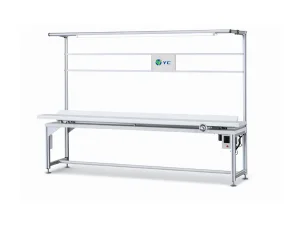
 Yichun Electronic