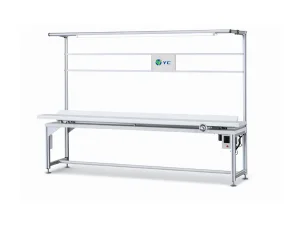
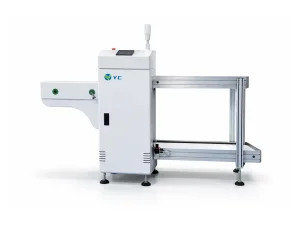
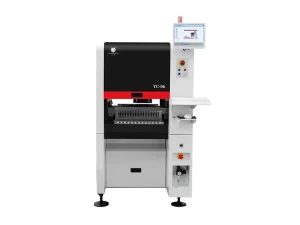
Industrial-grade high-speed pick and place machines, wave soldering systems, 3D SPI, and automated PCB handlers for modern lead-free SMT lines.
Engineering Insights into Lead-Free Thermal Metallurgy, Process Windows, and Zero-Defect Manufacturing Guidelines.
The electronics manufacturing industry has undergone a radical transformation over the last two decades, driven primarily by environmental mandates such as the European Union’s RoHS (Restriction of Hazardous Substances) and REACH directives. The global mandate eliminating lead ($Pb$) from surface-mount assembly forced Tier-1 OEMs and Electronics Manufacturing Services (EMS) conglomerates to transition completely to lead-free solder alloys—most notably SAC305 ($\text{Sn}96.5\% / \text{Ag}3.0\% / \text{Cu}0.5\%$), low-silver SAC0307, and specialized bismuth-enhanced Sn-Bi-Ag low-temperature alloys.
Traditional eutectic Sn63Pb37 melts at $183^\circ\text{C}$, allowing reflow peak temperatures of $210-220^\circ\text{C}$. Lead-free SAC305, however, features a liquidus temperature of $217^\circ\text{C}$, demanding peak reflow temperatures between $235^\circ\text{C}$ and $250^\circ\text{C}$. This leaves a extremely narrow process window of barely $15-20^\circ\text{C}$ before component substrate degradation occurs.
Modern High-Density Interconnect (HDI) PCBs combine ultra-lightweight 01005 passives alongside massive multi-layer copper power planes and dense BGA/QFN packages. Balancing heat transfer across vastly disparate thermal masses without burning small components or cold-soldering large heat sinks requires micro-managed forced convection heating zones.
Elevated reflow processing speeds up the formation of $Cu_6Sn_5$ and $Cu_3Sn$ intermetallic layers at the solder interface. Precision thermal control during the liquidus phase (TAL) prevents brittle IMC growth, preserving long-term structural solder joint integrity against mechanical shock and vibration.
To operate at scale, a famous large-scale lead-free reflow soldering factory must deploy thermal architecture capable of maintaining minimal across-board delta temperatures ($\Delta T \le 1.5-2.0^\circ\text{C}$). Achieving this consistency in continuous $24/7$ mass manufacturing environments requires precise multi-zone thermal dynamics, advanced blower wheel aerodynamics, dynamic dual-rail conveyor synchronized transfers, and real-time oxygen management under Nitrogen ($N_2$) blanketing environments.
Key Industry Guideline: According to IPC-7530A (Guidelines for Temperature Profiling for Mass Soldering Processes), maintaining peak exposure temperatures under $245^\circ\text{C}$ while guaranteeing a Time Above Liquidus (TAL) of 45–75 seconds is paramount to mitigating package delamination, popcorning, and internal wire-bond shear in active silicon dies.
Analyzing the Operational Scalability, Ecosystem Density, and Engineering Agility of China's SMT Automation Hubs.
Global procurement teams evaluating high-volume SMT machinery manufacturers and automated production line integrators consistently single out China—specifically the Greater Bay Area (Shenzhen-Dongguan industrial belt)—as the world's premier hardware innovation engine. The dominance of Chinese lead-free reflow soldering equipment manufacturers is rooted in distinct operational and economic moats:
Within a 50-kilometer radius of Shenzhen, machine builders have immediate access to high-grade precision machining centers, custom nickel-chromium heating element foundries, high-temp ceramic insulation suppliers, and industrial PLC software engineers. This physical proximity cuts product R&D iteration cycles from months to days.
Western equipment brands often charge premium markups for proprietary hardware architectures. Chinese automation factories leverage massive domestic consumption scale to offer high-zone lead-free reflow ovens equipped with imported German blower motors, Japanese OMRON controllers, and Swiss sensors at a fraction of the total capital expenditure (CapEx).
Shenzhen Yichun Electronic Automation Equipment Co., Ltd., founded in 2013, is a practical SMT production line solution provider and integrator focused on helping electronics manufacturers build stable and efficient manufacturing lines.
We specialize in SMT line planning, equipment integration, installation, and technical support based on real factory production requirements. Our solutions combine reliable SMT equipment with practical engineering experience to deliver cost-effective and easy-to-operate production lines for growing manufacturers.
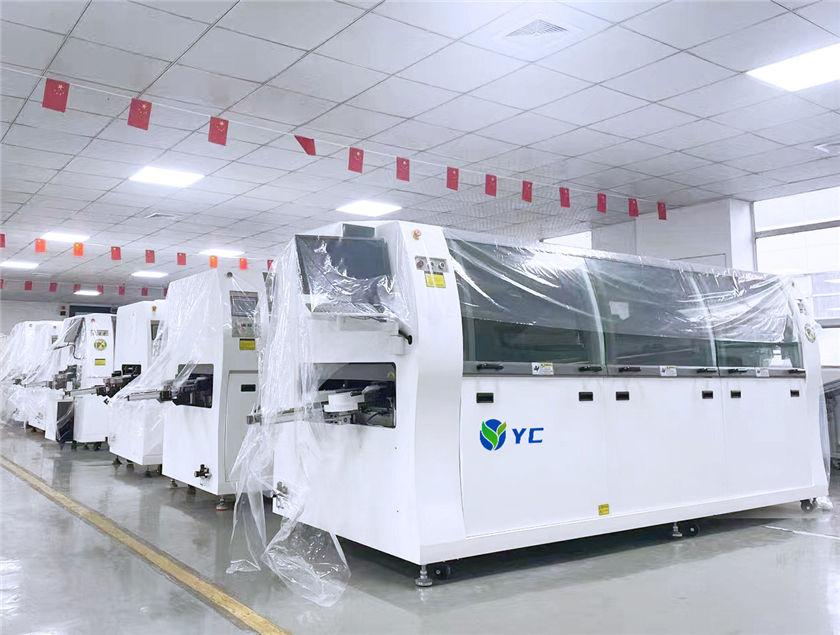
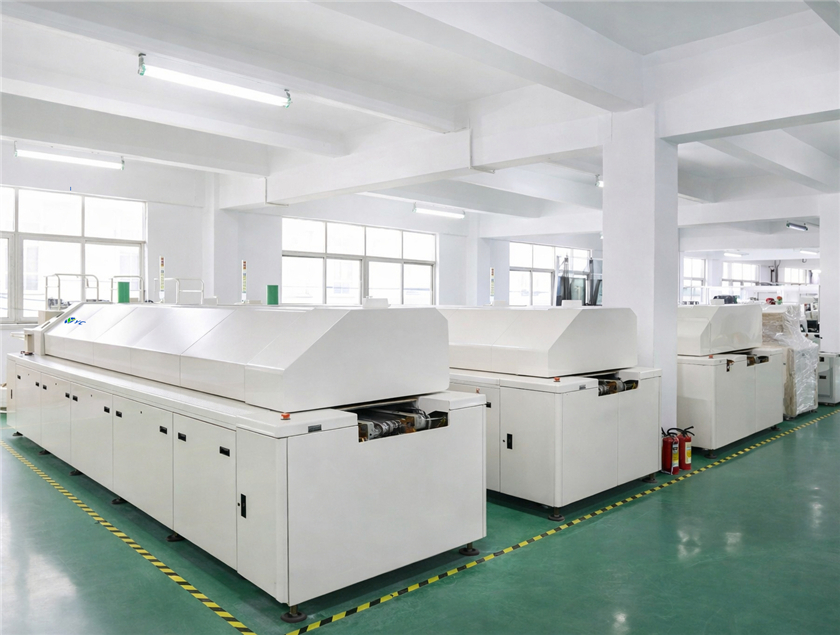
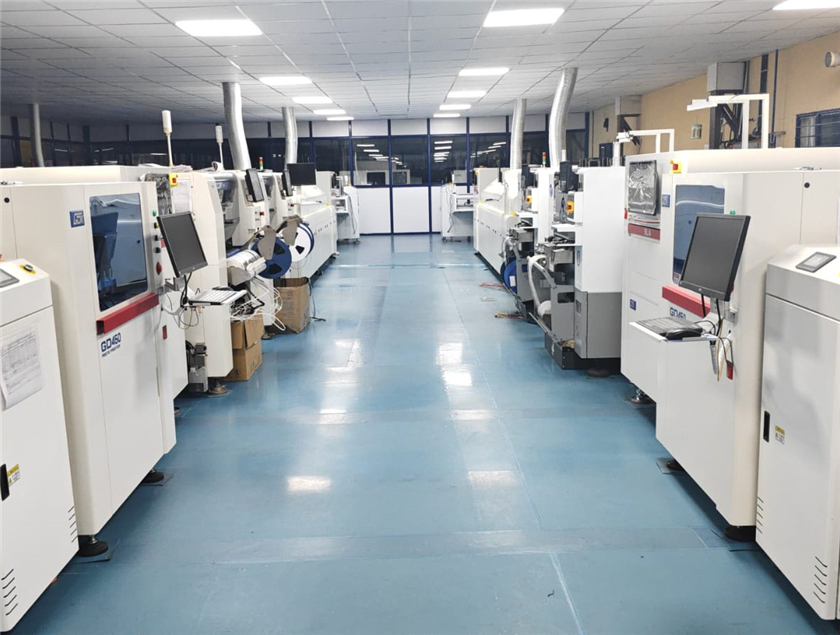
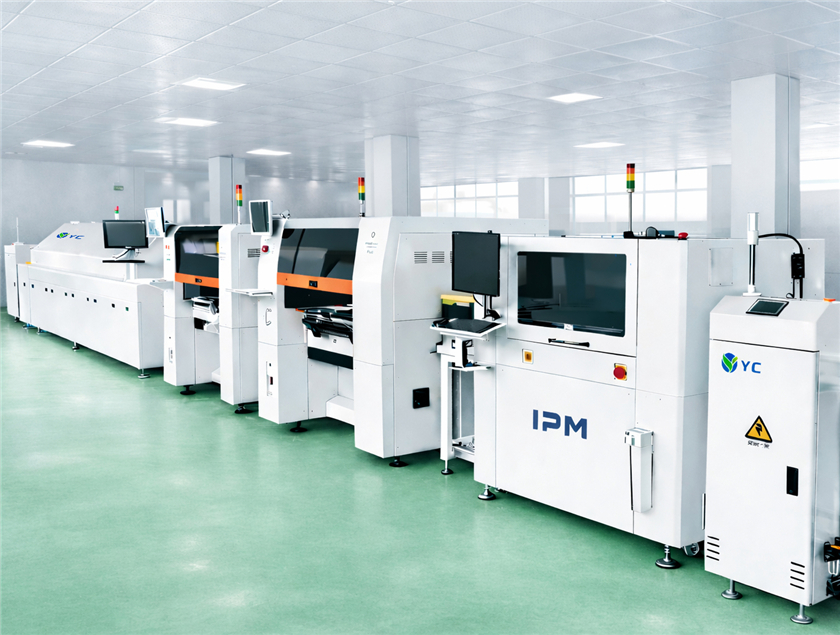
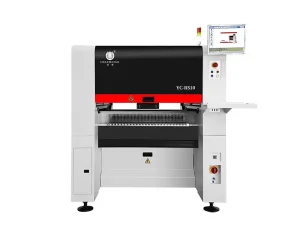
Our main solutions include reflow ovens, wave soldering systems, SMT production lines, automatic printers, pick-and-place machines, and related peripheral equipment. Rather than focusing only on individual machines, we emphasize complete line configuration, factory layout optimization, and long-term operational stability.
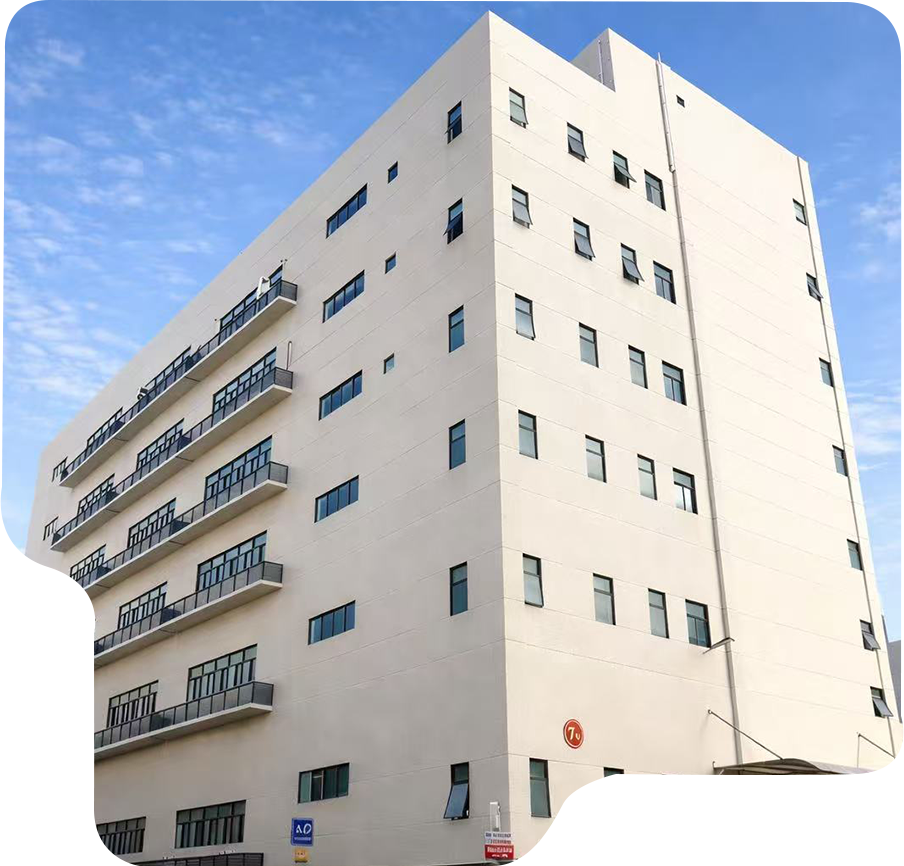
Yichun Demonstration & Training Showroom for Solution Verification
To provide practical, stable, and cost-effective SMT automation solutions that help electronics manufacturers improve productivity, maintain consistent product quality, and grow their manufacturing capabilities with confidence.
To become a reliable long-term SMT line integration partner for manufacturers seeking practical solutions, flexible equipment configurations, and dependable engineering support.
We focus on real production needs rather than theoretical configurations. From initial line planning to installation and long-term maintenance, our engineering team provides continuous support throughout the entire manufacturing lifecycle to ensure stable and efficient production.
Dissecting Hot Air Forced Convection Heating, Nitrogen Inerting Systems, and Dual-Rail Drive Mechanics.
In high-throughput electronic manufacturing environments, an 8-zone or 10-zone convection thermal reflow oven represents the thermal heart of the SMT assembly line. Understanding how thermal energy is managed across continuous heating and cooling zones is critical for process engineers targeting zero defect rates (DPMO < 1 PPM).
| Thermal Profile Stage | Temperature Range (°C) | Duration (Seconds) | Engineering Objective & Operational Physics |
|---|---|---|---|
| 1. Initial Ramp / Preheat Zone | $25^\circ\text{C} \rightarrow 150^\circ\text{C}$ | $60 - 90 \text{ sec}$ | Evaporate volatile solvent vehicles from printed solder paste; ramp rate controlled at $1.0 - 2.5^\circ\text{C}/\text{sec}$ to prevent thermal shock micro-cracking in ceramic MLCC capacitors. |
| 2. Thermal Soak Zone | $150^\circ\text{C} \rightarrow 200^\circ\text{C}$ | $60 - 120 \text{ sec}$ | Activate chemical flux agents to scavenge oxide films from copper pads; homogenize temperature across diverse PCB components to achieve minimal across-board $\Delta T$. |
| 3. Spike & Peak Reflow (TAL) | $217^\circ\text{C} \rightarrow 245^\circ\text{C} \text{ (Peak)}$ | $45 - 75 \text{ sec (TAL)}$ | Complete alloy melting; allow liquid solder wetting across component leads and PCB lands. Peak temperature strictly maintained below component max thermal limit ($260^\circ\text{C}$). |
| 4. Controlled Forced Cooling | $245^\circ\text{C} \rightarrow 100^\circ\text{C}$ | $30 - 50 \text{ sec}$ | Rapid solidification at $-2.0 \text{ to } -4.0^\circ\text{C}/\text{sec}$ to promote fine-grained eutectic intermetallic microstructures, preventing large grain boundary shear weakness. |
Each heating zone features independent top and bottom heater modules powered by high-durability nickel-chromium heating elements coupled with individual variable-frequency centrifugal blowers. Air velocity is individually modulated to eliminate micro-shadowing on high-density PCBs.
Closed-loop $O_2$ sampling continuously monitors chamber oxygen levels. By purging oxygen down to below $100-500 \text{ PPM}$ using an automated solenoid gas regulation manifold, solder surface tension decreases dramatically, virtually eliminating micro-balling and component voiding.
High-volume reflow creates heavy volatile flux fumes. Advanced factories implement multi-stage cold-trap flux extraction systems that pull out vaporized chemicals, condense them into disposable collection traps, and recirculate clean heated air back into the processing tunnel.
Tailoring Thermal Processing Parameters for High-Reliability Electronics Sub-Sectors.
Automotive engine control units (ECUs), ADAS radar sensors, and battery management systems (BMS) operate under extreme temperature cycling ($-40^\circ\text{C} \text{ to } +150^\circ\text{C}$). Solder voiding under power MOSFETs and BGA thermal pads must remain strictly below 10-15% area coverage. This demands multi-zone N2 reflow ovens with hyper-accurate soak profiling to ensure 100% wetting without flux entrapment.
Base station radio units and high-density AI acceleration boards utilize heavy copper inner layers (up to 4–6 oz Cu) and massive aluminum heat sinks. These boards store enormous amounts of thermal energy. Reflow lines must provide exceptional convective heat transfer capability through high-pressure blower systems to prevent cold solder joints on inner signal pins.
Smartwatches, wireless earbuds, and mobile handsets rely heavily on 01005 passives and 0.3mm pitch Wafer Level Chip Scale Packages (WLCSP). The primary defect challenge is "tombstoning"—where differential surface tension forces lift one end of a chip component during reflow. Uniform forced-convection heating with zero vibration on transport rails solves this defect.
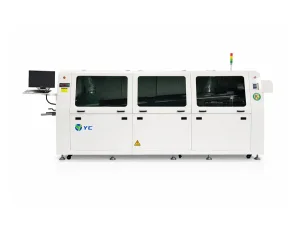
Industrial motor drives, solar inverters, and life-critical medical devices employ heavy-duty mixed-technology boards combining SMT with Through-Hole Technology (THT). Integrating high-zone reflow with precision wave soldering systems (such as the YC 350 series) guarantees total joint penetration and mechanical strength.
Detailed Engineering Capabilities & Strategic Advantages Provided by Yichun Electronic Integration Solutions.
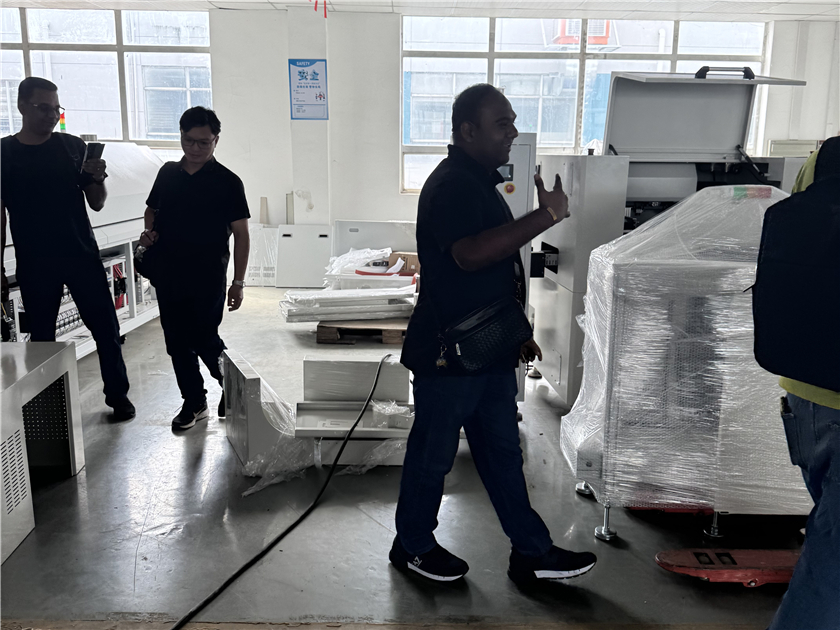
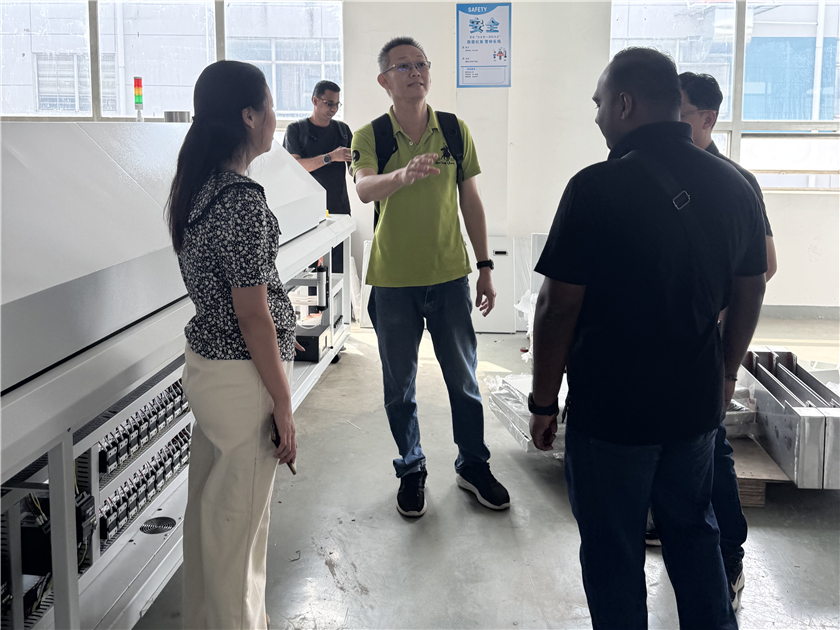
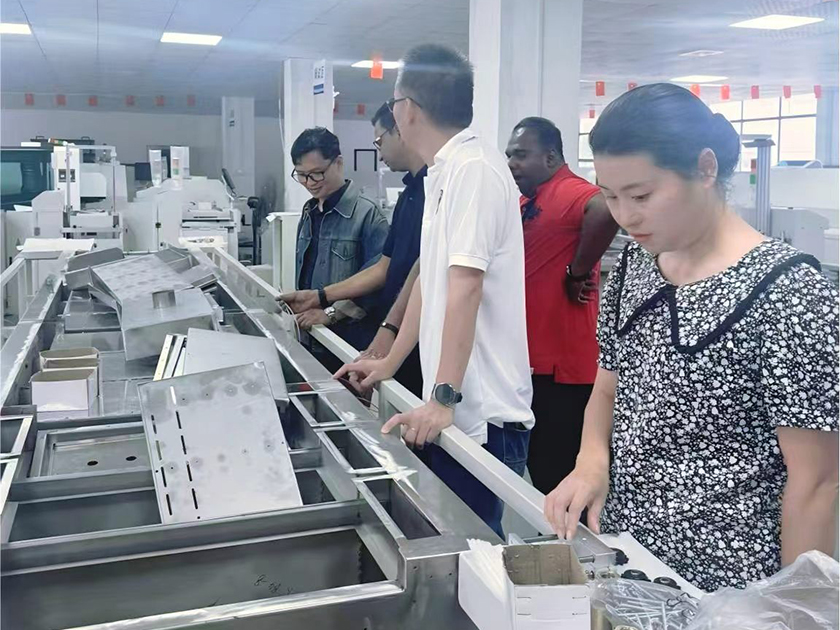
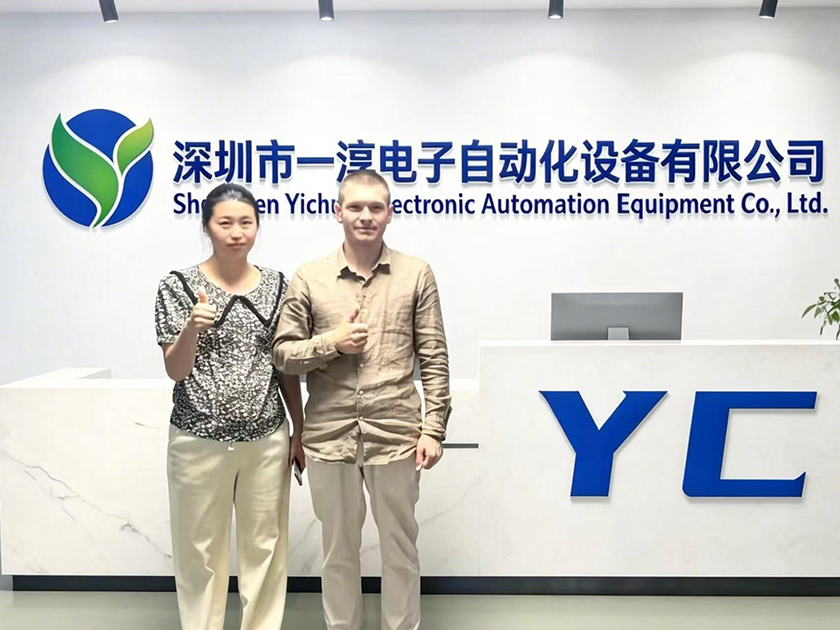
As electronics manufacturing continues to evolve, Yichun Electronic remains focused on delivering practical SMT line solutions that help manufacturers build reliable and efficient production capabilities. We believe stable equipment, realistic engineering design, and long-term technical support are the foundation of successful manufacturing operations.
Whether customers are setting up a new SMT line or optimizing an existing production process, our team is committed to providing straightforward, dependable solutions tailored to real factory needs. We look forward to building long-term partnerships with manufacturers seeking practical, cost-effective SMT production solutions.
Total Cost of Ownership (TCO) Metrics, Industry 4.0 M2M Communication Protocols, and Vendor Qualification Rules.
Evaluating capital investments for automated lead-free reflow ovens and complete SMT lines requires procurement executives to analyze parameters far beyond the initial purchase price. Leading global EMS companies audit vendor machinery using four core pillars:
Equipment must demonstrate process capability index ($C_{pk} \ge 1.67$) during continuous full-load production profiles under auto-profiling software monitoring.
Advanced zone isolation and thermal insulation design can save up to $35\%$ in electrical power consumption ($\text{kWh}/\text{board}$) and reduce nitrogen purge loss.
Full support for IPC-CFX (Connected Factory Exchange), IPC-HERMES-9852, and SEMI SMT-ELS protocols to enable automated line-stop dynamic feedback loops.
Mean Time Between Failures (MTBF > 2500 hrs) and rapid Mean Time To Repair (MTTR < 30 mins) supported by local spare parts stocking.
Addressing Search Intent: Expert Engineering Answers for SMT Processors and Global Sourcing Teams.
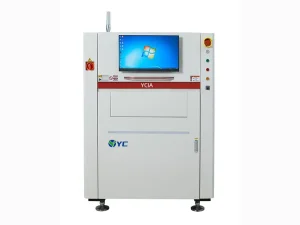
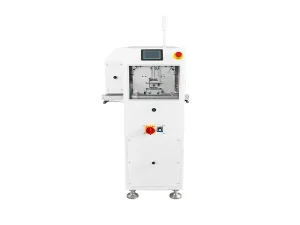
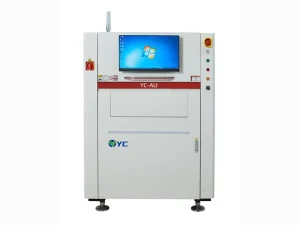
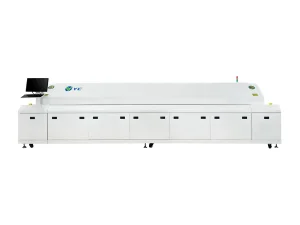
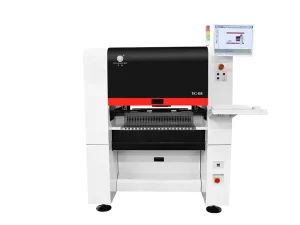
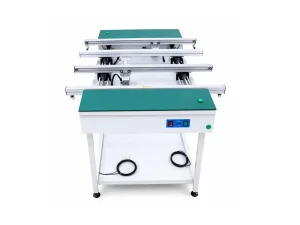
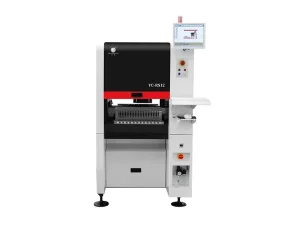
Explore our full range of automated optical inspection, magnetic pick-and-place systems, conveyor systems, and PCB cleaning machinery.
 Yichun Electronic