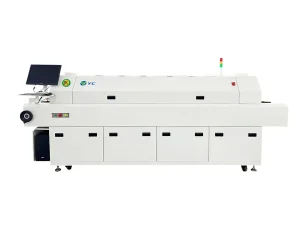
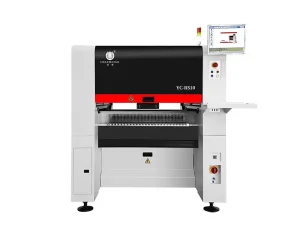
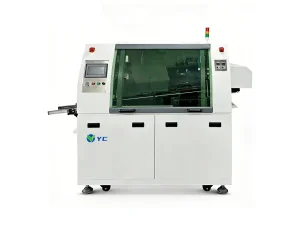
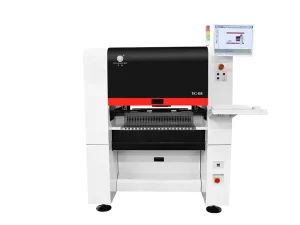
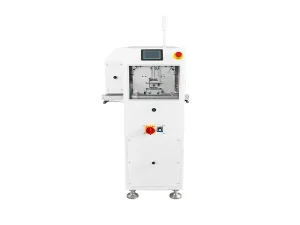
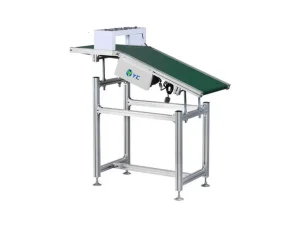
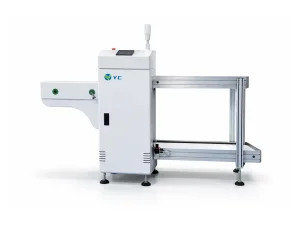
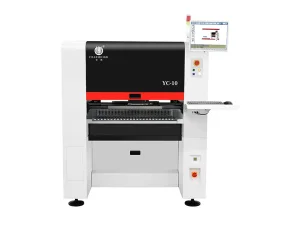
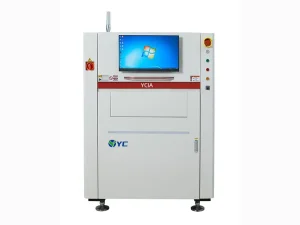
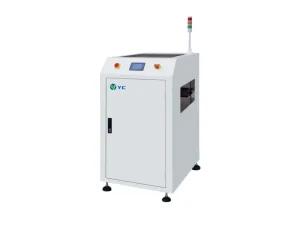
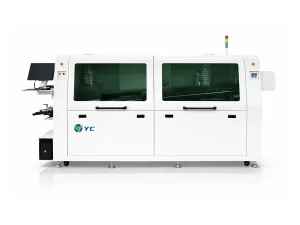
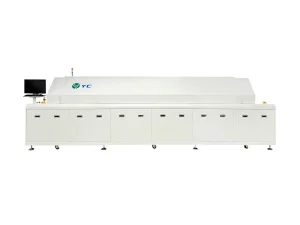
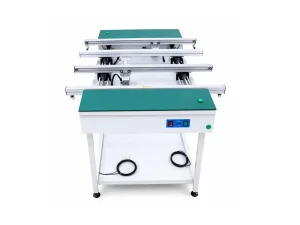
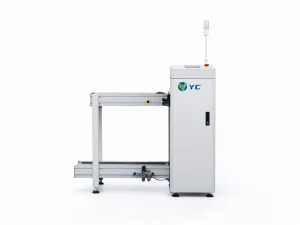
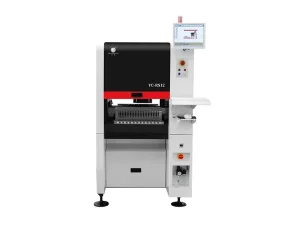
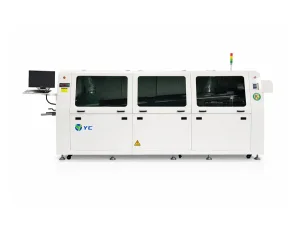
Explore our flagship lead-free reflow ovens, high-precision pick and place systems, and automated SMT peripheral solutions engineered for zero-defect electronics manufacturing.
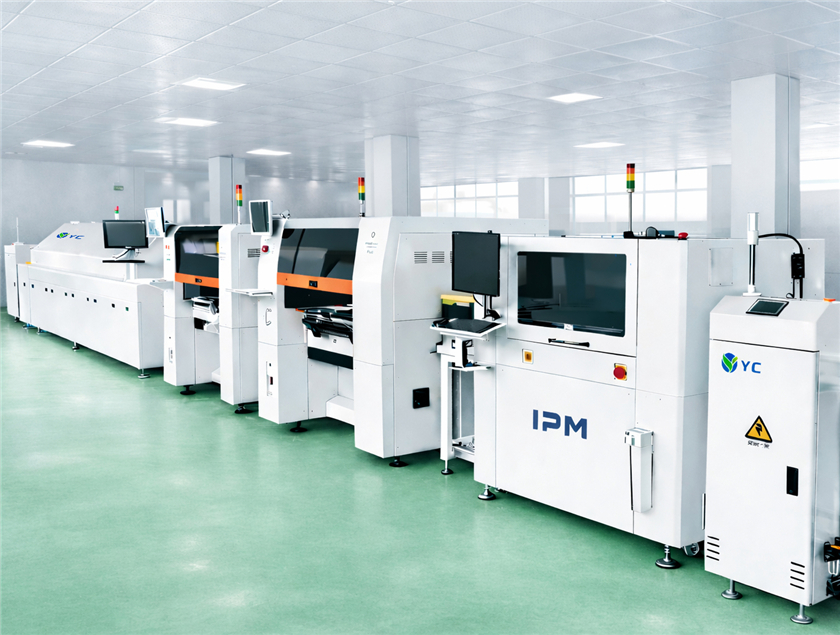
Shenzhen Yichun Electronic Automation Equipment Co., Ltd., founded in 2013, is a practical SMT production line solution provider and integrator focused on helping electronics manufacturers build stable and efficient manufacturing lines.
We specialize in SMT line planning, equipment integration, installation, and technical support based on real factory production requirements. Our solutions combine reliable SMT equipment with practical engineering experience to deliver cost-effective and easy-to-operate production lines for growing manufacturers globally.
Our main solutions include reflow ovens, wave soldering systems, SMT production lines, automatic printers, pick-and-place machines, and related peripheral equipment. Rather than focusing only on individual machines, we emphasize complete line configuration, factory layout optimization, and long-term operational stability.
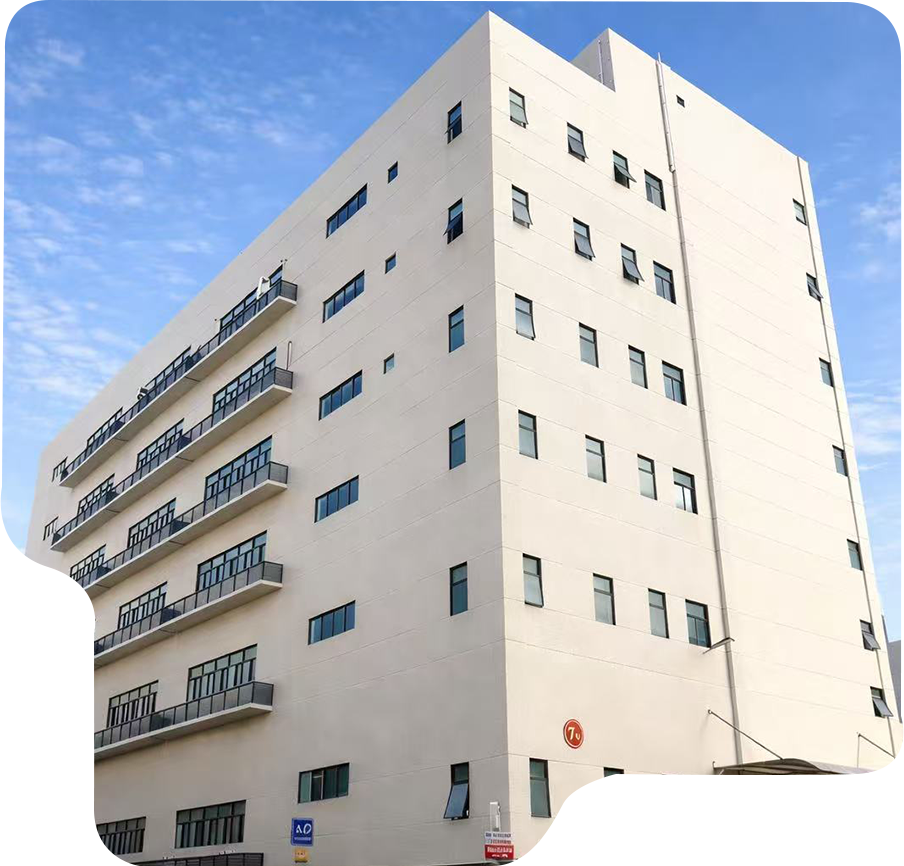
Our solutions are applied in consumer electronics, industrial control, communication products, and automotive electronics. We have supported SMT line projects in regions including Southeast Asia, South Asia, and Eastern Europe, providing installation, technical assistance, and ongoing service support.
Pioneering reliability in surface-mount technology through customer-centric engineering and continuous thermal innovation.
To provide practical, stable, and cost-effective SMT automation solutions that help electronics manufacturers improve productivity, maintain consistent thermal product quality, and grow their manufacturing capabilities with total enterprise confidence.
To become a reliable long-term SMT line integration partner for manufacturers seeking practical solutions, flexible equipment configurations, dynamic reflow controller technology, and dependable engineering support globally.
We focus on real production needs rather than theoretical configurations. From initial line planning to installation and long-term maintenance, our engineering team provides continuous support throughout the entire manufacturing lifecycle.
An in-depth analysis of closed-loop thermal profiling, PID auto-tuning, and thermal convection dynamics in lead-free SMT electronics assembly.
Modern thermal processing in surface-mount technology (SMT) demands micro-second precision to prevent thermal shock, tombstoning, and solder voiding. Reflow oven controllers function as the centralized nerve center, utilizing high-performance Programmable Logic Controllers (PLCs) or industrial ARM-based embedded processors running real-time operating systems (RTOS).
These controllers interface directly with K-type thermocouples and non-contact infrared sensors across multi-heating zones (6-zone, 8-zone, 10-zone, or 12-zone configurations). By employing advanced Proportional-Integral-Derivative (PID) algorithm loops augmented with fuzzy logic, famous exporter controllers maintain stable temperatures within ±1.0°C across high thermal mass printed circuit board assemblies (PCBAs).
Achieving defect-free solder joints compliant with IPC-A-610 Class 3 standard requires continuous calibration across four distinct thermal phases:
Proven experience in configuring complete SMT production lines based on real factory throughput targets, line balance, and space optimization.
Seamless integration of reliable SMT equipment brands to create balanced solutions combining performance, thermal stability, and cost efficiency.
On-site installation, thermal profile generation, operator training, and hands-on technical assistance to guarantee smooth production startup.
Dedicated remote diagnostic support and on-site engineering dispatch to rapidly resolve controller alarms and eliminate costly downtime.
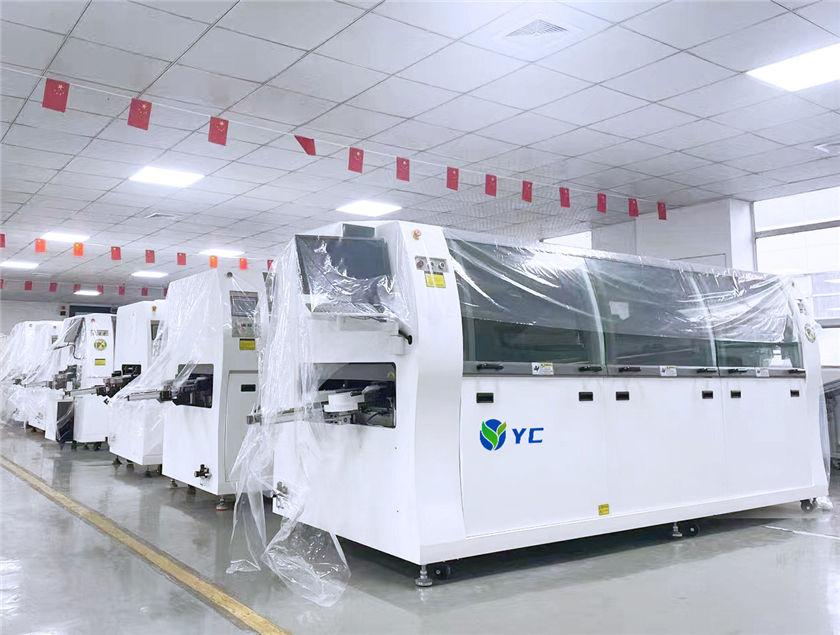
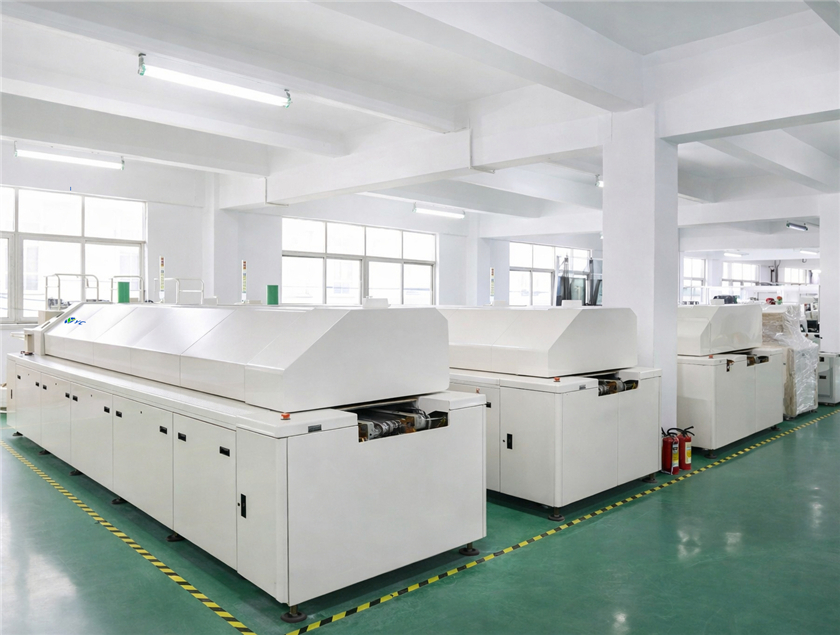
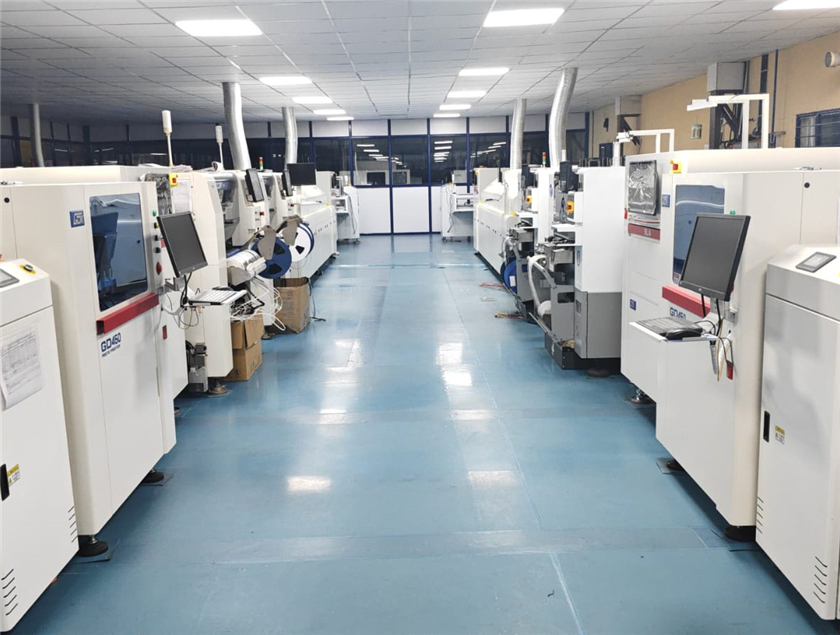
Navigating technical procurement criteria, macro-industry solutions, and total cost of ownership (TCO) for international SMT equipment buyers.
Global tier-1 automotive suppliers require reflow oven controllers with full trace-ability logging, dual-rail transport controllers, real-time oxygen concentration monitoring (N2 atmosphere below 100 PPM), and thermal profiling repeatability to prevent latent field failures in mission-critical ADAS modules.
Smartphones, wearables, and IoT modules utilize ultra-fine-pitch BGAs, 01005 components, and flexible circuits (FPC). Procurement managers prioritize controllers featuring high-velocity forced air convection, dynamic blower speed control, and narrow Delta-T capabilities.
Heavy copper boards and multi-layer server motherboards demand reflow controllers capable of supplying massive thermal energy without overheating small adjacent components. Independent top and bottom heating zone regulation is mandatory.
Carefully selected controller hardware and key thermal heating elements designed for 24/7 continuous industrial production environments.
Optimized thermal management, synchronized dual-conveyor structures, and line balancing reduce thermal cycle bottlenecks.
Intelligent thermal insulation design and smart eco-mode heating control lower operational energy consumption by up to 25%.
Intuitive graphical touch-screen software makes operator profile switching straightforward and cuts technical onboarding time.
The convergence of AI thermal modeling, IPC-CFX standards, and predictive maintenance in modern reflow control systems.
As factories transition toward Smart Manufacturing (Industry 4.0), famous reflow oven controller exporters are standardizing on open communication protocols. IPC-CFX (Connected Factory Exchange) and IPC-HERMES-9852 allow the reflow controller to stream live temperature data, conveyor speeds, oxygen levels, and energy metrics directly to Manufacturing Execution Systems (MES).
This bi-directional data flow enables dynamic board recipe loading based on barcode scanning at the oven entry, ensuring zero operator error during product changeovers.
Next-generation thermal controllers integrate machine learning models trained on millions of solder reflow profiles. These controllers automatically recalculate thermal response curves based on ambient factory temperature fluctuations, conveyor load density, and heater response degradation.
Predictive maintenance algorithms continuously monitor heater current signatures and blower motor vibrations, warning maintenance teams before a heating element fails or a bearing seizes.
As electronics manufacturing continues to evolve, Yichun Electronic remains focused on delivering practical SMT line solutions that help manufacturers build reliable and efficient production capabilities. We believe stable equipment, realistic engineering design, and long-term technical support are the foundation of successful manufacturing operations.
Whether customers are setting up a new SMT line or optimizing an existing production process, our team is committed to providing straightforward, dependable solutions tailored to real factory needs. We look forward to building long-term partnerships with manufacturers seeking practical, cost-effective SMT production solutions.
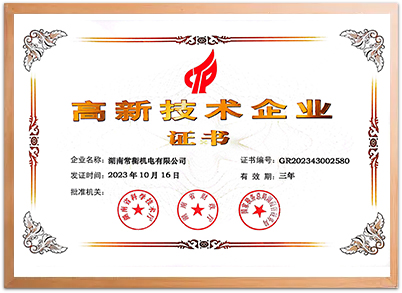
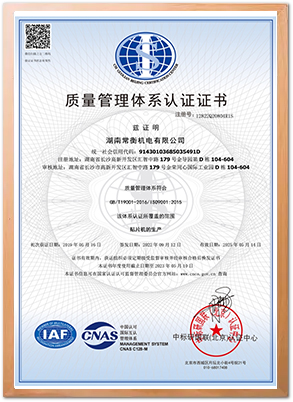
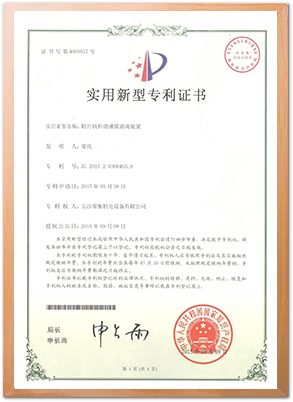
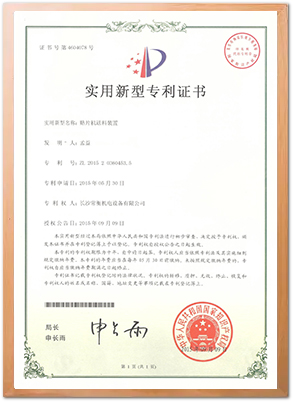
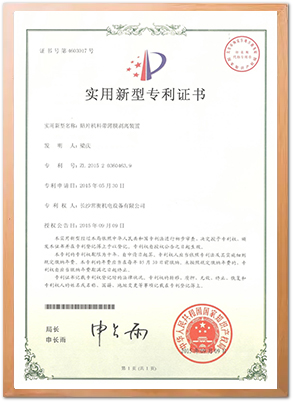
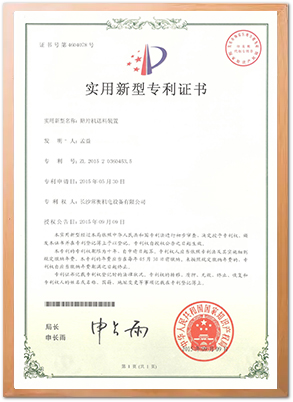
Ensuring seamless international deployment through rigorous global standards and dedicated regional engineering networks.
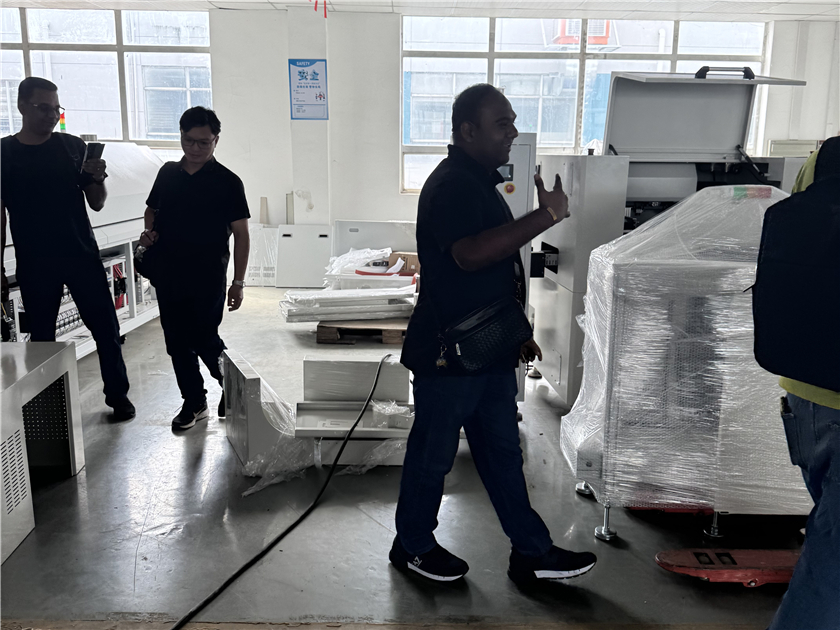
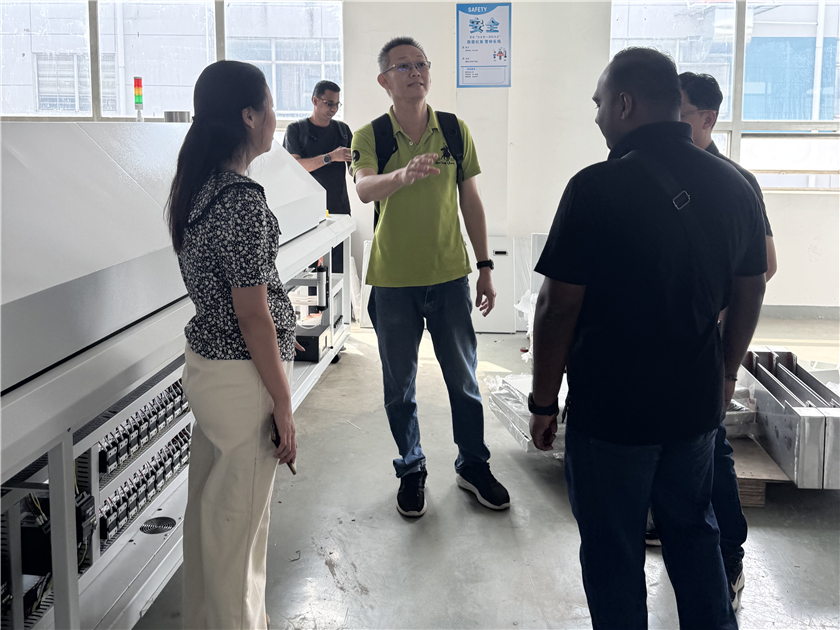
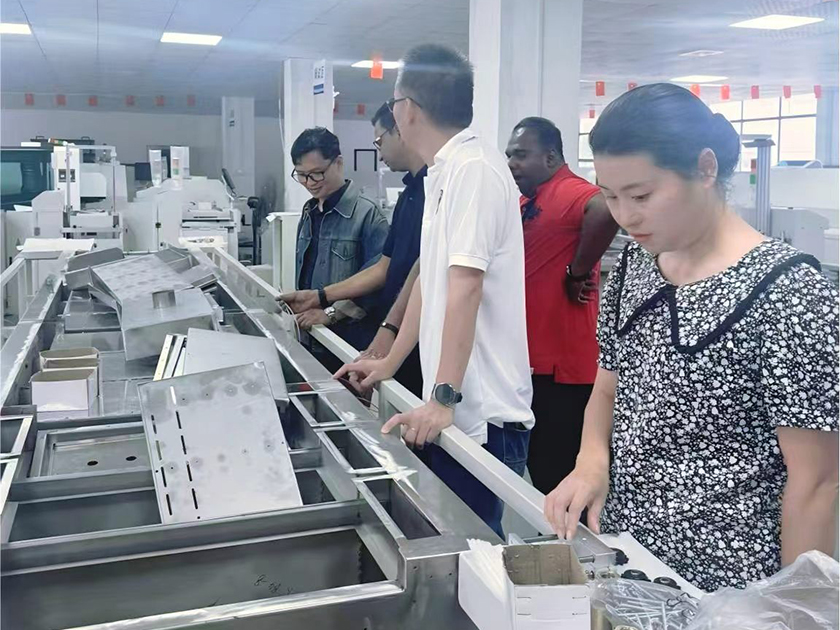
Navigating global exporter logistics requires more than hardware shipment. Yichun Electronics provides localized technical support hubs, offering on-site installation, multi-lingual thermal profiling training, and rapid spare-part replenishment across Southeast Asia, Eastern Europe, South America, and South Asia.
All exporter reflow controllers and integrated SMT machinery conform strictly to international safety and environmental directives including CE Marking, RoHS Compliance, REACH Directives, and UL/CSA electrical safety protocols.
Exporters incorporate built-in self-calibration diagnostics. Thermocouple inputs undergo cold-junction compensation accuracy checks to adhere to ISO 9001 quality system audits and IPC-7530 thermal profiling guidelines.
Expert insights on selecting, configuring, and maintaining industrial reflow oven controllers for SMT assembly lines.
A reflow oven controller manages the heating zone temperatures, blower speeds, and conveyor movement in a reflow soldering machine. It ensures that printed circuit boards pass through precise preheat, soak, reflow, and cooling stages according to specific thermal profiles required by solder paste formulations (e.g., SAC305, SnPb), preventing defects such as cold joints, bridging, or tombstoning.
A 6-zone controller manages 6 distinct heating zones (top and bottom), making it ideal for standard density PCBs, medium production volumes, and cost-conscious operations. An 8-zone controller offers longer heating tunnel lengths and more fine-grained temperature zone regulation, which allows for higher conveyor line speeds, lower Delta-T values across complex multi-layer boards, and improved handling of thermal mass variations.
Lead-free alloys (like SAC305) have higher melting points (~217°C) and narrower thermal processing windows compared to traditional leaded solder. Closed-loop PID control dynamically adjusts power to heating elements based on real-time sensor feedback, guaranteeing temperature stability within ±1.0°C. This prevents board scorching while ensuring full solder reflow and proper wetting.
Yes. Leading exporters equip their controllers with SMEMA, IPC-CFX, and IPC-HERMES-9852 communication protocols. This allows real-time data streaming of zone temperatures, conveyor speeds, oxygen PPM levels, and error codes directly to enterprise Manufacturing Execution Systems (MES) for full digital traceability.
Buyers should evaluate controller hardware reliability, PID algorithm stability, software profile storage capacity, international safety compliance (CE, UL, RoHS), localized engineering support availability, and spare part accessibility. Partnering with experienced exporters like Yichun ensures complete line compatibility and long-term service assistance.
Explore our full suite of automated inspection equipment, line handling conveyors, and precision wave soldering machinery.
 Yichun Electronic