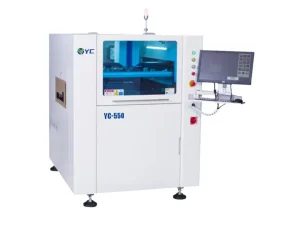
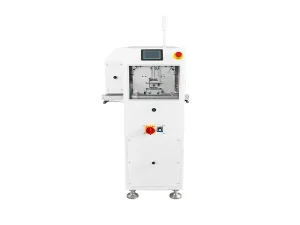
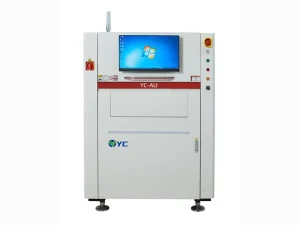
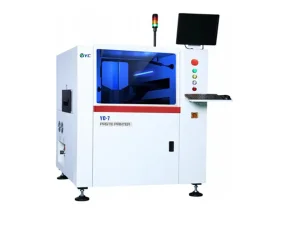
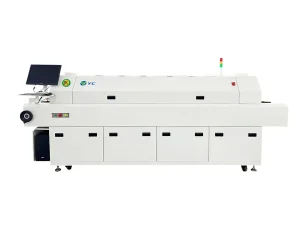
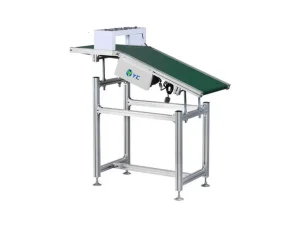
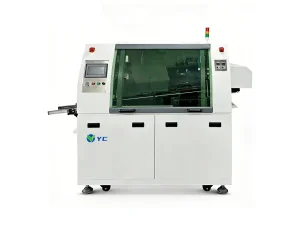
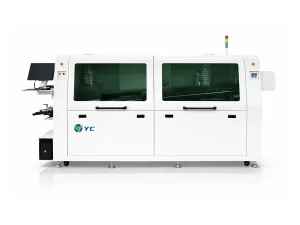
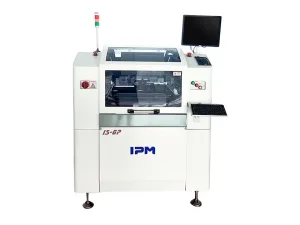
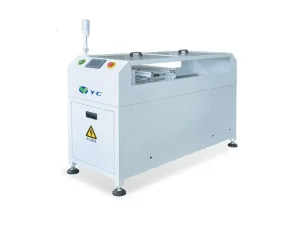
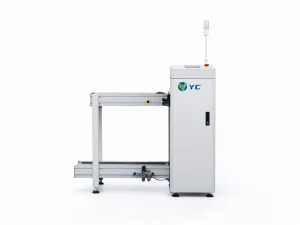
Explore our industrial-grade, cost-effective SMT production equipment engineered for seamless thermal profile management, maximum yield, and operational reliability.
In the rapidly evolving landscape of surface-mount technology (SMT) and printed circuit board assembly (PCBA), electronic design engineers, R&D labs, and hardware startups frequently encounter the search query "Cheap DIY PCB reflow ovens manufacturers & exporter". Historically, makers and small-scale prototyping facilities attempted to build DIY reflow systems using modified toaster ovens, solid-state relays (SSRs), thermocouple probes, and open-source microcontrollers (such as Arduino or ESP32 running PID control loops). While these DIY reflow projects provide basic thermal energy, they consistently fall short when subjected to modern electronics manufacturing standards like IPC-A-610 Class 2 and Class 3.
The core challenge of DIY reflow ovens lies in their inability to deliver uniform forced hot-air convection across multi-layer PCBs, precise zone isolation, and repeatable thermal ramping profile capabilities. Modern surface-mount devices (SMDs)—including fine-pitch Ball Grid Arrays (BGAs), Quad Flat No-Leads (QFNs), and 0201 or 01005 passive components—demand precise, multi-stage temperature management. Improper thermal gradients cause fatal manufacturing defects such as tombstoning, voiding, cold solder joints, PCB delamination, and component thermal stress damage.
While true "DIY" kits exist for hobbyists, commercial enterprises seeking "cheap reflow solutions" are actually in search of high-reliability, low-CAPEX entry-level industrial reflow ovens exported directly from specialized Chinese SMT OEMs. These machines bridge the cost gap while meeting professional lead-free soldering profiles (IPC-7530 compliance).
Understanding the engineering performance metrics between improvised DIY ovens and budget-friendly factory-manufactured SMT reflow ovens is critical for making informed capital investment decisions.
| Performance Parameter | DIY Modified Toaster / Batch Kit | Entry-Level Desktop Reflow Chamber | Industrial Multi-Zone Conveyor Reflow Oven (Yichun) |
|---|---|---|---|
| Heating Mechanism | Infrared / Radiant Quartz Rods (Uneven) | Top/Bottom Infrared + Static Air | Full Forced Hot-Air Micro-Convection + Heating Modules |
| Thermal Control Precision | ±5°C to ±15°C (High thermal lag) | ±2°C to ±5°C | ±1.0°C (Closed-loop PID intelligent control) |
| Process Throughput | Batch only (1 board per 8-12 min) | Batch only (1-2 boards per cycle) | Continuous Conveyor (Up to 120+ boards/hr) |
| Lead-Free Profile (SAC305) | Unstable ramp; risk of component thermal shock | Marginal compliance; localized hot spots | Full IPC-7530 Lead-Free Compliance Curves |
| Nitrogen (N2) Purging Option | Not Available | Rare / Custom Mod | Optional Integrated Inert N2 Gas Injection |
| BGA Solder Void Percentage | > 25% (High rework cost) | 10% - 15% | < 5% (Within Aerospace & Automotive Specs) |
Achieving perfect solder joint metallurgy requires strict adherence to multi-zone thermal profile management. Standard solder alloys used in modern electronics assembly, such as lead-free SAC305 (Sn96.5 / Ag3.0 / Cu0.5) or traditional Sn63/Pb37, mandate specific thermodynamic phases during reflow:
Gradually elevates the PCB temperature from ambient to approximately 150°C at a strictly controlled rate (typically 1.0°C/s to 3.0°C/s). This controlled slope prevents thermal shock to sensitive ceramic capacitors and prevents solder paste slumping.
Maintains temperatures between 150°C and 200°C for 60 to 120 seconds. In this region, flux activators remove surface oxides from both component terminations and copper pads, while ensuring uniform temperature distribution across high-mass and low-mass components alike.
Rapidly elevates the temperature above the liquidus point (217°C for SAC305, 183°C for Sn63Pb37) reaching a peak temperature between 235°C and 250°C. The flux reduces surface tension, enabling wetting, capillary action, and the formation of a pristine intermetallic compound (IMC) layer.
Rapidly cools the assembly at 2.0°C/s to 4.0°C/s. Fast cooling creates a fine-grained crystalline solder structure, maximizing mechanical fatigue resistance and long-term joint shear strength.
Cheap DIY reflow modifications rely on static air or basic radiant quartz lamps which introduce severe Delta-T (ΔT) variations across the PCB surface. In contrast, Yichun’s engineered continuous reflow systems employ forced hot-air convection impinging uniformly upon the circuit board, reducing ΔT across complex board layouts to under 2.0°C.
Shenzhen Yichun Electronic Automation Equipment Co., Ltd., founded in 2013, is a practical SMT production line solution provider and integrator focused on helping electronics manufacturers build stable and efficient manufacturing lines.
We specialize in SMT line planning, equipment integration, installation, and technical support based on real factory production requirements. Our solutions combine reliable SMT equipment with practical engineering experience to deliver cost-effective and easy-to-operate production lines for growing manufacturers.
Our main solutions include reflow ovens, wave soldering systems, SMT production lines, automatic printers, pick-and-place machines, and related peripheral equipment. Rather than focusing only on individual machines, we emphasize complete line configuration, factory layout optimization, and long-term operational stability.
Yichun Electronic operates a demonstration and training showroom used for equipment testing, solution verification, and customer visits, helping clients better understand production processes before implementation.
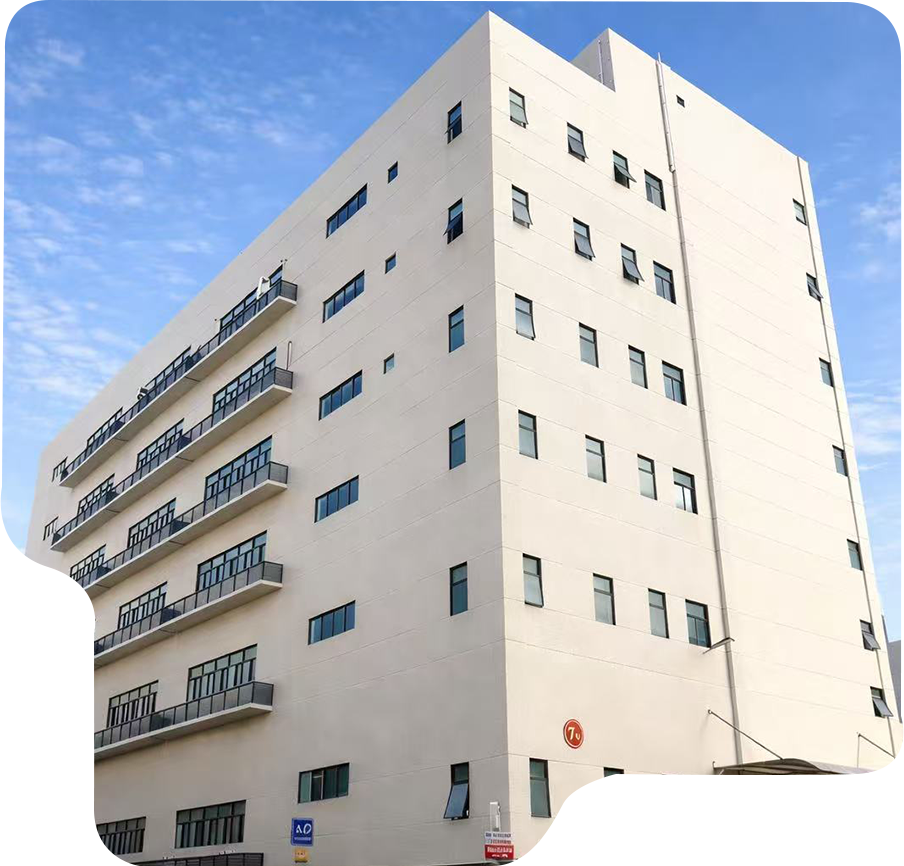
Our solutions are applied in consumer electronics, industrial control, communication products, and automotive electronics. We have supported SMT line projects in regions including Southeast Asia, South Asia, and Eastern Europe, providing installation, technical assistance, and ongoing service support.
To provide practical, stable, and cost-effective SMT automation solutions that help electronics manufacturers improve productivity, maintain consistent product quality, and grow their manufacturing capabilities with confidence.
To become a reliable long-term SMT line integration partner for manufacturers seeking practical solutions, flexible equipment configurations, and dependable engineering support.
We focus on real production needs rather than theoretical configurations. From initial line planning to installation and long-term maintenance, our engineering team provides continuous support throughout the entire manufacturing lifecycle to ensure stable and efficient production.
Experience in configuring complete SMT production lines based on real factory requirements and production capacity targets.
Integration of reliable SMT equipment brands to create balanced solutions combining performance, stability, and cost efficiency.
On-site installation, operator training, and technical assistance to ensure smooth production startup and stable operation.
Remote and on-site support to quickly resolve equipment issues and minimize downtime.
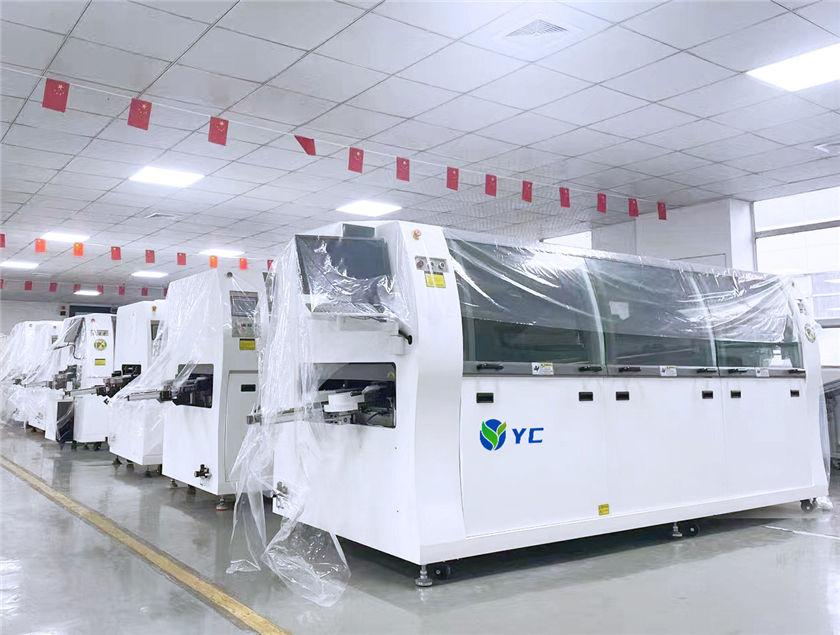
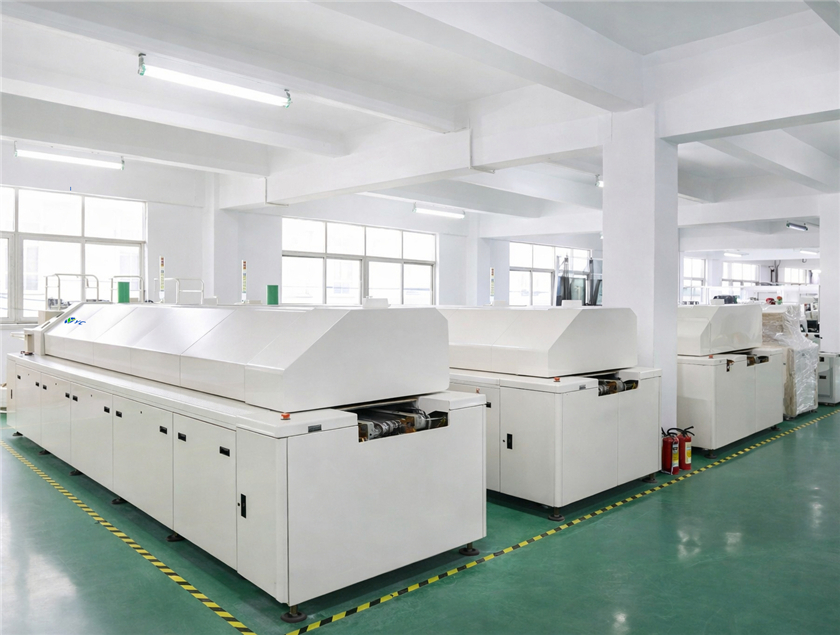
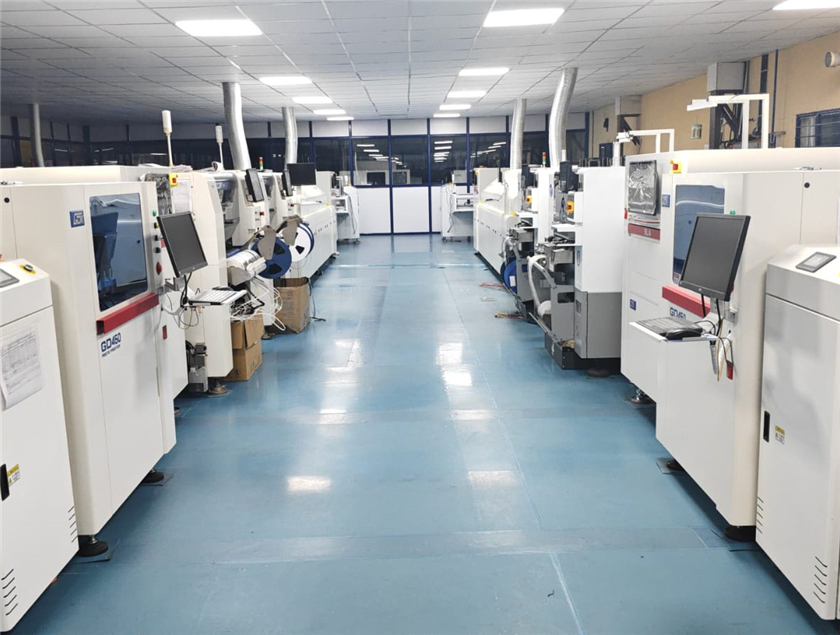
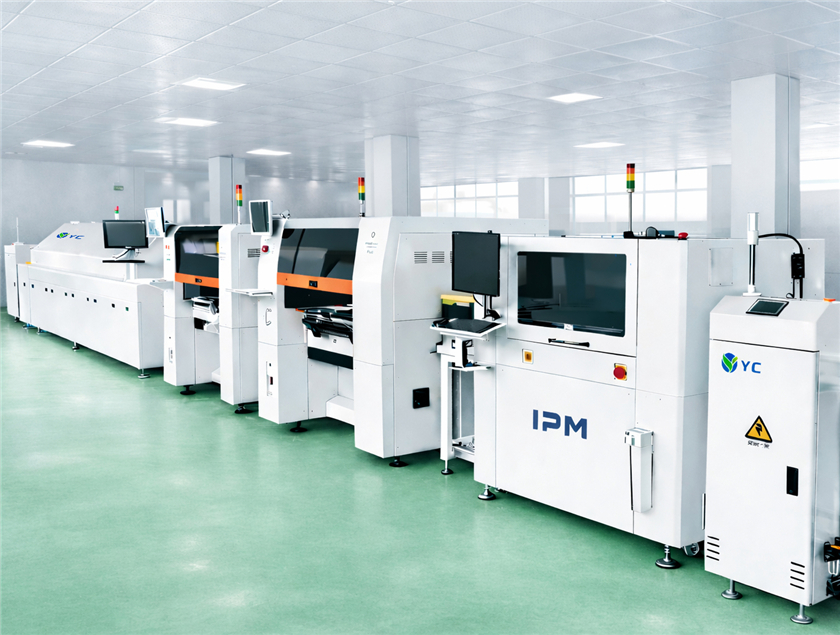
Carefully selected equipment and key components designed for long-term continuous production environments.
Optimized thermal systems, conveyor structures, and line balancing improve throughput and reduce bottlenecks.
Energy-saving design concepts and intelligent control help reduce operating costs dramatically over time.
Clear software interfaces and practical design make training easier and reduce operator learning time.
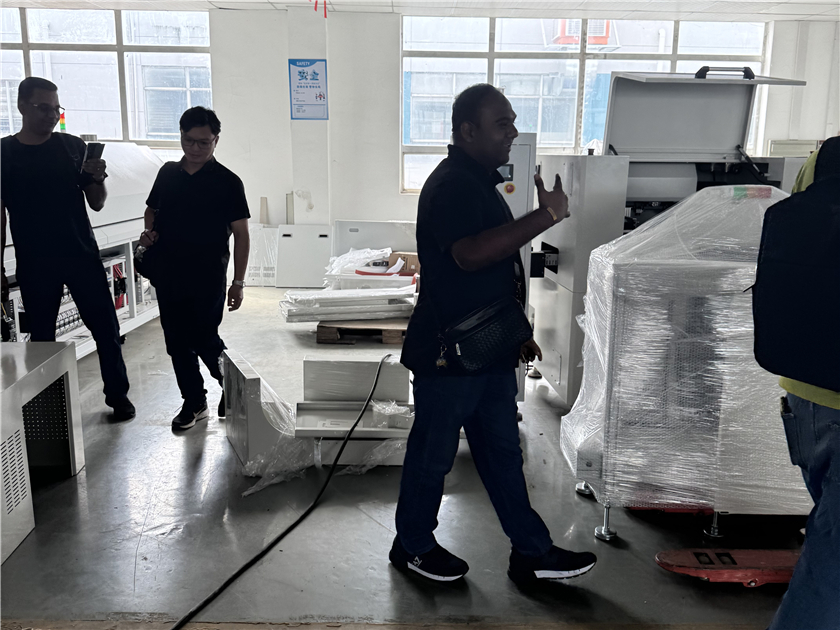
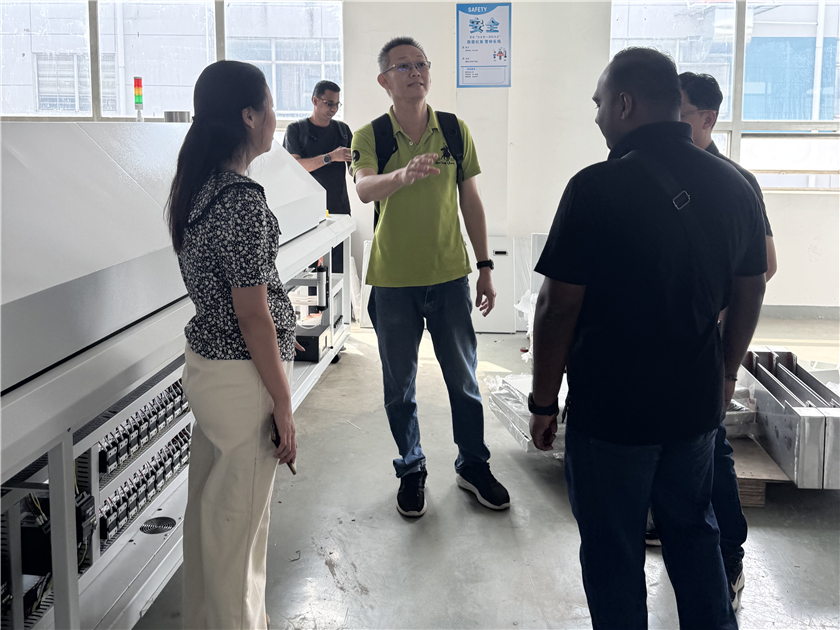
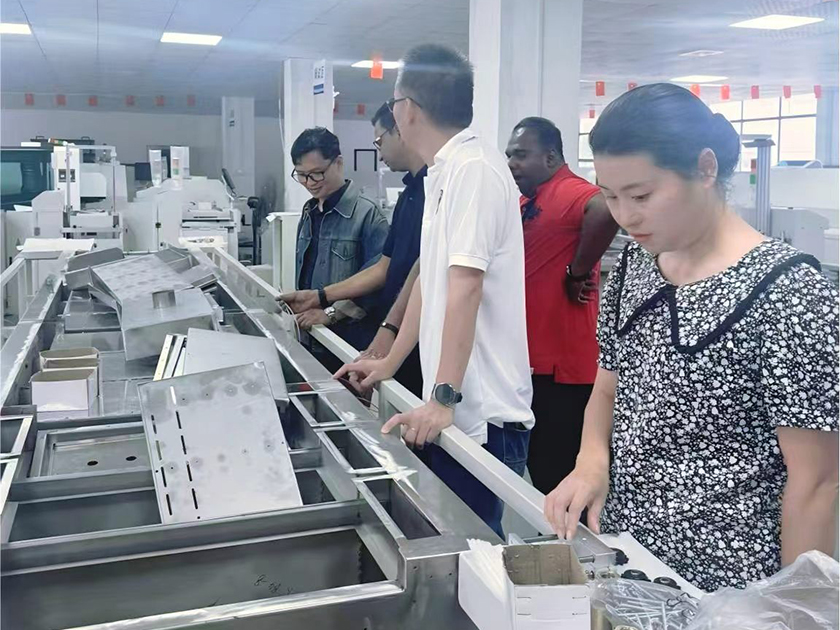
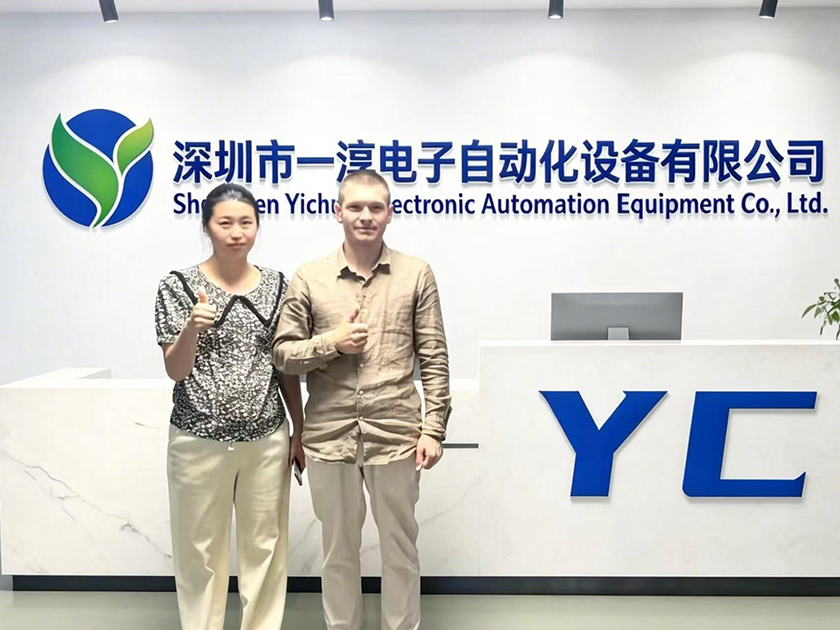
As electronics manufacturing continues to evolve, Yichun Electronic remains focused on delivering practical SMT line solutions that help manufacturers build reliable and efficient production capabilities. We believe stable equipment, realistic engineering design, and long-term technical support are the foundation of successful manufacturing operations.
Whether customers are setting up a new SMT line or optimizing an existing production process, our team is committed to providing straightforward, dependable solutions tailored to real factory needs. We look forward to building long-term partnerships with manufacturers seeking practical, cost-effective SMT production solutions.
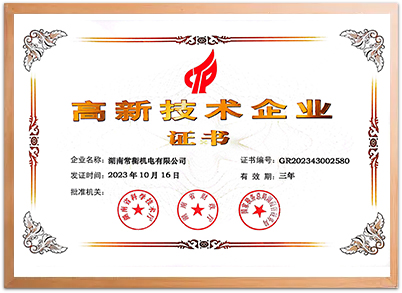
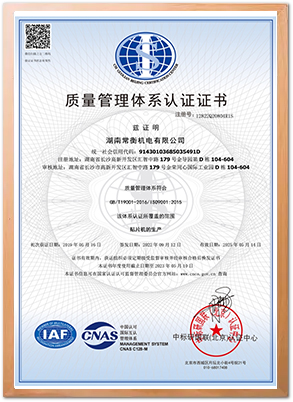
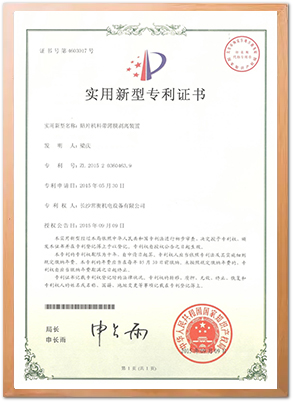
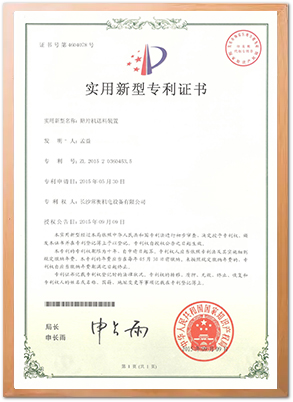
Global procurement teams searching for cheap reflow ovens frequently discover that domestic European or North American machinery vendors charge exorbitant markups for entry-level batch and conveyor ovens. By leveraging Shenzhen's premier industrial electronics cluster, Chinese manufacturers like Shenzhen Yichun Electronic Automation Equipment Co., Ltd. provide unmatched price-to-performance advantages.
Shenzhen is the world’s hub for SMT machinery. From heavy-duty sheet metal fabrication, high-temperature quartz insulation, and solid-state electronics to precision mesh conveyor belts, components are sourced within a 50-mile radius, drastically lowering BOM costs.
Every industrial reflow oven leaving our production lines undergoes 72-hour thermal stress endurance testing, 9-point thermocouple calibration, and insulation safety checks before packing and export.
Whether you require single-phase 220V power configurations for small labs or 380V 3-phase industrial power for high-volume factories, our engineering team offers full electrical and mechanical customization.
Deploying industrial machinery across international boundaries demands strict adherence to regulatory norms, safety certifications, and robust post-sales infrastructure.
All Yichun reflow ovens, solder paste dispensers, and wave soldering systems comply with CE (Conformité Européenne) standards, incorporating emergency stop safety circuits, over-temperature cutoff switches, and double-insulated thermal walls to ensure operator safety.
Designed specifically to handle high-melting-point lead-free solders (e.g., SAC305, Sn-Bi-Ag) without causing thermal degradation to delicate component encapsulation or board substrates.
We combine IoT-enabled remote software troubleshooting with dedicated localized partner networks in Southeast Asia, South Asia, and Eastern Europe for rapid on-site commissioning and maintenance.
When evaluating "Cheap DIY PCB reflow ovens" versus purchasing an entry-level industrial conveyor reflow oven, smart buyers look beyond the initial purchase price to consider Total Cost of Ownership (TCO):
The electronics manufacturing industry is experiencing significant technological shifts. Understanding these macro trends ensures your capital equipment investments remain future-proof:
Integration of artificial intelligence and machine learning algorithms that automatically suggest optimal zone temperature setpoints based on board mass, layer count, and component density inputs.
Adoption of Sn-Bi based low-temperature alloys designed to melt at 138°C–170°C. Lower processing temperatures decrease energy consumption and enable ultra-thin PCB substrates without warping.
Integration of Hermes and IPC-CFX communication protocols, allowing reflow ovens to share real-time operation metrics directly with Manufacturing Execution Systems (MES) for total process traceability.
Our practical SMT line integrations and reflow ovens serve diverse global market applications:
Ideal for rapid turn-around prototyping of IoT sensors, wearable tech, and embedded controllers requiring high reliability before mass manufacturing.
High-reliability soldering for power electronics, engine control units (ECUs), and battery management systems (BMS) demanding minimal solder voiding and zero cold joints.
Cost-effective continuous production of smart home appliances, LED drivers, power supplies, and industrial automation control boards.
Select from our extended range of production-ready SMT equipment engineered to deliver superior long-term performance and total quality management.
 Yichun Electronic