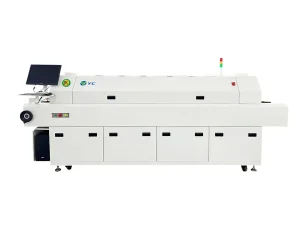
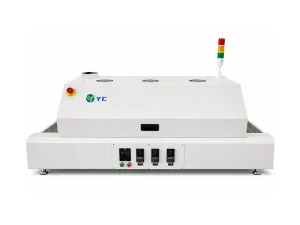
Explore our industrial-grade, cost-optimized thermal soldering and automated SMT line machinery.
A rigorous evaluation of thermal management, operational expenditure (OpEx), and Total Cost of Ownership (TCO) for global electronics buyers.
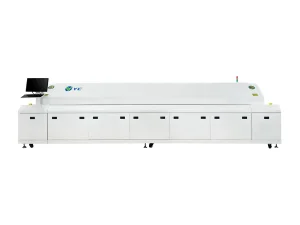
In modern high-density electronics manufacturing, searching for a cheap Eta reflow oven factory & exporter is frequently misunderstood by procurement professionals as a search for lower product quality. However, from an advanced semantic user-intent perspective, global electronics manufacturing services (EMS) providers and OEM engineering leads search for high-value thermal reflow systems that deliver optimal Thermal Delta T (ΔT ≤ ±1.5°C), strict compliance with IPC-A-610G Class 3 soldering standards, and minimal nitrogen consumption without incurring exorbitant tier-1 brand premiums.
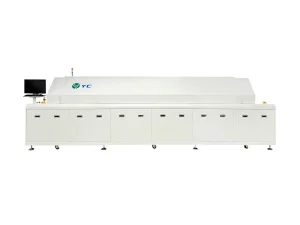
Reflow soldering is the critical thermal stage in Surface Mount Technology (SMT) production lines where solder paste (such as SAC305 or Sn96.5Ag3.0Cu0.5) transitions into robust intermetallic bonds. Achieving high-yield assembly requires continuous, forced hot-air micro-recirculation, precise zone-by-zoning thermal profile management, and resilient structural design. Factory-direct exporters such as Shenzhen Yichun Electronic Automation Equipment Co., Ltd. bridge the gap between capital expenditure constraints and top-tier technical performance.
Founded in 2013: A premier practical SMT production line solution provider and integrator.
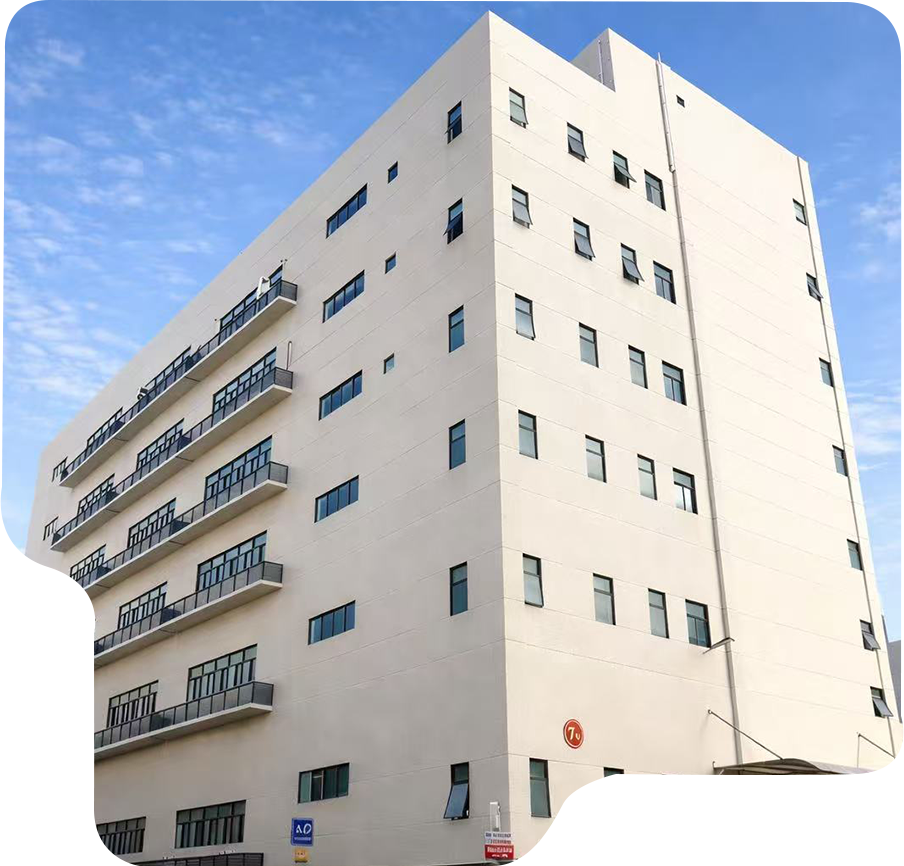
Founded in 2013, Shenzhen Yichun Electronic Automation Equipment Co., Ltd. is a practical SMT production line solution provider and integrator focused on helping electronics manufacturers build stable and efficient manufacturing lines worldwide.
We specialize in complete SMT line planning, thermal profile optimization, equipment integration, global installation, and direct factory technical support based on real-world manufacturing conditions. Our solutions combine highly reliable thermal reflow equipment with hands-on engineering experience to deliver cost-effective and straightforward production lines for growing electronics assembly plants.
Extensive experience in configuring end-to-end SMT lines matched precisely to operational throughput, PCB layer complexity, and factory layout constraints.
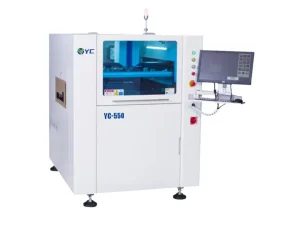
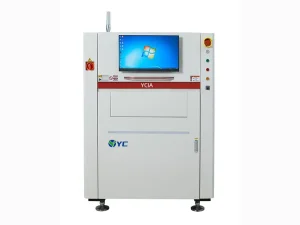
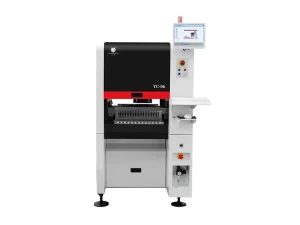
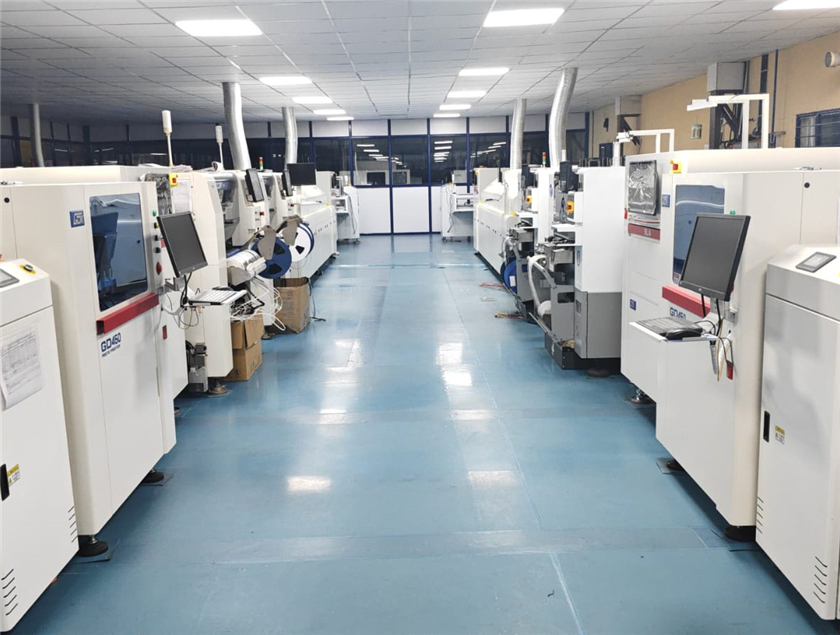
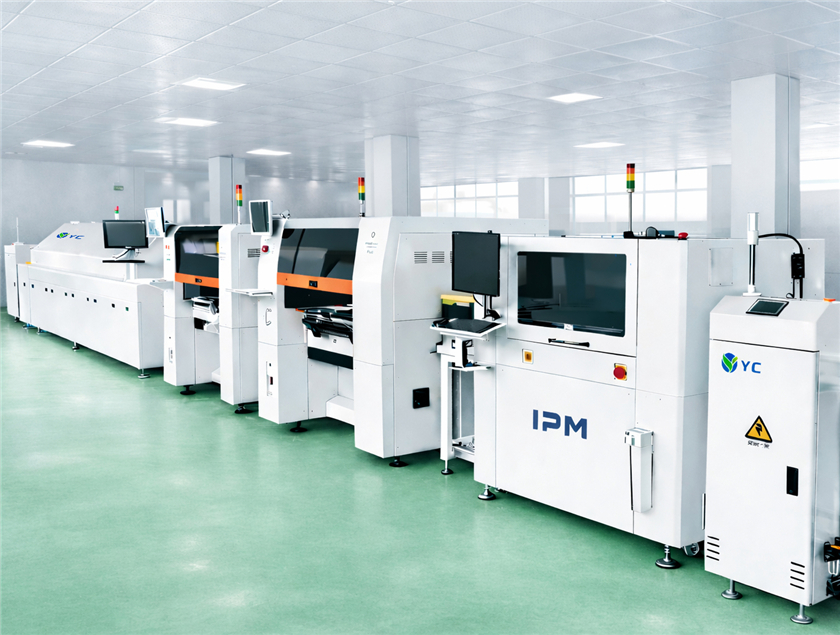
Harmonious integration of top-tier reflow ovens, 3D SPI, automated optical inspection (AOI), and pick-and-place systems to yield maximum throughput per dollar invested.
Turnkey commissioning, thermal profile profiling, hands-on operator training, and field support ensuring high line utilization from day one.
Rapid remote troubleshooting, IoT real-time diagnostic analysis, and global field technician dispatch to maintain maximum uptime.
Understanding zone breakdown, forced air micro-recirculation, and defect-free metallurgical bonding.
The reflow soldering process relies on precise heat transfer mechanisms: Convection (forced hot air or inert gas), Conduction (heat distribution through copper planes), and Radiation (infrared emission from heating elements). In an optimized Eta-style SMT reflow oven, forced air micro-recirculation ensures that complex component packages—such as Fine-Pitch BGAs, Quad Flat No-leads (QFNs), 0201 passives, and heavy power transistors—reach identical peak reflow temperatures simultaneously.
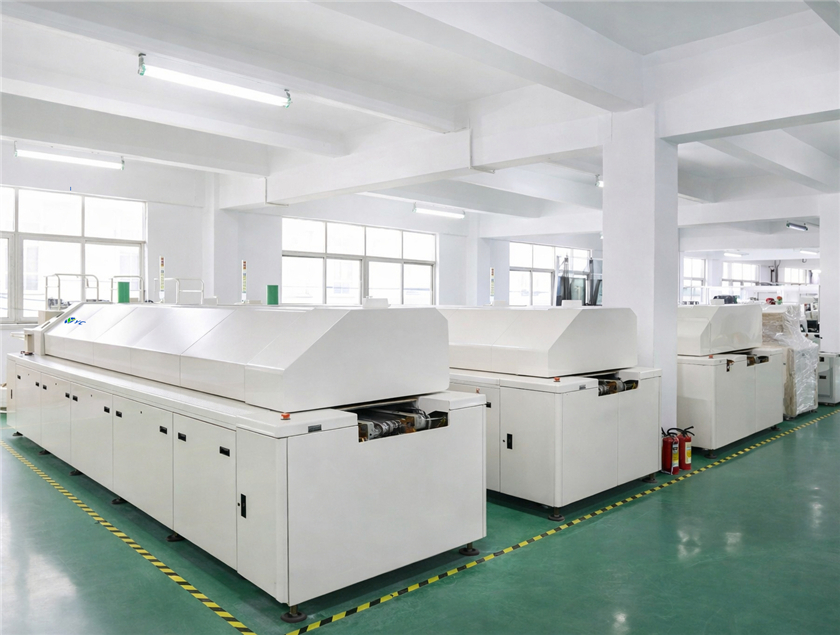
A standard high-efficiency SMT reflow oven is divided into four critical operational phases across multiple top and bottom heating zones:
| Thermal Zone | Temperature Range | Target Ramp Rate / Duration | Primary Metallurgical Function |
|---|---|---|---|
| Preheat Zone | 25°C to 150°C | 1.0°C - 3.0°C / sec | Gradual evaporation of solder paste solvents; prevention of thermal shock to ceramic chip capacitors. |
| Soak / Activation Zone | 150°C to 200°C | 60 to 120 seconds | Flux removal of copper oxides; thermal equalization across light and heavy thermal mass components. |
| Reflow (TAL - Time Above Liquidus) | Peak: 235°C - 250°C (Lead-Free) | 45 to 90 seconds (TAL > 217°C) | Complete melting of Sn-Ag-Cu alloy; wetting of component leads and PCB pads; creation of intermetallic layer. |
| Cooling Zone | 250°C down to 100°C | -2.0°C to -4.0°C / sec fast cool | Rapid solder alloy solidification; grain structure refinement; creation of high fatigue-resistant solder joints. |
To double factory output without increasing floor space, modern Eta reflow ovens exported by Yichun offer dual-lane mesh and chain conveyor systems. Each lane operates with independent speed controls, catering to high-mix, high-volume production lines simultaneously.
Internal multistage flux extraction systems condense volatilized rosin, preventing deposit re-condensation on printed circuit board surfaces. This dramatically extends maintenance intervals and safeguards heating chamber cleanliness.
Navigating global supply chain shifts, power cost optimization, and Smart Factory connectivity.
With rising global electricity rates, thermal insulation efficiency is paramount. Advanced thermal insulation blankets and intelligent stand-by sleep modes reduce standby power consumption by up to 35%.
Real-time Hermes standard and SMEMA communication protocols allow Eta reflow ovens to share dynamic profile data directly with upstream printers and downstream inspection machines.
Zero-defect policies in Automotive EV assembly demand strict N2 inertization (O2 level < 100 PPM) to prevent copper micro-oxidation and guarantee long-term thermal cycle stability.
Quantifying financial efficiency, payback period, and overall ROI for manufacturing executives.
When factory managers evaluate reflow oven sourcing strategies, looking strictly at the upfront capital cost is insufficient. True financial optimization requires evaluating initial purchase expense, energy consumption, maintenance cost, replacement parts availability, and line yield capabilities.
| Evaluation Parameter | Tier-1 Western / Japanese Brand | Yichun Direct Exported Eta Reflow Oven | Strategic Advantage |
|---|---|---|---|
| Initial Capital Expenditure (CapEx) | $120,000 - $220,000 USD | $25,000 - $65,000 USD | 60% - 75% Initial Savings for capacity expansion. |
| Thermal Stability (Delta T) | ±1.0°C | ±1.0°C - ±1.5°C | Equal Performance across standard and complex PCBs. |
| Replacement Parts Lead Time | 4 - 8 Weeks (High Cost) | 3 - 7 Days (Standardized Industrial Parts) | Minimized Downtime Risks and lower spare parts inventory. |
| Energy Consumption (8-Zone Hot Air) | 9 - 14 kW/h | 8 - 12 kW/h | Optimized Thermal Insulation cuts operating costs. |
| Return on Investment (ROI) | 24 - 36 Months | 6 - 12 Months | Fast Capital Recovery for agile production scaling. |
Ensuring seamless international deployment across Southeast Asia, South Asia, Europe, and the Americas.
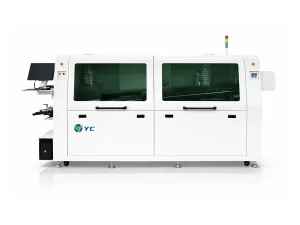
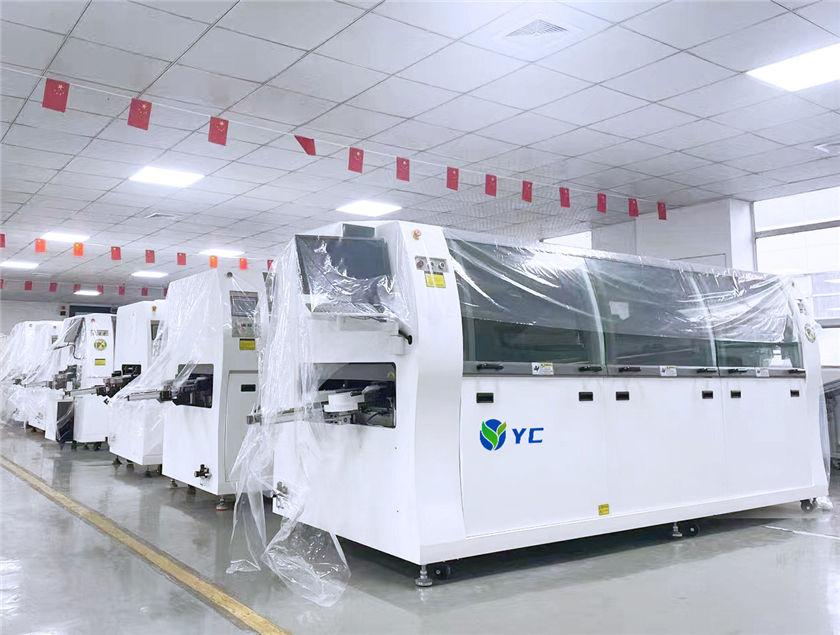
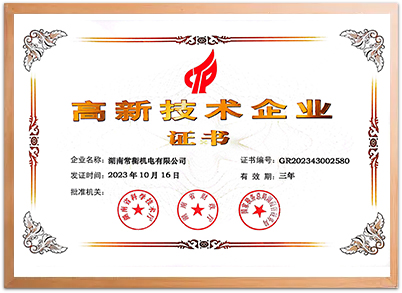
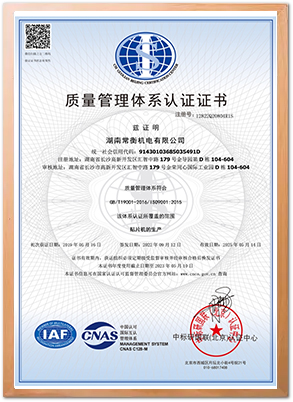
All exported reflow ovens, wave soldering systems, and peripheral automation machines comply fully with CE safety directives, ISO9001 quality management standard, and RoHS environmental requirements.
Shenzhen Yichun provides worldwide installation, thermal profiling setup, line balancing assistance, and local technician training in key industrial hubs including Vietnam, India, Poland, Turkey, and Mexico.
We maintain regional spare parts inventories—including SSRs, heating elements, blower motors, mesh belts, and PLC modules—guaranteeing rapid dispatch and uninterrupted factory uptime.
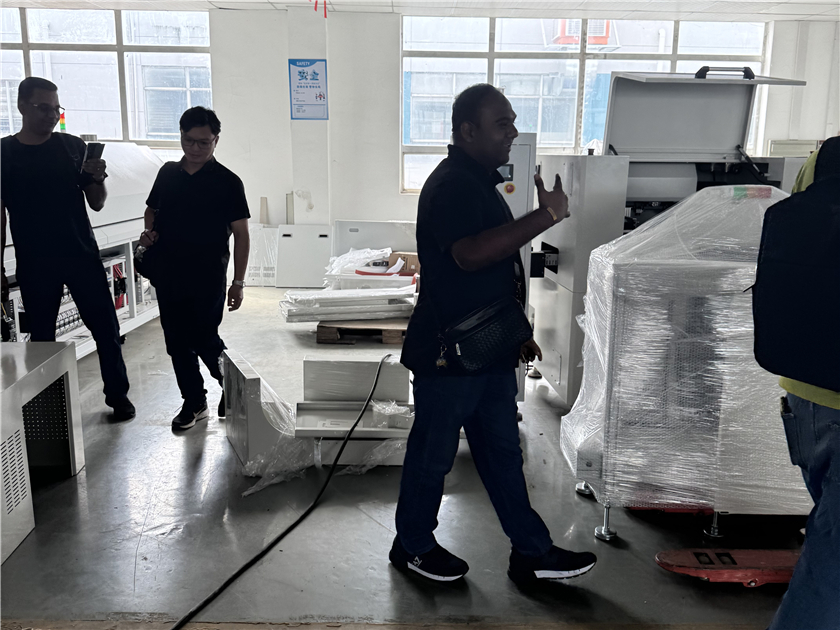
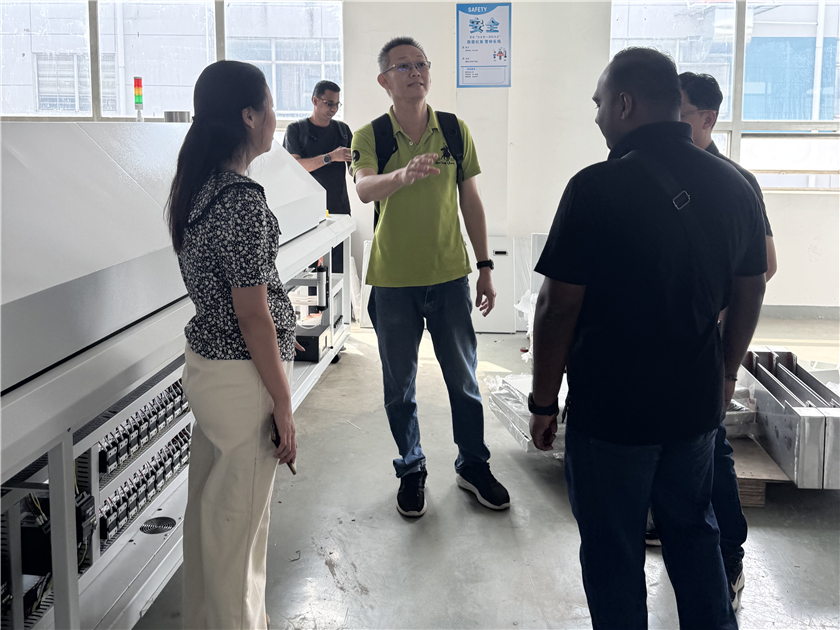
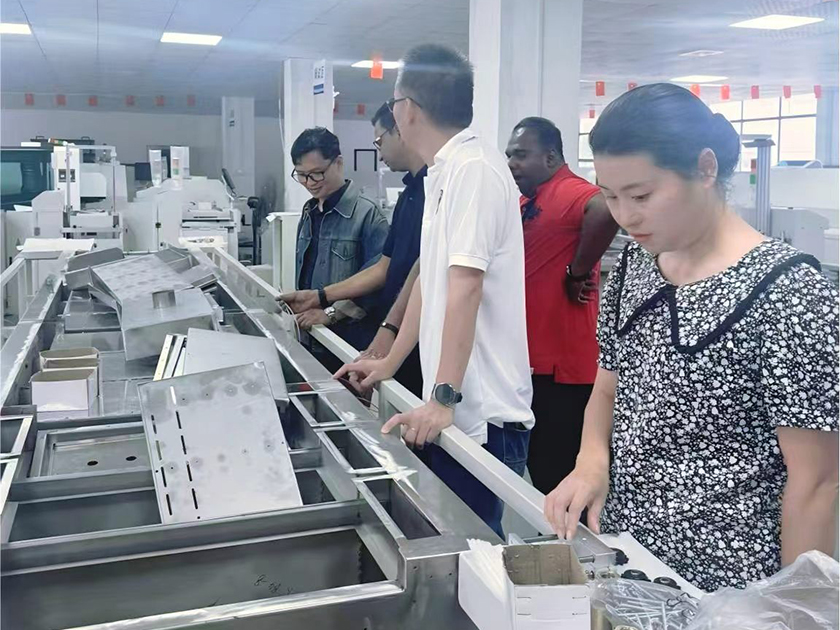
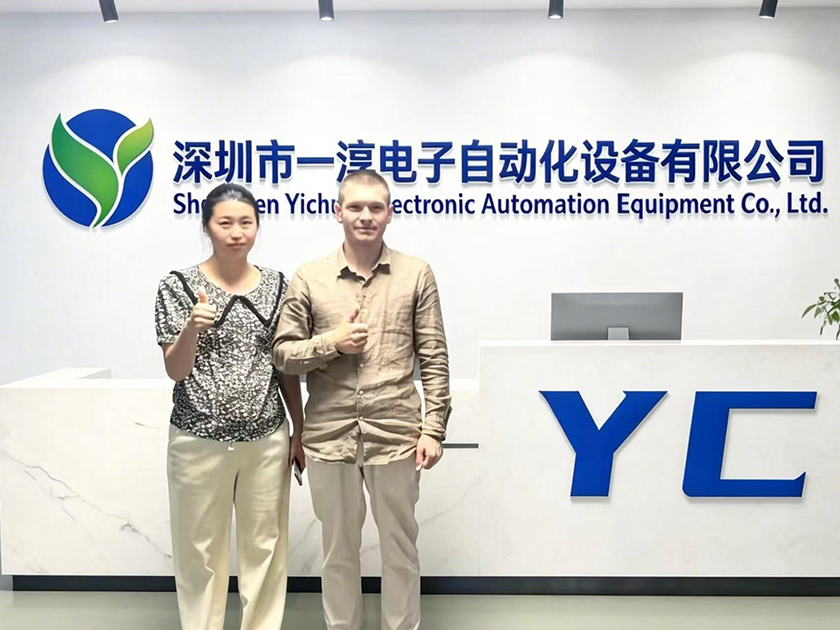
Inside Yichun Electronic Automation: Rigorous testing, precision manufacturing, and comprehensive SMT line setup.
Anticipating future assembly challenges in semiconductor packaging, vacuum reflow, and sustainable manufacturing.
For high-reliability power semiconductors, automotive insulated-gate bipolar transistors (IGBTs), and aerospace assemblies, next-generation reflow ovens incorporate inline vacuum chambers. By applying vacuum pressure during peak liquidus phase, internal solder voiding levels are reduced from 15% to less than 1%, ensuring optimal heat dissipation.
Future Eta reflow systems will integrate dynamic thermal sensors that automatically adjust heating zone blower speeds and real-time temperatures based on optical board density scans. This eliminates trial-and-error profile generation, reducing product changeover time from hours to seconds.
Expert answers to critical technical and procurement queries from global assembly engineers.
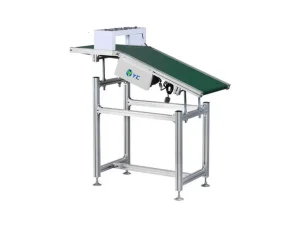
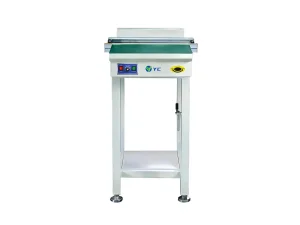
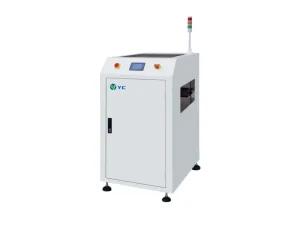
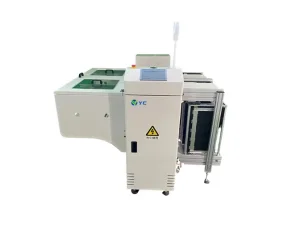
Pair your reflow oven with high-precision peripheral automation for balanced assembly lines.
 Yichun Electronic