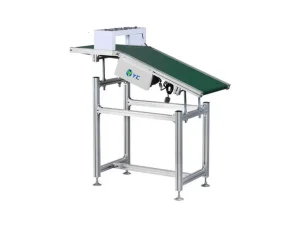
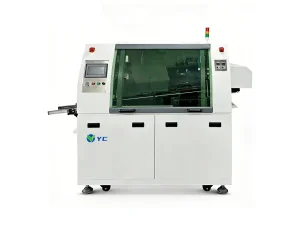
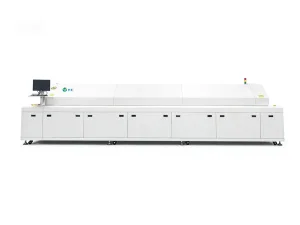
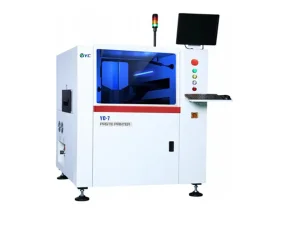
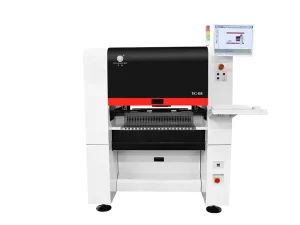
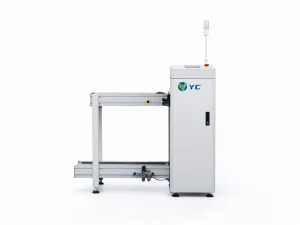
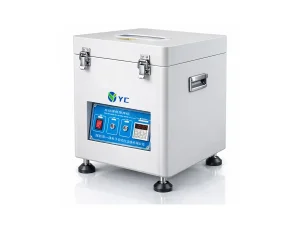
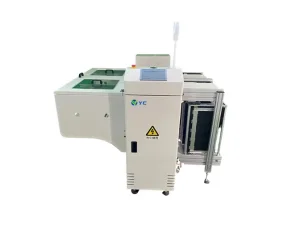
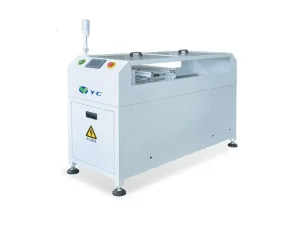
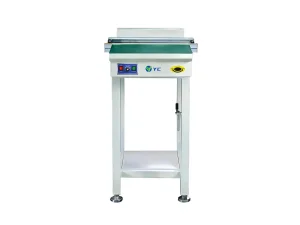
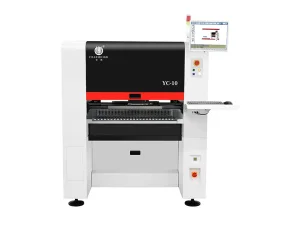
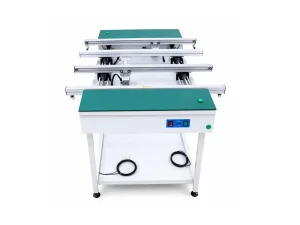
Explore our factory-direct, highly scalable automatic wave soldering machines, SMT reflow ovens, and peripheral automation equipment.
In modern electronics manufacturing services (EMS) and original design manufacturing (ODM), dual-wave and large-format wave soldering systems represent the cornerstone of high-throughput Dual In-line Package (DIP) and mixed-technology PCB assembly. While Surface Mount Technology (SMT) handles dense micro-miniature components, through-hole technology remains indispensable for high-reliability, heavy-duty electronics—such as power transformers, automotive ECU relays, industrial switches, and high-wattage power supplies.
Securing a cost-effective, durable, and highly precise large wave soldering machine is paramount for expanding electronics manufacturers. Global buyers often face a critical trade-off: high-cost European legacy brands with lengthy lead times versus unverified suppliers lacking post-sale engineering depth. China's leading manufacturing ecosystem, spearheaded by pioneering integrators like Shenzhen Yichun Electronic Automation Equipment Co., Ltd., bridges this gap by delivering enterprise-grade, lead-free large wave soldering machinery at accessible price points without compromising thermal dynamics or structural integrity.
As global electrification accelerates—driven by Electric Vehicle (EV) charging infrastructure, renewable energy inverters, 5G telecom stations, and industrial IoT automation—the reliance on heavy through-hole components has surged alongside surface-mount assemblies.
Modern electronic board designs are rarely 100% SMT. High-voltage capacitors, transformers, terminal blocks, and heavy heatsink-mounted MOSFETs demand the mechanical shear strength and thermal dispersion capability of through-hole solder joints formed via robust wave soldering.
Global RoHS and REACH directives mandate lead-free solders such as SAC305 (Sn/Ag/Cu) and Sn/Cu/Ni alloys. These higher melting point alloys require wave soldering machines with superior thermal recovery, titanium solder pots, and optimized preheating zones to avoid thermal shock.
With rising energy costs and raw material prices (tin anodes), enterprise procurement directors prioritize machines engineered for minimum electrical footprint, fast heat recovery, zero solder pot erosion, and reduced dross formation.
When global manufacturers search for a cheap large wave soldering manufacturer and exporter, "cheap" does not imply low quality—it signifies unparalleled manufacturing cluster efficiency. Situated in Shenzhen, the heart of world electronics hardware innovation, Chinese equipment builders benefit from complete localized supply chains.
To maximize solder joint penetration, prevent bridging, and eliminate thermal shock defects, large wave soldering systems rely on precise physics and multi-stage thermal processing.
| Subsystem Zone | Engineering Specification | Operational Function | Quality Impact on PCBA |
|---|---|---|---|
| 1. Flux Application System | Ultrasonic Spray or High-Pressure Stepper-Driven Jet Nozzle | Applies uniform microscopic layer of liquid flux (rosin/water-soluble) across the bottom of the PCB. | Prevents excessive flux buildup, reduces post-solder residue cleaning, ensures total oxide removal. |
| 2. Multi-Zone Preheating | 3 to 4 Independent Zones (IR Quartz, Micro-hot Air Convection) | Ramps PCB temperature up to 110°C–150°C before entering solder pot contact. | Activates flux chemicals, evaporates solvents, prevents thermal shock and PCB warping. |
| 3. Solder Pot & Dual Wave | Pure Titanium (Ti) Pot with Dual Mechanical Impellers (Turbulent + Laminar) | First turbulent wave forces solder into component pin holes; second smooth wave removes bridges/icicles. | Guarantees 100% barrel fill for heavy through-hole leads according to IPC-A-610 Class 3 standards. |
| 4. Nitrogen Inert Hood (Optional) | Enclosed N2 Environment maintaining <500ppm O2 levels | Inhibits tin oxidation at high temperature (260°C). | Reduces tin dross generation by up to 70%, improves solder wetting, reduces solder bridge defects. |
| 5. Cooling Zone System | Forced Air or Chilled Closed-Loop Liquid Cooling | Rapidly solidifies molten solder joints upon exiting the wave. | Fines copper-tin intermetallic compound (IMC) grain structure, maximizing joint shear strength. |
When molten lead-free solder (SAC305 or Sn99.3Cu0.7) contacts ambient air, rapid oxidation forms tin dross (SnO/SnO2). A standard wave soldering pot without inert gas protection can generate 1.5kg to 3.0kg of dross per 8-hour shift. Yichun’s engineered wave dynamics minimize surface agitation, saving factories thousands of dollars monthly in scrap tin loss.
Optimal conveyor incline (typically 4° to 7°) ensures proper peel-off geometry as the PCB exits the laminar solder wave. Combined with adjustable wave height accuracy (±0.1mm), solder tension pulls cleanly away from adjacent pins, virtually eliminating micro-bridging across fine-pitch through-hole components.
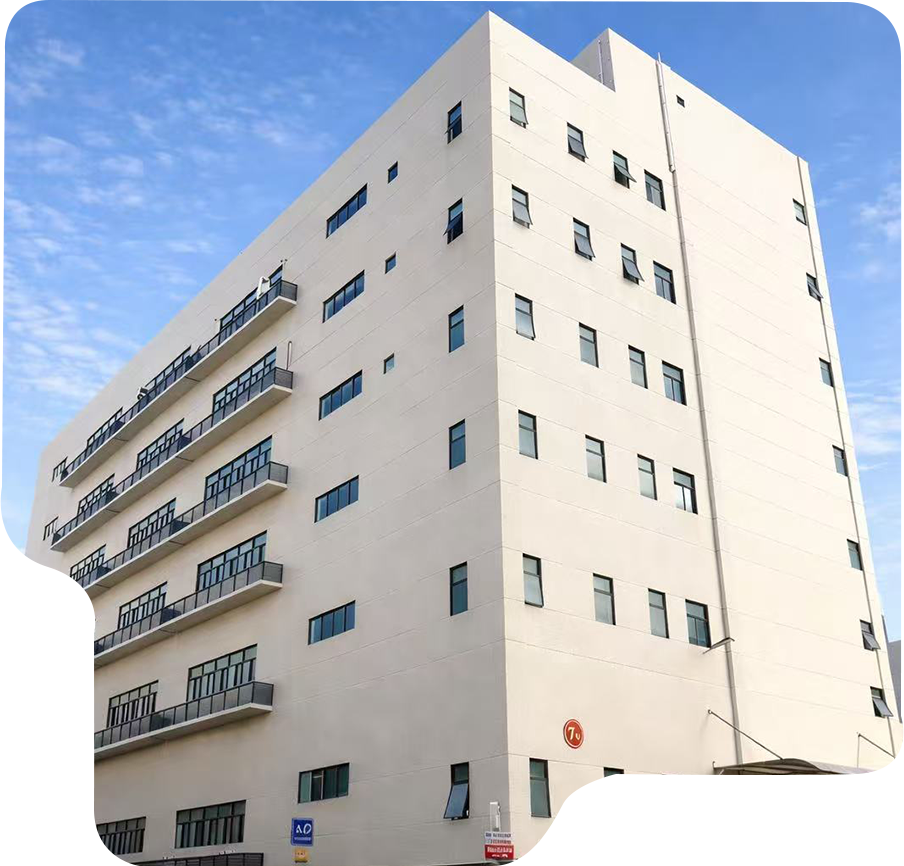
Shenzhen Yichun Electronic Automation Equipment Co., Ltd., founded in 2013, is a practical SMT production line solution provider and integrator focused on helping electronics manufacturers build stable and efficient manufacturing lines.
We specialize in SMT line planning, equipment integration, installation, and technical support based on real factory production requirements. Our solutions combine reliable SMT equipment with practical engineering experience to deliver cost-effective and easy-to-operate production lines for growing manufacturers.
Our main solutions include reflow ovens, wave soldering systems, SMT production lines, automatic printers, pick-and-place machines, and related peripheral equipment. Rather than focusing only on individual machines, we emphasize complete line configuration, factory layout optimization, and long-term operational stability.
Yichun Electronic operates a demonstration and training showroom used for equipment testing, solution verification, and customer visits, helping clients better understand production processes before implementation.
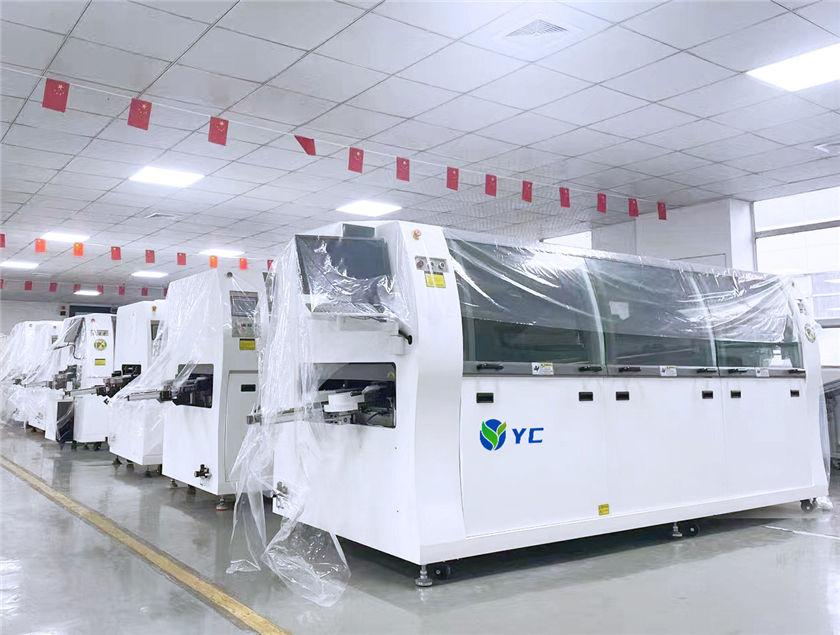
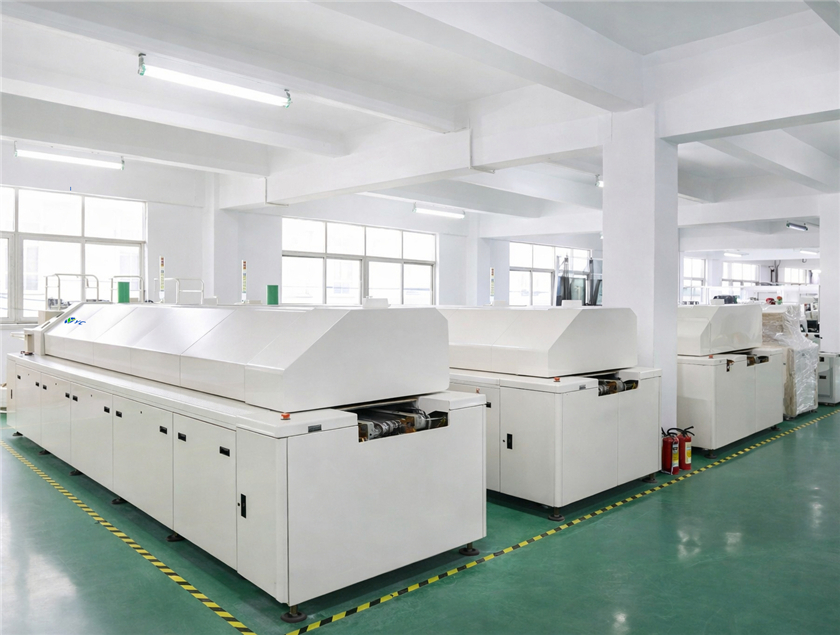
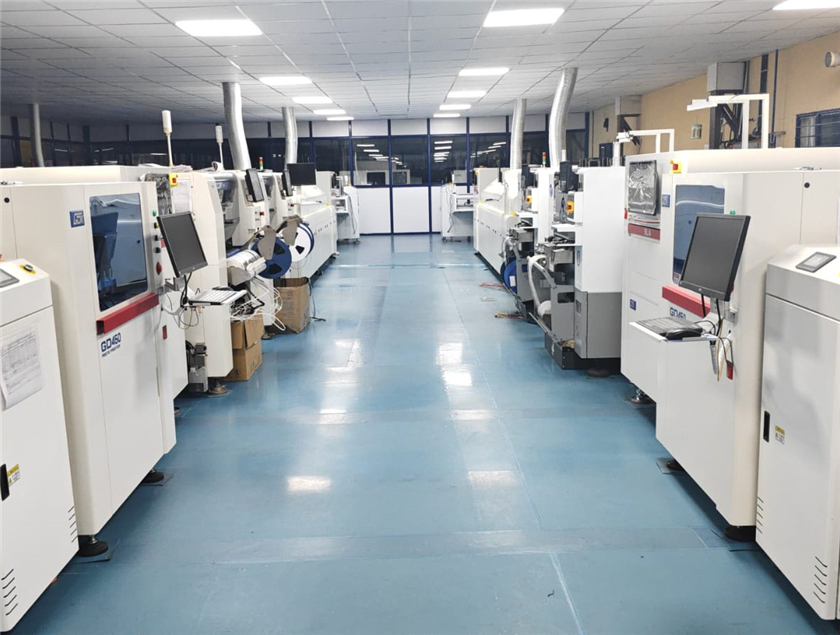
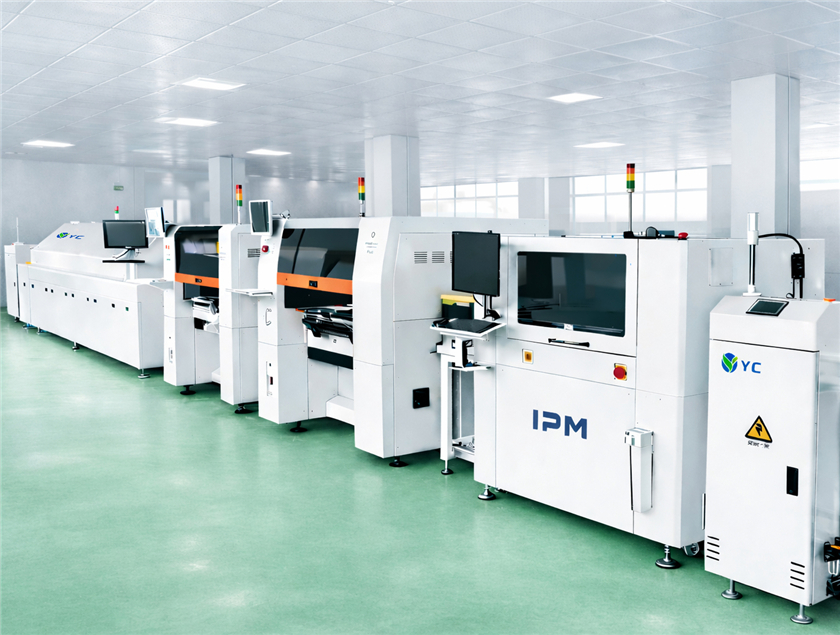
To provide practical, stable, and cost-effective SMT automation solutions that help electronics manufacturers improve productivity, maintain consistent product quality, and grow their manufacturing capabilities with confidence.
To become a reliable long-term SMT line integration partner for manufacturers seeking practical solutions, flexible equipment configurations, and dependable engineering support.
We focus on real production needs rather than theoretical configurations. From initial line planning to installation and long-term maintenance, our engineering team provides continuous support throughout the entire manufacturing lifecycle to ensure stable and efficient production.
Experience in configuring complete SMT production lines based on real factory requirements and production capacity targets.
Integration of reliable SMT equipment brands to create balanced solutions combining performance, stability, and cost efficiency.
On-site installation, operator training, and technical assistance to ensure smooth production startup and stable operation.
Remote and on-site support to quickly resolve equipment issues and minimize downtime.
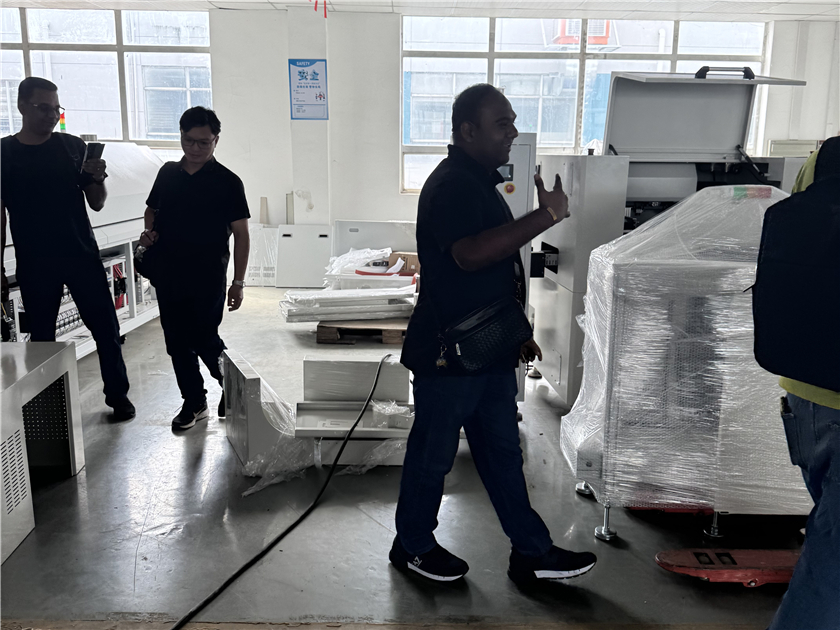
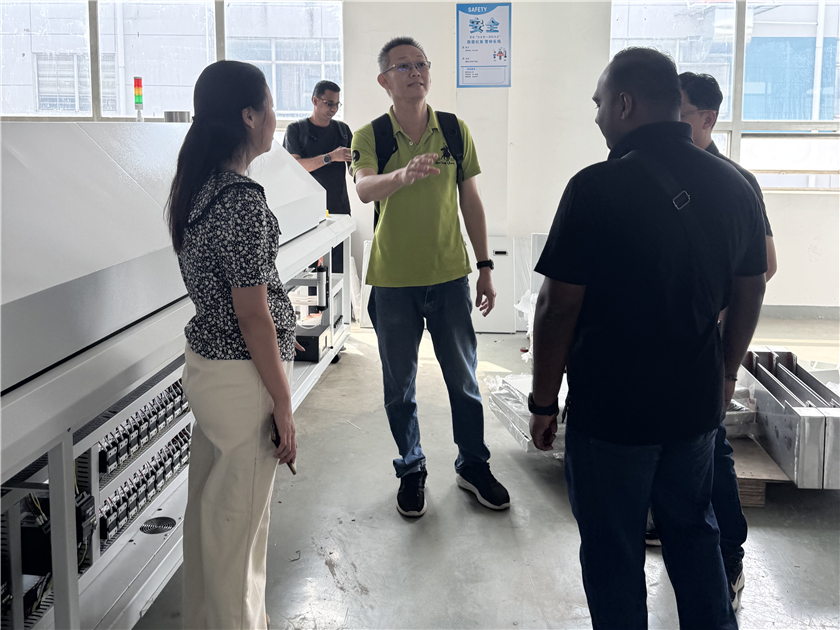
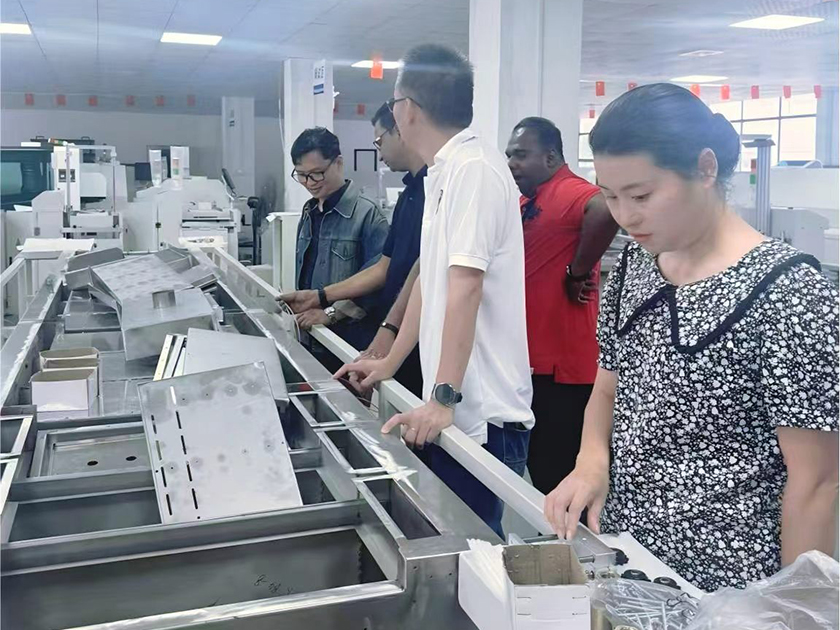
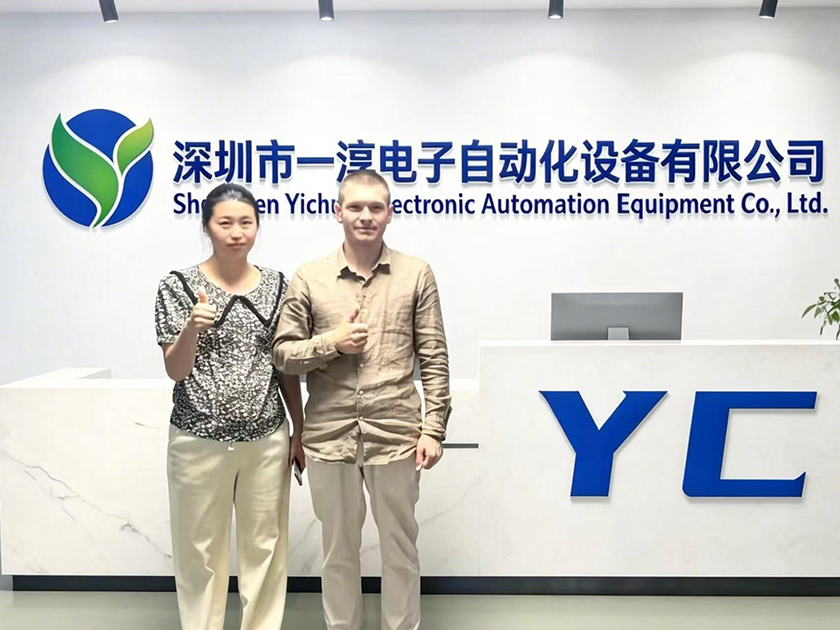
Our solutions are applied in consumer electronics, industrial control, communication products, and automotive electronics. We have supported SMT line projects in regions including Southeast Asia, South Asia, and Eastern Europe, providing installation, technical assistance, and ongoing service support.
Carefully selected equipment and key components designed for long-term continuous production environments.
Optimized thermal systems, conveyor structures, and line balancing improve throughput and reduce bottlenecks.
Energy-saving design concepts and intelligent control help reduce operating costs.
Clear software interfaces and practical design make training easier and reduce operator learning time.
Large wave soldering machines serve diverse electronic manufacturing sectors requiring high mechanical bond strength and heat dissipation.
ECU boards, power distribution modules, battery management systems (BMS), and EV onboard chargers requiring zero pin hole voids and high vibration resistance.
High-wattage SMPS, LED driver boards, solar inverters, and power grid relays built with thick copper layers (2oz–4oz) demanding long thermal dwell times.
Air conditioner power boards, washing machine controllers, and television mainboards with dense through-hole connector arrays and budget-conscious assembly cycles.
Heavy backplane boards, remote radio units (RRU), and base station power supply modules designed for extreme weather stability and 15-year operational lifespan.
Selecting the right cheap large wave soldering manufacturer requires evaluating factors beyond initial purchase price. Strategic procurement executives use a total cost of ownership model encompassing four core vectors:
Lead-free alloys rich in tin are highly corrosive to standard iron/steel pots. Ensure your manufacturer utilizes high-grade titanium (Ti) or ceramic-coated pots to guarantee a 10+ year lifespan without pot perforation.
Multi-layer PCBA boards extract immense thermal energy from the wave. Ensure the machine offers sufficient preheating tunnel length (min. 1.8m to 2.2m) with independently PID-controlled zones.
Heavy PCB carriers require heavy-duty titanium dual-hook transport fingers that prevent carrier deformation during wave contact while offering automated finger cleaning systems.
Instead of acting merely as a vendor, Shenzhen Yichun serves as a dedicated production line integrator. We evaluate your board dimensions, component densities, daily throughput targets, and budget to deliver turn-key SMT and wave soldering lines.
As smart factory technologies mature, the next generation of wave soldering systems is integrating Industry 4.0 connectivity, intelligent sensor feedback, and eco-friendly designs.
Modern wave soldering machines transmit real-time telemetry (solder temperature, wave height, conveyor speed, nitrogen flow) to Manufacturing Execution Systems (MES) via standardized protocol (SECS/GEM, OPC-UA) for complete quality traceability.
Optical and laser sensors dynamically monitor wave crest height. If pump speed variations occur due to solder level changes, automated feedback loops adjust impeller frequency to maintain absolute wave stability.
Enhanced thermal insulation jackets around solder pots and adaptive preheat zone standby modes reduce electricity consumption by up to 30% during production line pauses.
As electronics manufacturing continues to evolve, Yichun Electronic remains focused on delivering practical SMT line solutions that help manufacturers build reliable and efficient production capabilities. We believe stable equipment, realistic engineering design, and long-term technical support are the foundation of successful manufacturing operations.
Whether customers are setting up a new SMT line or optimizing an existing production process, our team is committed to providing straightforward, dependable solutions tailored to real factory needs. We look forward to building long-term partnerships with manufacturers seeking practical, cost-effective SMT production solutions.
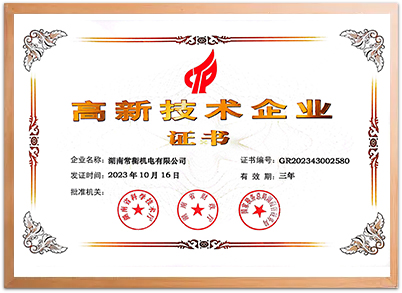
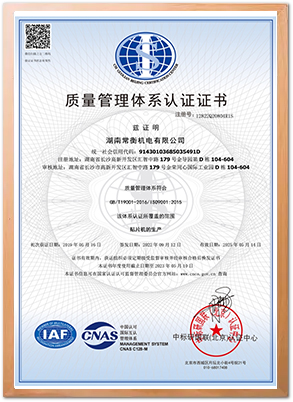
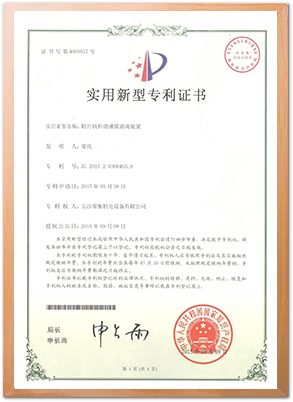
In-depth technical answers provided by our senior SMT line process engineers.
Large wave soldering machines typically feature conveyor widths ranging from 400mm up to 600mm, reinforced titanium finger transport systems to support heavy PCB carriers, multi-zone extended preheating tunnels (1.8m+), and enlarged solder pots (500kg+ capacity) to maintain thermal inertia during continuous heavy board processing.
Chinese manufacturers offer significant cost advantages (typically 40%–60% lower Capex than Western equipment brands) due to mature component supply chains in Shenzhen and optimized manufacturing. Integrators like Yichun provide complete line planning, pre-shipment line testing, direct OEM pricing, and ongoing technical support.
Lead-free soldering (e.g., SAC305) melts at higher temperatures (approx. 217°C–227°C vs 183°C for Sn63/Pb37). Lead-free machines require titanium solder pots to resist Sn corrosion, increased preheat thermal output, and fine-tuned cooling systems to avoid micro-cracking in solder joints.
Nitrogen is optional but highly beneficial for high-reliability electronics. Maintaining an oxygen level <500 ppm reduces dross generation by up to 70%, enhances flux wetting performance, improves hole fill percentages, and reduces bridge formation across high-density lead arrays.
Yichun provides comprehensive remote engineering support, video installation guidance, localized partner service in key markets (Southeast Asia, South Asia, Eastern Europe), and can dispatch technical support engineers directly to customer facilities for line commissioning and operator training.
Select from our range of intelligent PCB conveyors, pick and place machines, and SMT line unloader automation modules.
 Yichun Electronic