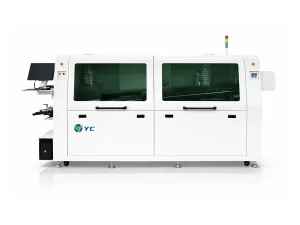
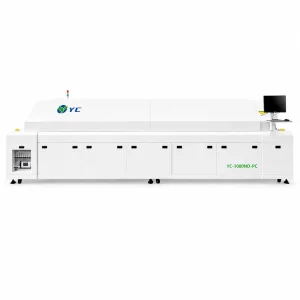
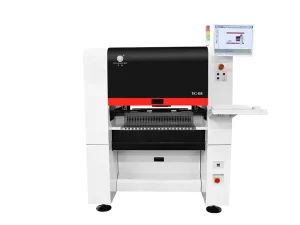
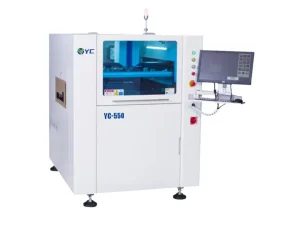
High-precision wave soldering machines, pick & place systems, and SMT peripheral automation direct from China factory source
Bridging the gap between high-mix low-volume flexibility and industrial zero-defect soldering standards
Transitioning to lead-free alloys such as SAC305 (Sn96.5Ag3.0Cu0.5) and Sn-Cu-X compounds has radically altered the physics of PCB Through-Hole Technology (THT) and Dual In-line Package (DIP) assembly. Traditional leaded solders melted at 183°C, whereas lead-free alternatives require operational pot temperatures between 255°C and 265°C. This temperature shift increases thermal stress on board substrates, elevates copper erosion risks, and accelerates dross oxidation.
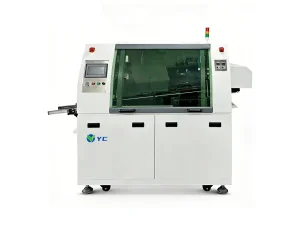
Small lead-free wave soldering machines engineered by premier Chinese OEMs provide a compact, highly controllable thermal environment designed to overcome these metallurgical barriers without forcing factories into excessive facility footprints or prohibitive capital expenditures.
Contrary to large multi-zone inline machines measuring over 4 meters, modern small lead-free wave soldering equipment (PCB width capabilities ranging from 150mm to 300mm) focuses on micro-zone thermal compensation, micro-drop spray fluxing, and specialized titanium alloy pot linings.
By integrating dynamic dual-wave turbulence—a smooth laminar main wave combined with a high-impact advective turbulence wave—small-footprint machinery delivers total pin wetting, complete hole fill, and zero bridging, even on high-density mixed SMT/DIP assemblies.
Detailed breakdown of mechanical, thermal, and fluid dynamics subsystems engineered for long-term production reliability
Utilizes step-motor-driven micro-drop nozzles or high-efficiency pneumatic atomization. The closed-loop control system automatically scans PCB width and conveyor speed, delivering a targeted, uniform layer of liquid flux (rosin or no-clean organic formulations) while preventing flux pooling and solvent evaporation inside the cabinet.
To prevent thermal shock and activate flux components efficiently, Chinese small wave machines integrate Far-Infrared (FIR) radiant tubes paired with forced hot-air convection. Independent multi-zone PID controllers maintain accurate temperature gradients, bringing multi-layer PCBs (up to 8-12 layers) smoothly to 110°C–140°C top-side temperature before solder wave contact.
Molten lead-free alloys aggressively erode standard iron or stainless steel pots. High-quality Chinese manufacturers employ pure cast titanium or anti-corrosive Ti-coated solder pots and dual wave nozzles. This guarantees zero iron contamination of the melt, extends equipment life beyond 10 years, and prevents solder leakage.
Comparative matrix analyzing Small Lead-Free Wave Soldering Systems versus Heavy Industrial & Selective Alternatives
| Performance Parameters | Small Lead-Free Wave Machine | Large In-Line Wave Machine | Selective Soldering Machine |
|---|---|---|---|
| PCB Width Capacity | 150 mm – 300 mm | 350 mm – 600 mm | 50 mm – 450 mm |
| Solder Pot Capacity (Kg) | 120 kg – 220 kg | 450 kg – 700 kg | 15 kg – 30 kg |
| Preheat System Zones | 1 to 2 Micro-Zones (IR/Convection) | 3 to 5 Full-Length Zones | 1 Focused Point Zone |
| Power Consumption (Startup/Running) | 9.5 kW / 3.5 kW (Energy Saver) | 35 kW / 12 kW | 6 kW / 2.5 kW |
| Production Throughput | Medium - High (0.8 - 1.6 m/min) | Very High (1.2 - 2.2 m/min) | Low - Medium (Point-to-Point) |
| Footprint Dimensions | Compact (~1.8m x 1.1m x 1.4m) | Large (~4.5m x 1.5m x 1.6m) | Medium (~2.2m x 1.4m x 1.5m) |
| CAPEX & Maintenance TCO | Optimal Balance / Fast ROI | High Capital Investment | High Nozzle Maintenance Cost |
Why global electronics OEMs partner directly with Shenzhen wave soldering equipment manufacturers
China's Pearl River Delta SMT equipment cluster provides immediate access to world-class industrial components—from Omron PLC controllers and Schneider electrical protection modules to grade-5 titanium machining hubs. This dense ecosystem enables Chinese manufacturers like Yichun to rapidly iterate thermal designs, lower procurement overhead, and pass maximum cost savings directly to overseas buyers.
Global buyers rarely require identical off-the-shelf machinery. Whether your DIP assembly line requires extended dual preheating modules for heavy copper PCBs, specialized finger conveyors (titanium L-fingers or dual-hook V-fingers), or customized nitrogen blanket hoods, Chinese OEM factories offer modular mechanical and electrical engineering customization in days rather than months.
Leading wave soldering factories execute continuous 72-hour high-temperature thermal stress testing, solder pot wave height fluid dynamics testing, and electrical safety validation under ISO9001 protocols before dispatch. Every machine leaves the factory factory-calibrated for immediate plug-and-play installation.
By combining lean assembly techniques with direct factory-to-buyer export models, Chinese manufacturers deliver premium lead-free wave soldering machines at 40% to 60% lower CAPEX compared to traditional European or North American machinery brands, allowing electronics producers to achieve full equipment payback within 6 to 9 months.
Scalable DIP assembly solutions designed for diverse global electronic sectors
Optimized for fast-turnaround assembly of power supply units, smart lighting ballast circuits, and appliance control boards. Features quick-change flux nozzles and high-velocity cooling fans to deliver pristine solder joints without board warping.
Heavy-duty copper PCBs used in motor drives and solar inverters demand high heat capacity. Integrated forced-air preheating zones combined with nitrogen-shielded wave pots ensure complete solder pin penetration (PTH barrel fill > 85%) on multi-layer copper power boards.
Meeting stringent IPC-A-610 Class 3 soldering reliability. Small lead-free wave soldering machines equipped with real-time temperature profile monitoring and automatic solder pot level sensors eliminate cold solder joints and voids in critical automotive assemblies.
Strategic decision frameworks for procurement managers and factory operation leaders
When procuring wave soldering equipment, smart factory managers look beyond initial purchase price. Operating costs over a 5-year cycle are dominated by solder alloy dross formation, electricity consumption, and flux consumption.
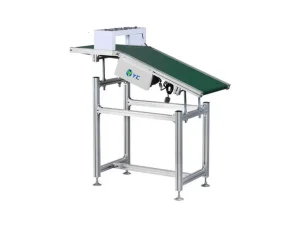
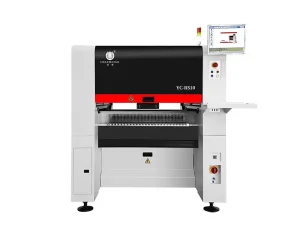
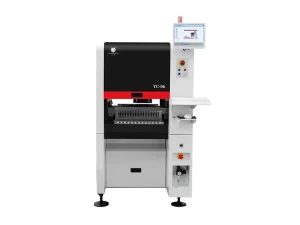
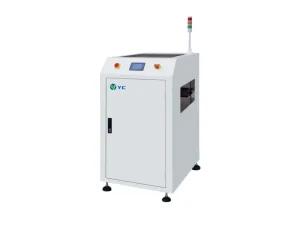
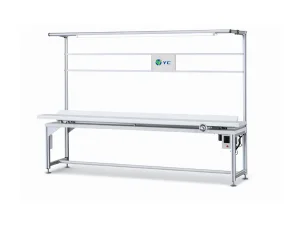
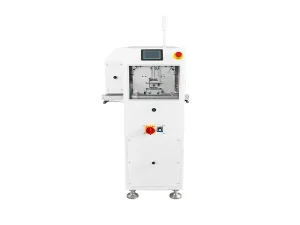
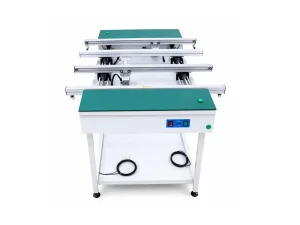
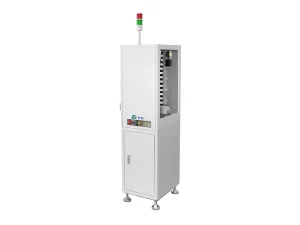
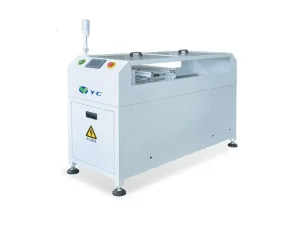
A small wave soldering machine must integrate seamlessly with existing production assets. Utilizing standard SMEMA communications protocols, automated PCB conveyors, turners, wave unloader modules, and pick-and-place equipment allow factories to construct cohesive hybrid SMT/DIP lines with minimal manual labor interventions.
Ensuring seamless international deployment with rigorous international safety and environmental certifications
All exported wave soldering machines strictly adhere to European CE safety mandates, including low-voltage directives (LVD), electromagnetic compatibility (EMC), emergency stop safety loops, and integrated exhaust ventilation interlocks.
Constructed entirely with non-toxic, lead-free compliant materials, guaranteeing that no heavy metal contaminants enter your lead-free production ecosystem during processing or routine maintenance.
Supported by remote IoT diagnostic portals, video commissioning, and localized engineer deployment networks across Southeast Asia, South Asia, Eastern Europe, and South America for rapid troubleshooting and spare part dispatch.
Pioneering the next generation of smart wave soldering systems powered by AI & Industrial IoT
Integrating optical and acoustic sensors to dynamically measure solder wave height and contact time in real-time, automatically adjusting motor pump RPM to compensate for alloy level fluctuations and component lead lengths.
Machine learning algorithms monitoring heater resistance degradation, pump motor vibration patterns, and flux density metrics to alert operators before equipment failures occur, ensuring zero unplanned line downtime.
Advanced preheater design engineered specifically to evaporate water-based (VOC-free) fluxes cleanly, eliminating flux spatter and meeting stringent global carbon-neutral manufacturing regulations.
Shenzhen Yichun Electronic Automation Equipment Co., Ltd., founded in 2013, is a practical SMT production line solution provider and integrator focused on helping electronics manufacturers build stable and efficient manufacturing lines.
We specialize in SMT line planning, equipment integration, installation, and technical support based on real factory production requirements. Our solutions combine reliable SMT equipment with practical engineering experience to deliver cost-effective and easy-to-operate production lines for growing manufacturers.
Our main solutions include reflow ovens, wave soldering systems, SMT production lines, automatic printers, pick-and-place machines, and related peripheral equipment. Rather than focusing only on individual machines, we emphasize complete line configuration, factory layout optimization, and long-term operational stability.
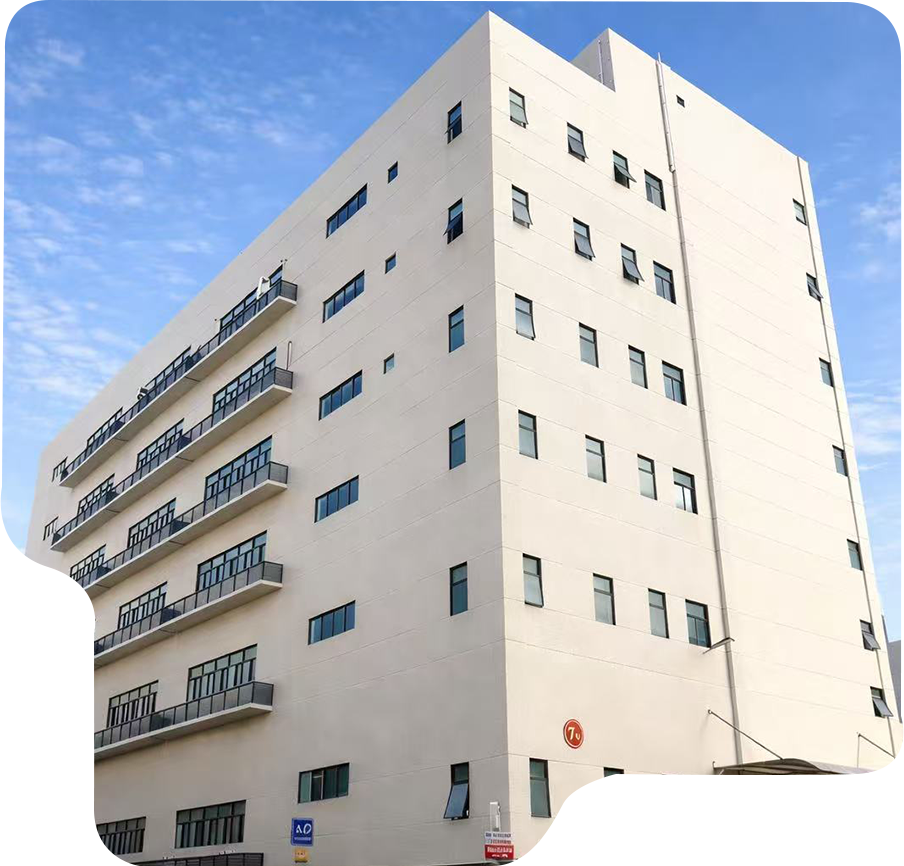
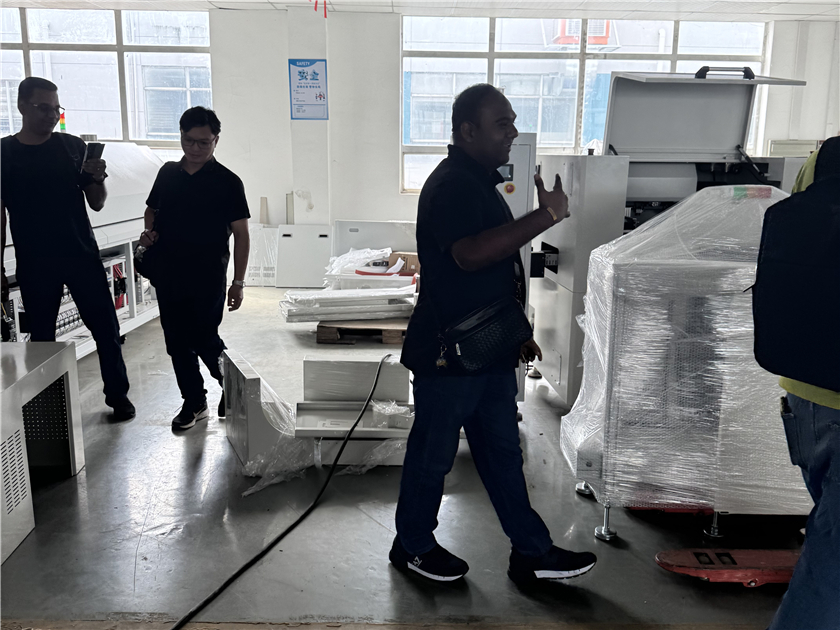
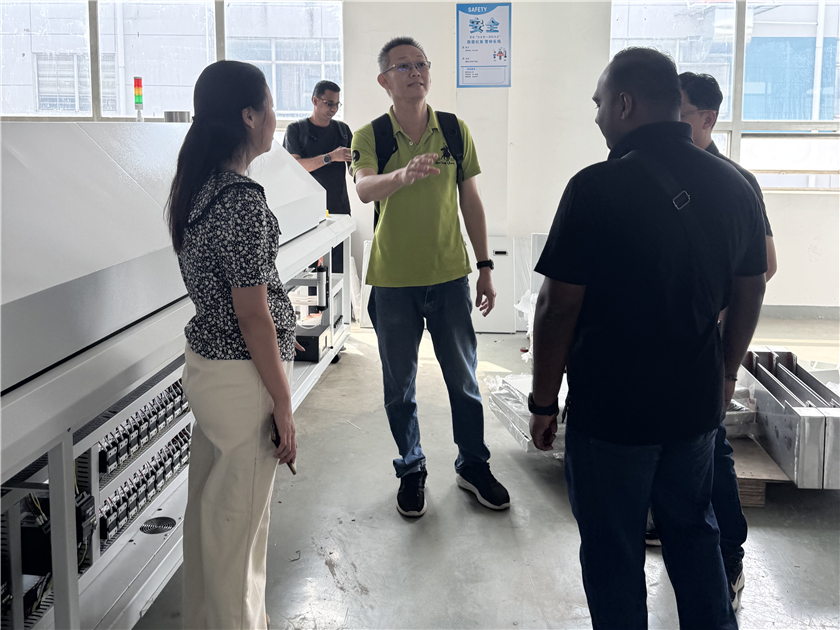
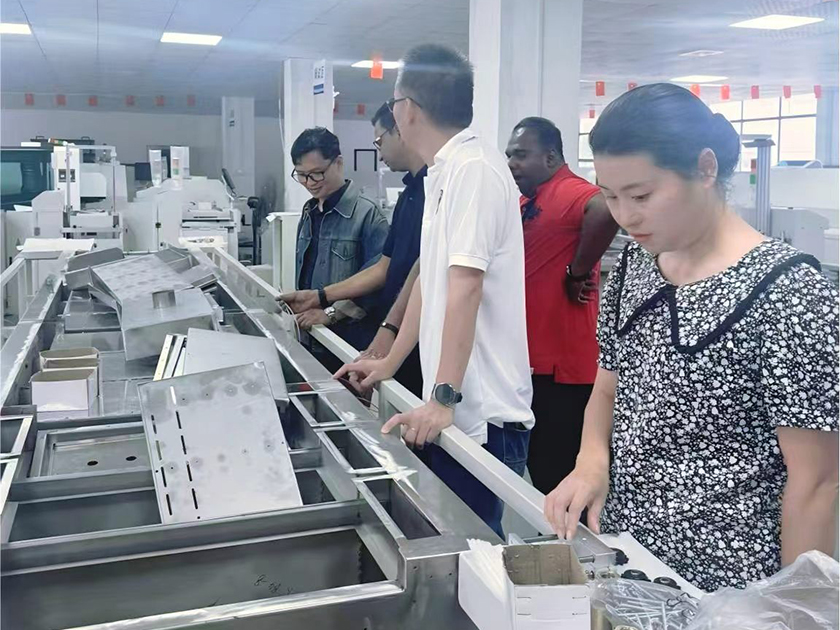
Yichun Electronic operates a demonstration and training showroom used for equipment testing, solution verification, and customer visits, helping clients better understand production processes before implementation.
Our solutions are applied in consumer electronics, industrial control, communication products, and automotive electronics. We have supported SMT line projects in regions including Southeast Asia, South Asia, and Eastern Europe, providing installation, technical assistance, and ongoing service support.
To provide practical, stable, and cost-effective SMT automation solutions that help electronics manufacturers improve productivity, maintain consistent product quality, and grow their manufacturing capabilities with confidence.
To become a reliable long-term SMT line integration partner for manufacturers seeking practical solutions, flexible equipment configurations, and dependable engineering support.
We focus on real production needs rather than theoretical configurations. From initial line planning to installation and long-term maintenance, our engineering team provides continuous support throughout the entire manufacturing lifecycle to ensure stable and efficient production.
Experience in configuring complete SMT production lines based on real factory requirements and production capacity targets.
Integration of reliable SMT equipment brands to create balanced solutions combining performance, stability, and cost efficiency.
On-site installation, operator training, and technical assistance to ensure smooth production startup and stable operation.
Remote and on-site support to quickly resolve equipment issues and minimize downtime.
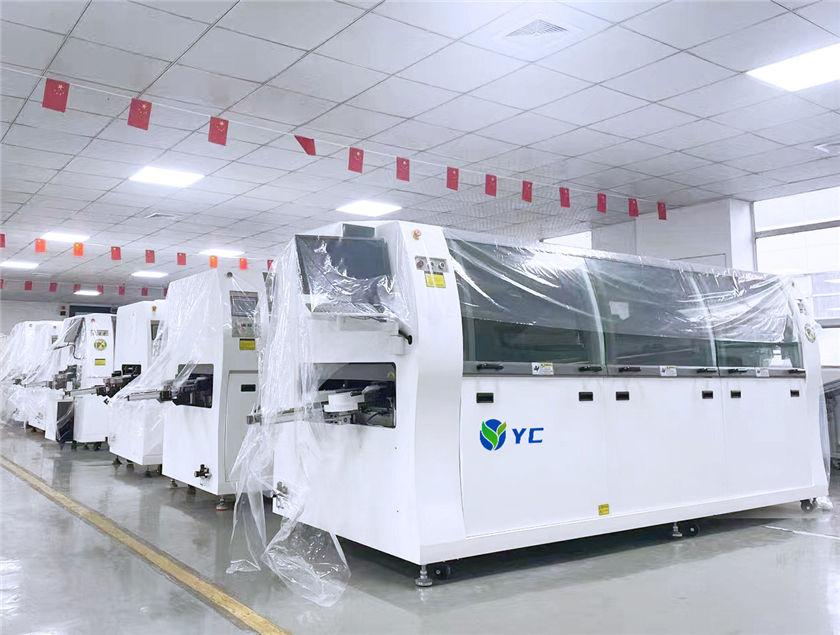
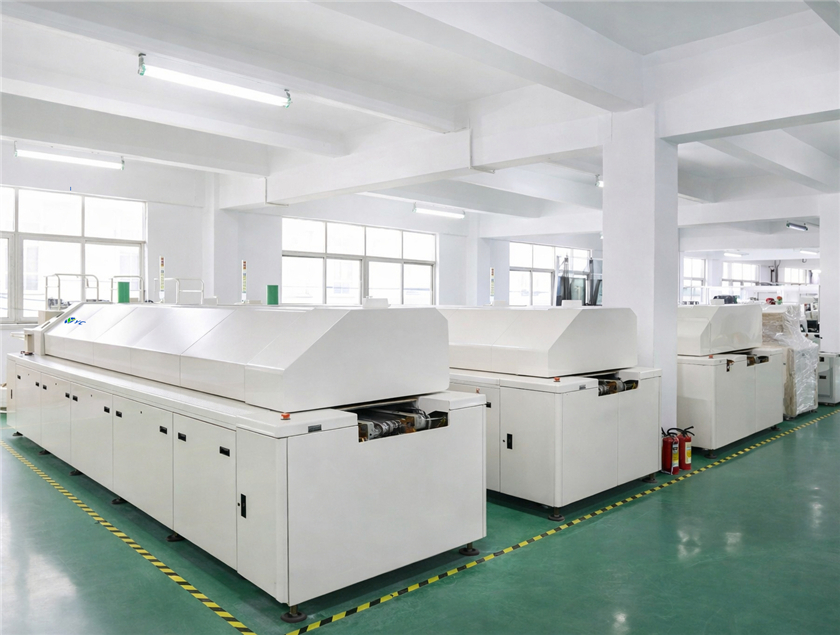
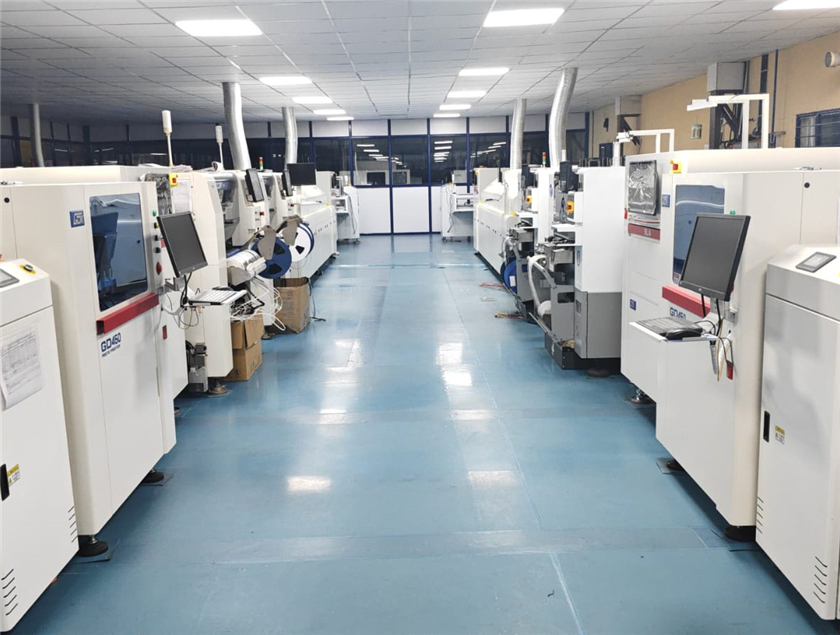
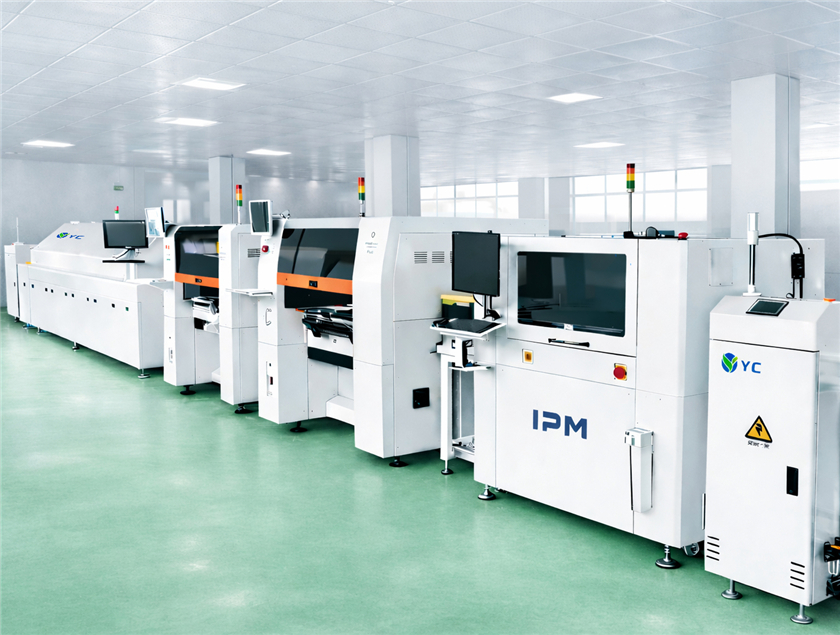
Carefully selected equipment and key components designed for long-term continuous production environments.
Optimized thermal systems, conveyor structures, and line balancing improve throughput and reduce bottlenecks.
Energy-saving design concepts and intelligent control help reduce operating costs.
Clear software interfaces and practical design make training easier and reduce operator learning time.
As electronics manufacturing continues to evolve, Yichun Electronic remains focused on delivering practical SMT line solutions that help manufacturers build reliable and efficient production capabilities. We believe stable equipment, realistic engineering design, and long-term technical support are the foundation of successful manufacturing operations.
Whether customers are setting up a new SMT line or optimizing an existing production process, our team is committed to providing straightforward, dependable solutions tailored to real factory needs. We look forward to building long-term partnerships with manufacturers seeking practical, cost-effective SMT production solutions.
Expert technical answers addressing lead-free wave soldering machinery, process parameters, and purchasing considerations
Bridging is minimized through a combination of precise flux atomization, optimized conveyor angle adjustment (typically 4° to 7°), and dual-wave dynamics. The first turbulent wave breaks surface tension and drives solder into plated through-holes, while the second smooth laminar wave gently peels excess molten solder away from fine-pitch pins before cooling.
Lead-free alloys contain high concentrations of tin (Sn > 95%), which reacts aggressively with standard iron and stainless steel at temperatures above 250°C, causing pot erosion and tin-iron intermetallic contamination. Titanium (Ti) alloys resist lead-free molten solder corrosion, guaranteeing process purity and extending machine lifespan beyond a decade.
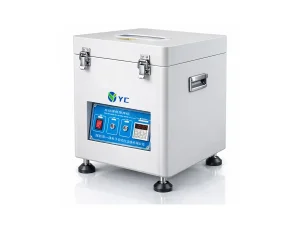
Direct China factory sourcing delivers significantly lower initial capital expenditure (CAPEX), fast engineering customization, direct access to complete SMT peripheral ecosystems (conveyors, unloaders, mixers), and rapid replacement part supply. OEM integrators like Yichun provide complete turnkey line configuration backed by practical factory experience.
Yes. Injecting nitrogen (N2) to maintain oxygen levels below 500 PPM inside the wave chamber dramatically reduces alloy dross oxidation by up to 40-50%, improves solder wetting speed, widens the process window for complex PCBs, and leaves cleaner boards with minimal residue.
Daily routines include skimming solder dross from the pot surface, cleaning the spray fluxer nozzle, and emptying exhaust filter trays. Weekly routines involve checking conveyor finger cleanliness, lubricating drive chains with high-temp synthetic oil, and validating preheater IR sensor calibrations.
Absolutly. For double-sided hybrid assemblies (SMD components glued on the bottom side and DIP components inserted on top), the dual-wave system ensures bottom-side SMDs pass through the turbulent wave for complete fillet creation without dislodging components, provided appropriate thermal preheating is applied.
Explore our full catalog of automation conveyors, cleaning systems, and board handling modules
 Yichun Electronic