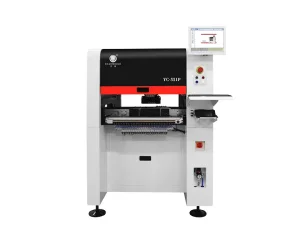
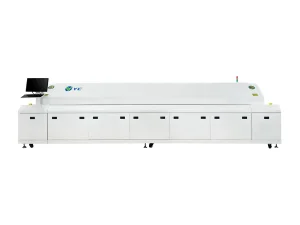
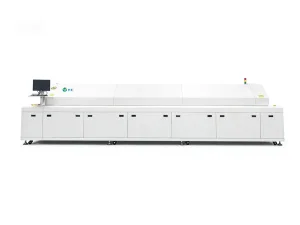
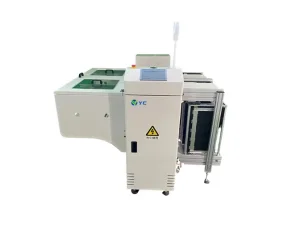
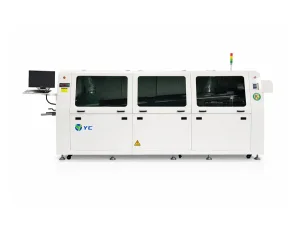
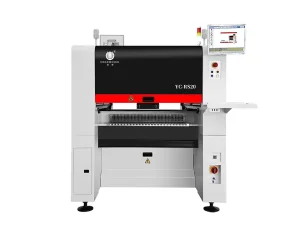
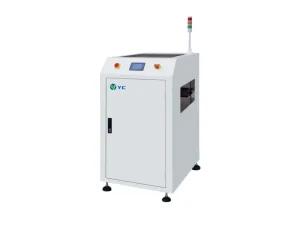
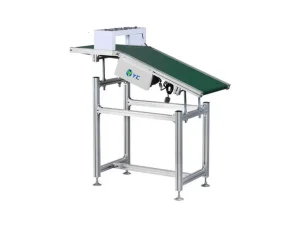
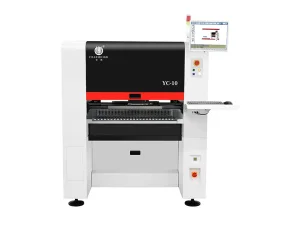
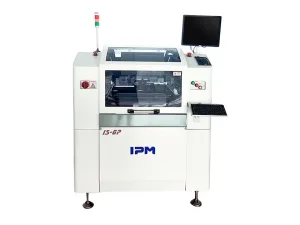
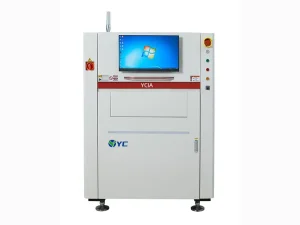
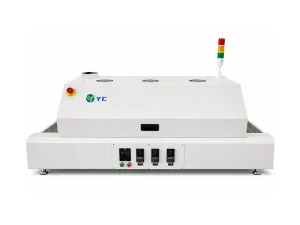
Explore our premium range of factory-certified reflow ovens, pick-and-place systems, and automated line handling machinery.
In modern electronic manufacturing, the surface mount technology (SMT) assembly line represents the backbone of microelectronic component integration. Among the critical phases of SMT—paste printing, component placement, and thermal reflow—the reflow soldering process dictates the ultimate mechanical and electrical integrity of the printed circuit board assembly (PCBA).
As global industries transition toward 5G infrastructure, advanced driver-assistance systems (ADAS) in automotive electronics, and high-density semiconductor packaging (System-in-Package, SiP), the demands placed on SMT reflow ovens have expanded exponentially. Benchmark systems like the famous Reflow Oven Heller series have set worldwide industry standards for forced convection thermal management, multi-zone atmosphere control, and energy efficiency.
As a leading SMT factory direct integrator and exporter, Shenzhen Yichun Electronic Automation Equipment Co., Ltd. bridges global engineering excellence with practical line implementation. We analyze industry-standard thermal performance benchmarks—such as Heller’s multi-zone nitrogen-purged convection technology—and deploy custom-tailored SMT reflow oven configurations that maximize thermal stability while drastically lowering operation costs.
Understanding the physics behind peak thermal uniformity, minimal thermal gradient (ΔT), and atmospheric purity during lead-free soldering.
Maintaining a uniform temperature across complex board geometries with mixed thermal masses (e.g., tiny 0201 chips adjacent to heavy copper BGAs) is paramount. Advanced Heller-style reflow ovens utilize ultra-responsive multi-zone blower modules to deliver horizontal convection currents. This preserves a temperature Delta T below 1.5°C across the board, preventing tombstoning, voiding, and uneven wetting.
To eliminate oxidation during the liquidus phase of lead-free alloys (such as SAC305), nitrogen purging environments maintain oxygen concentration levels under 100-300 PPM. Integrated atmosphere recirculation loops optimize gas management, lowering total N2 consumption by up to 40% while enhancing joint solderability and intermetallic compound (IMC) formation.
For high-reliability power semiconductors and automotive ECUs, standard reflow leaves 5% to 15% solder voids. Integrating a vacuum chamber unit inside the peak thermal zone allows gas bubbles to escape while the solder remains molten. This yields void ratios consistently below 1%, drastically improving thermal dissipation and joint lifetime.
A practical SMT production line solution provider and integrator focused on helping electronics manufacturers build stable and efficient manufacturing lines.
Founded in 2013, Shenzhen Yichun Electronic Automation Equipment Co., Ltd. specializes in SMT line planning, equipment integration, installation, and technical support based on real factory production requirements. Our solutions combine reliable SMT equipment with practical engineering experience to deliver cost-effective and easy-to-operate production lines for growing manufacturers globally.
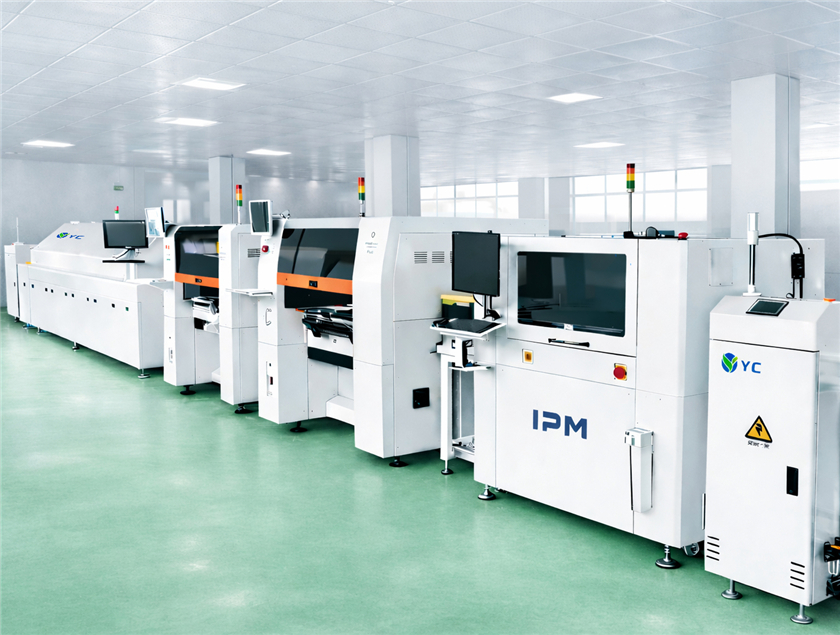
Our main solutions include reflow ovens (including famous Heller-standard thermal profile lines), wave soldering systems, SMT production lines, automatic printers, pick-and-place machines, and related peripheral equipment. Rather than focusing only on individual machines, we emphasize complete line configuration, factory layout optimization, and long-term operational stability.
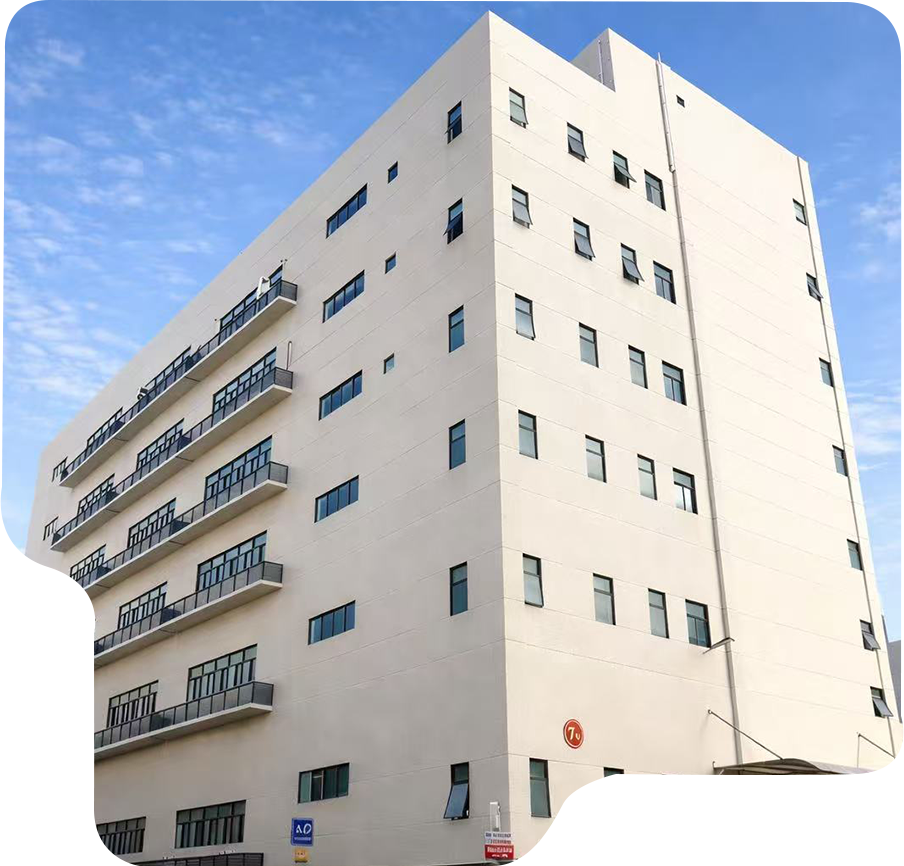
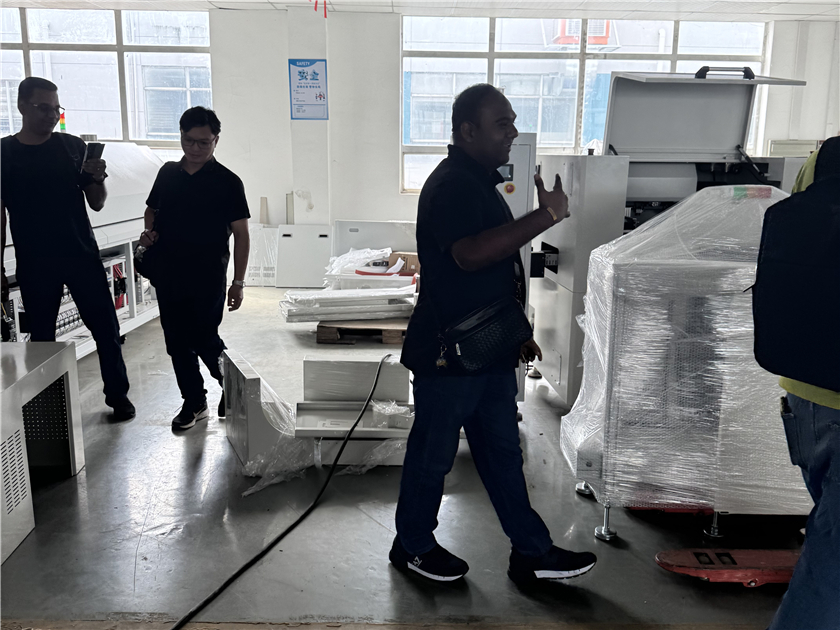
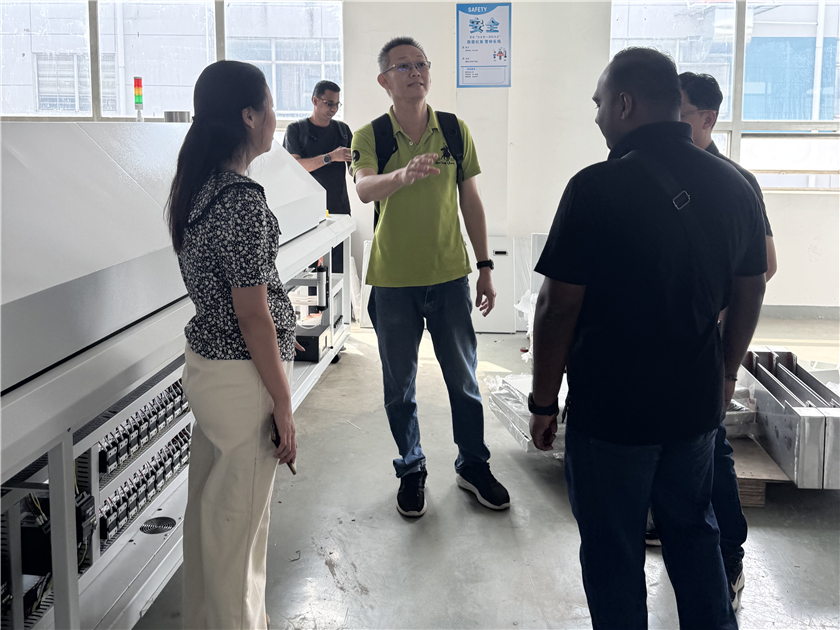
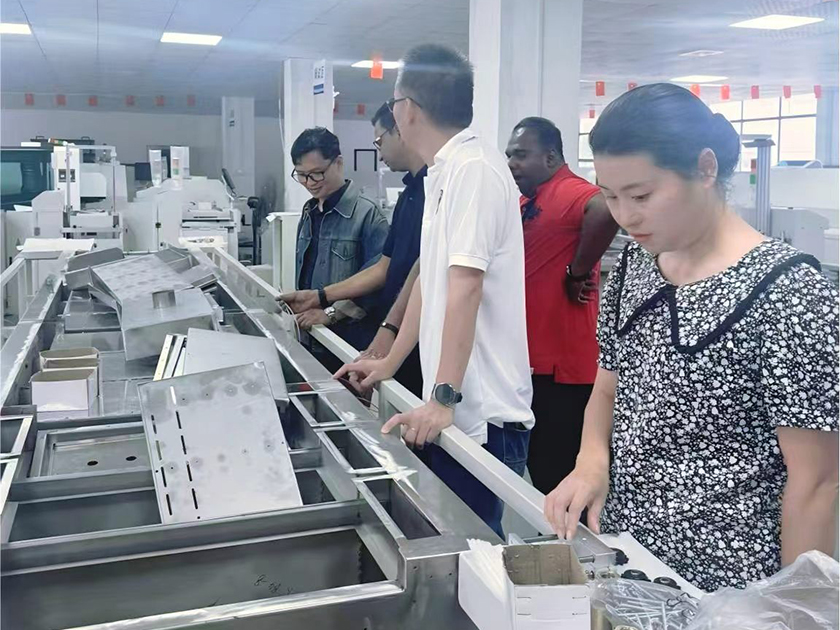
Yichun Electronic operates a demonstration and training showroom used for equipment testing, solution verification, and customer visits, helping clients better understand production processes before implementation.
To provide practical, stable, and cost-effective SMT automation solutions that help electronics manufacturers improve productivity, maintain consistent product quality, and grow their manufacturing capabilities with confidence.
To become a reliable long-term SMT line integration partner for manufacturers seeking practical solutions, flexible equipment configurations, and dependable engineering support.
We focus on real production needs rather than theoretical configurations. From initial line planning to installation and long-term maintenance, our engineering team provides continuous support throughout the entire manufacturing lifecycle to ensure stable and efficient production.
Experience in configuring complete SMT production lines based on real factory requirements and production capacity targets.
Integration of reliable SMT equipment brands to create balanced solutions combining performance, stability, and cost efficiency.
On-site installation, operator training, and technical assistance to ensure smooth production startup and stable operation.
Remote and on-site support to quickly resolve equipment issues and minimize downtime.
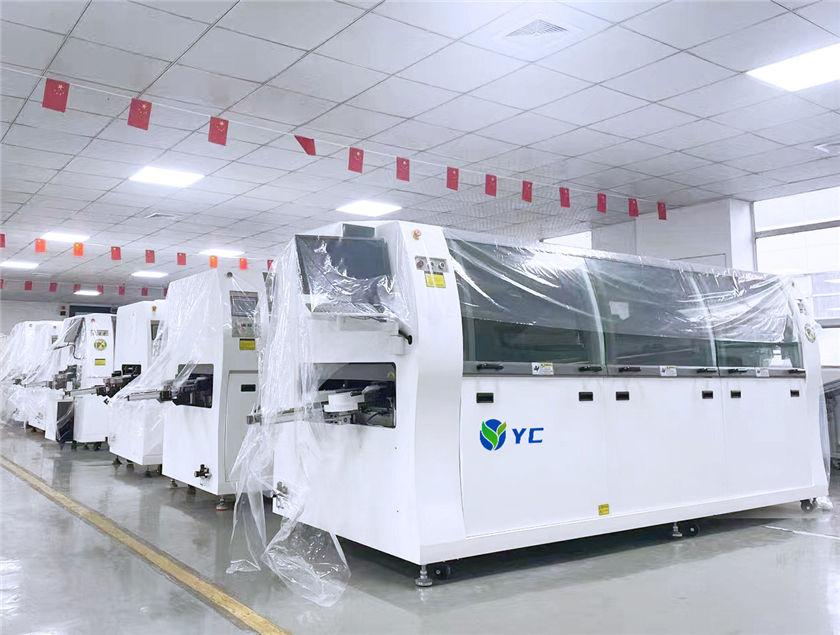
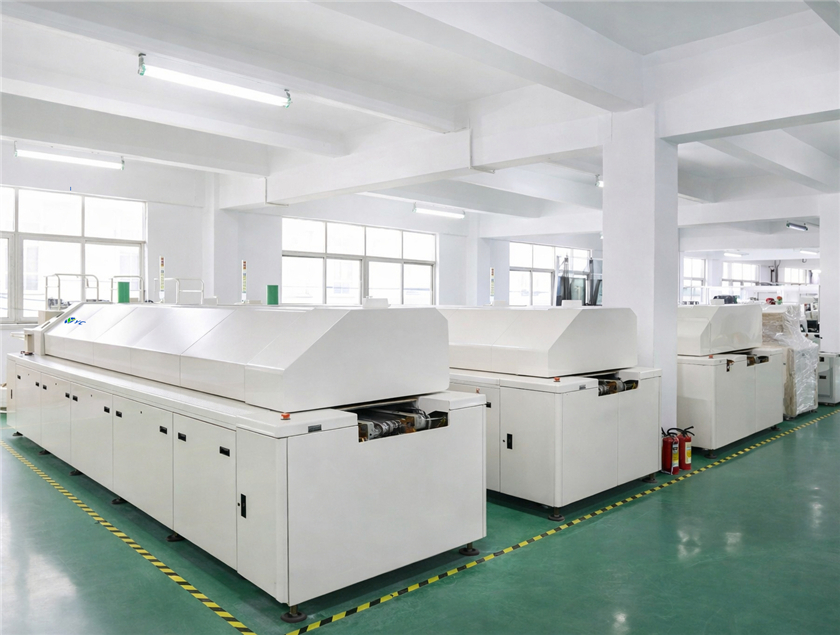
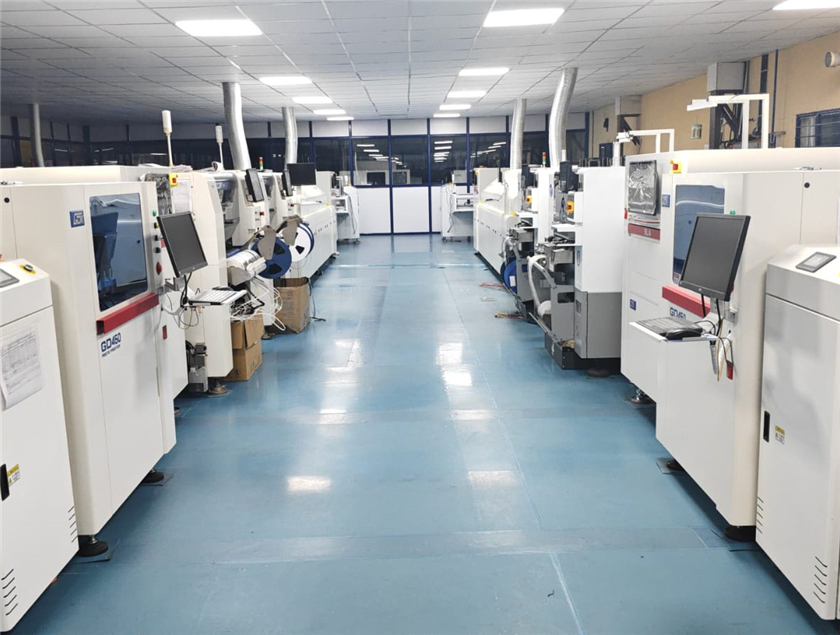
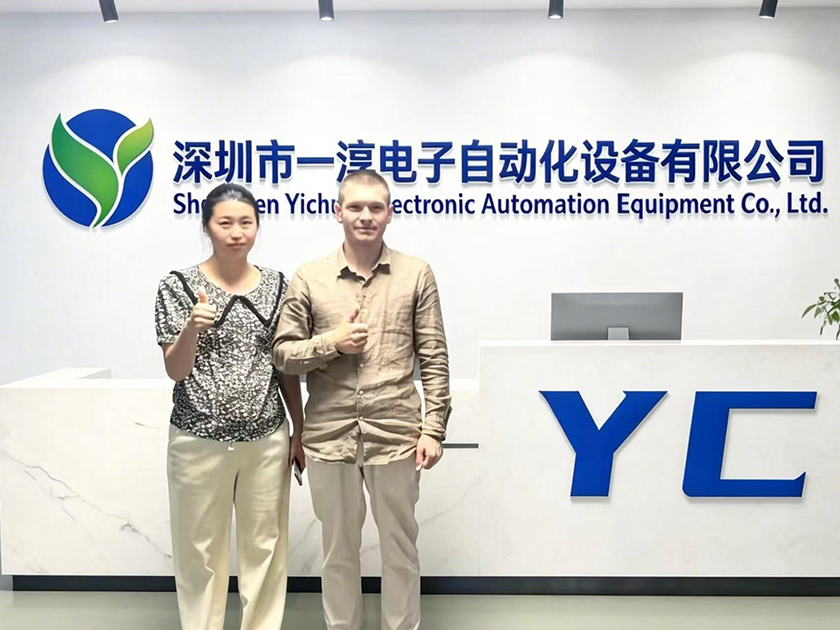
Why Tier-1 and growing electronics manufacturers rely on Yichun integrated thermal solutions:
Exploring the next frontier of SMT thermal management: Industry 4.0 MES integration, dynamic profiling, and zero-defect soldering.
Modern smart factories require reflow ovens to communicate natively with shop floor controllers via IPC-HERMES-9852 and IPC-CFX standards. Integrated thermal profiling systems (such as real-time continuous profiling sensors) continuously send temperature and conveyor speed telemetry back to the oven controller, adjusting heater zone output automatically to compensate for environmental temperature shifts.
In high-end semiconductor packaging and power module fabrication, flux residues pose electrical reliability risks. The integration of formic acid (HCOOH) gas injection into specialized reflow systems reduces metal oxides directly into pure metal and harmless vapor, eliminating flux deposition and post-soldering cleaning cycles entirely.
To support global carbon neutral mandates, electronics brands are rapidly adopting low-temperature solder alloys (such as Sn-Bi system variants with melting points around 138°C–170°C). Modern reflow ovens engineered by top manufacturers feature ultra-fine zone cooling and precise low-temp preheating stages to prevent joint brittleness and component thermal stress.
Delivering tailored reflow thermal profiles across diverse high-tech electronics sectors.
Automotive PCBA manufacturing (such as ADAS radar units, battery management systems BMS, and main engine control units ECU) operates under strict zero-defect policies (AEC-Q100). These boards feature heavy copper layers (up to 4-6 oz) requiring immense thermal energy.
5G base station transceiver boards and server motherboards are thick, multi-layered (18+ layers), and packed with large array BGAs, shields, and high-frequency connectors.
Miniaturization in wearable devices and mobile phones relies on System-in-Package (SiP) modules where micro-passives (01005 / 03015) are placed micro-millimeters apart.
For high-throughput lines producing TV mainboards, smart home controllers, and IoT sensors, cost per unit and overall energy consumption are key metrics.
As electronics manufacturing continues to evolve, Yichun Electronic remains focused on delivering practical SMT line solutions that help manufacturers build reliable and efficient production capabilities. We believe stable equipment, realistic engineering design, and long-term technical support are the foundation of successful manufacturing operations.
Whether customers are setting up a new SMT line or optimizing an existing production process, our team is committed to providing straightforward, dependable solutions tailored to real factory needs. We look forward to building long-term partnerships with manufacturers seeking practical, cost-effective SMT production solutions.
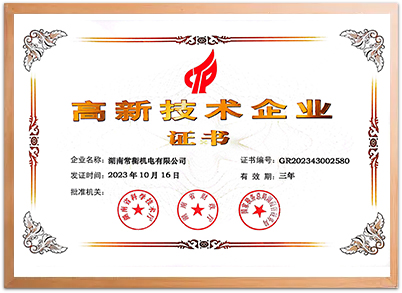
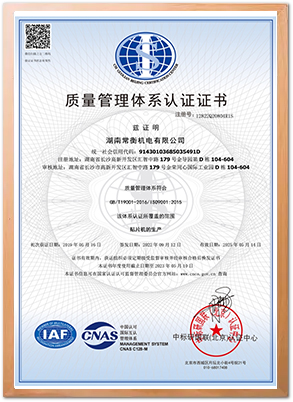
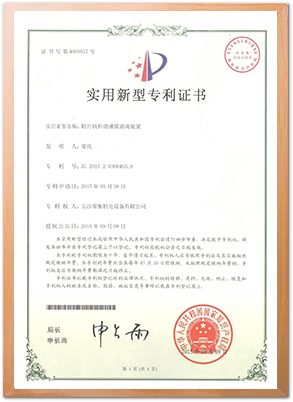
Addressing key engineering, operational, and purchasing considerations for global buyers and factory managers.
Heller Reflow Ovens are globally renowned for introducing advanced forced convection technology, exceptionally low Delta T (ΔT) performance across complex PCB assemblies, low nitrogen (N2) consumption rates, and robust maintenance-free flux management systems. They provide consistent thermal profiles essential for high-yield lead-free soldering.
Shenzhen Yichun Electronic integrates top-tier heating components, high-precision thermal sensors, and dual-rail conveyor mechanisms. Our engineering team conducts rigorous thermal profiling using multi-channel dataloggers (like KIC or ECD) to verify temperature uniformity, soak profile tuning, and TAL (Time Above Liquidus) settings before final factory deployment.
Standard convection reflow leaves air trapped inside the solder matrix, causing 5% to 15% void ratios. In high-power applications, these voids block heat dissipation, leading to localized hotspots and early thermal failure. A vacuum chamber module evacuates air pockets during the liquidus phase, bringing void rates down under 1% for superior component durability.
For standard prototyping and low-density boards, 6 to 8 heating zones may suffice. However, for double-sided high-density lead-free PCB assemblies, 10-zone or 12-zone reflow ovens are recommended. Additional heating zones allow a gradual preheat profile, precise peak reflow control, and controlled cooling, which minimizes thermal stress on sensitive components.
With routine flux filtration cleaning, blower motor lubrication, and regular conveyor chain tensioning, high-quality reflow ovens operate reliably for 10 to 15+ years. Yichun offers fast-response remote support and spare parts supply to maintain continuous uptime across global client factories.
Inverters, board handling automation, solder dispensers, SPI units, and prototyping reflow systems.
 Yichun Electronic