Explore our core SMT automation lineup including precision PCB inverters, placement systems, reflow ovens, and quality inspection units.
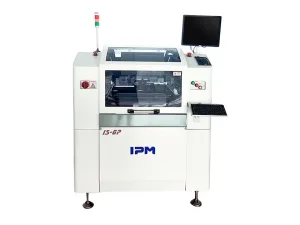
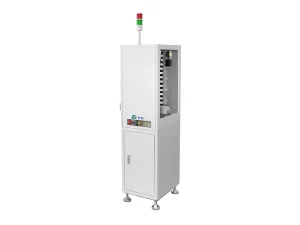
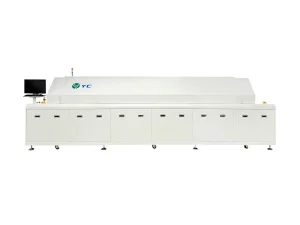
In high-density Surface Mount Technology (SMT) production, double-sided Printed Circuit Board Assembly (PCBA) has transitioned from an advanced manufacturing option to a global industry standard. As electronic products demand higher functional integration in smaller form factors—such as automotive ECU units, 5G infrastructure telecom blades, and smart medical wearables—electronics manufacturing services (EMS) providers require flawless inline board reversal mechanism.
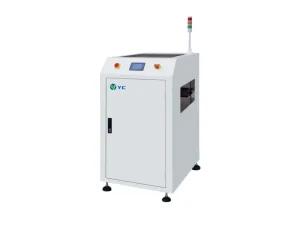
An SMT PCB Inverter (commonly known as a PCB flipper or board inversion machine) serves as a critical automated transfer station within continuous SMT assembly lines. Positioned between primary reflow soldering and secondary side stencil printing, or prior to 3D Automated Optical Inspection (AOI), an engineering-grade SMT inverter receives circuit boards from upstream equipment, securely clamps them using ESD-safe edge grippers, rotates them 180 degrees along a controlled axis, and smoothly transfers them to downstream production units.
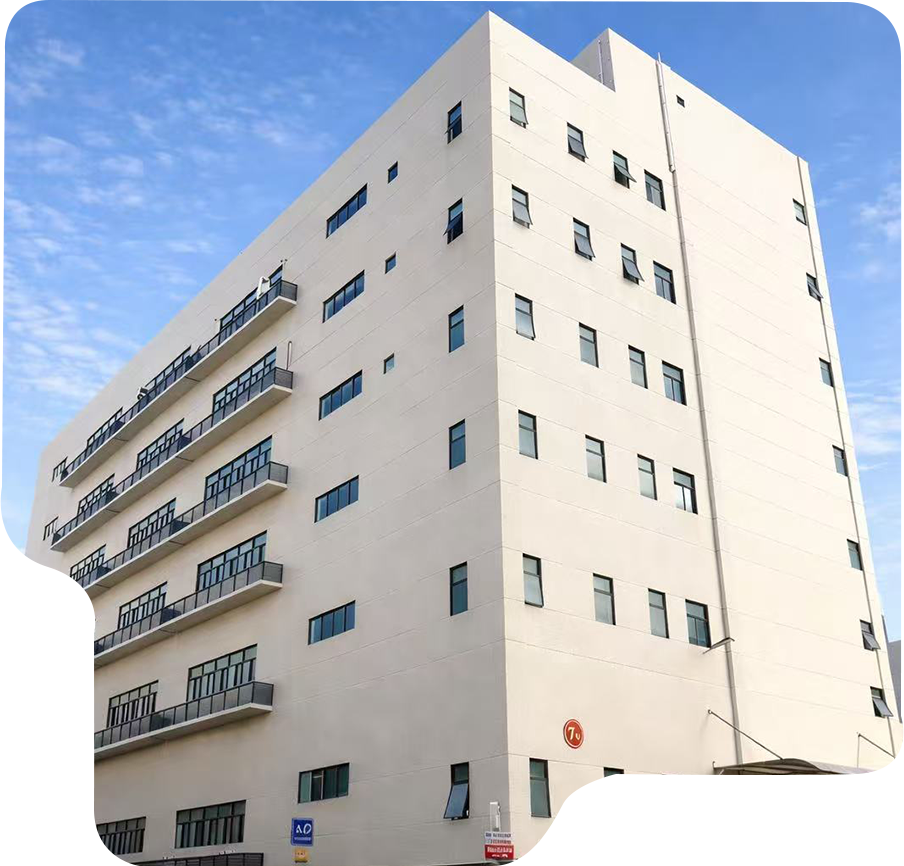
Designed for continuous 24/7 industrial operational uptime and zero-defect SMT production line performance.
Practical SMT Production Line Integrator & Equipment Manufacturer Since 2013
Shenzhen Yichun Electronic Automation Equipment Co., Ltd., founded in 2013, is a practical SMT production line solution provider and integrator focused on helping electronics manufacturers build stable and efficient manufacturing lines.
We specialize in SMT line planning, equipment integration, installation, and technical support based on real factory production requirements. Our solutions combine reliable SMT equipment with practical engineering experience to deliver cost-effective and easy-to-operate production lines for growing manufacturers.
Our main solutions include reflow ovens, wave soldering systems, SMT production lines, automatic printers, pick-and-place machines, and related peripheral equipment (such as SMT PCB inverters, loaders, unloaders, and buffer conveyors). Rather than focusing only on individual machines, we emphasize complete line configuration, factory layout optimization, and long-term operational stability.
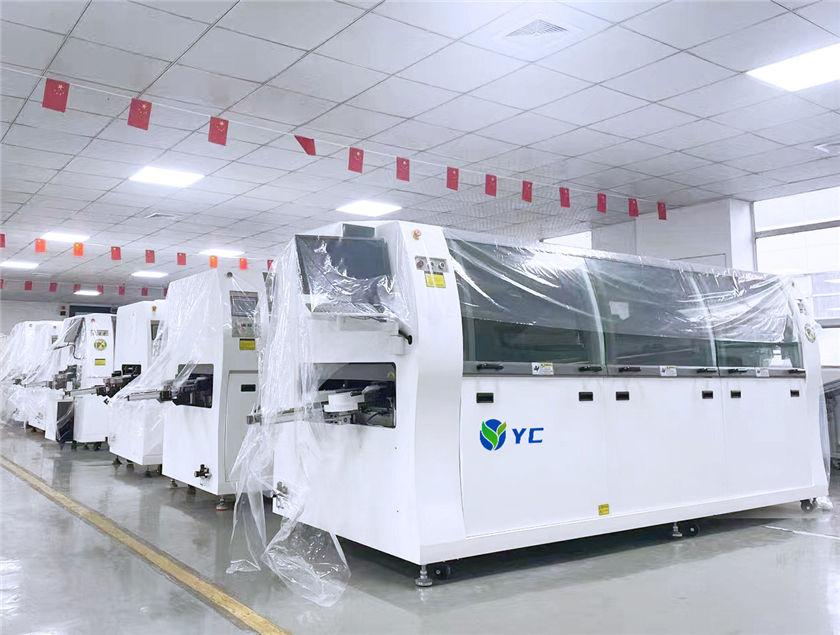
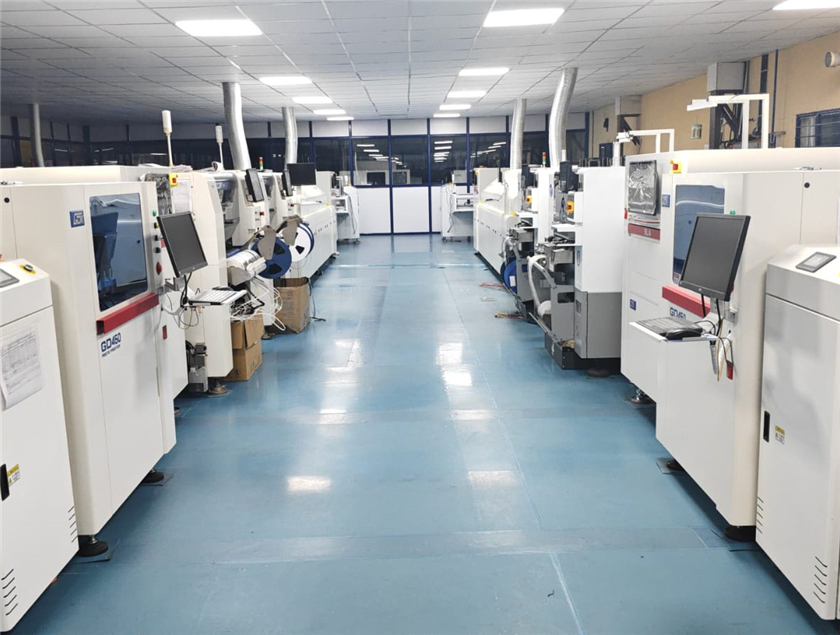
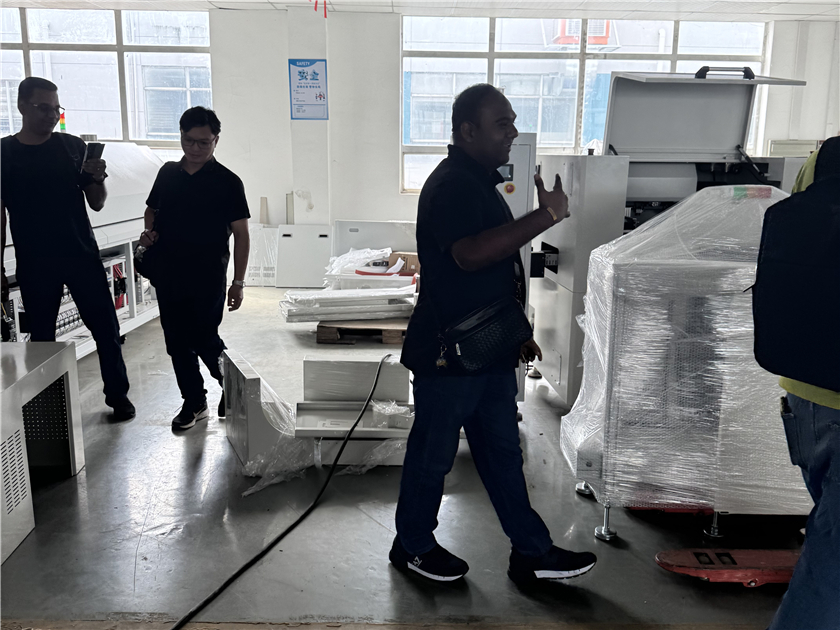
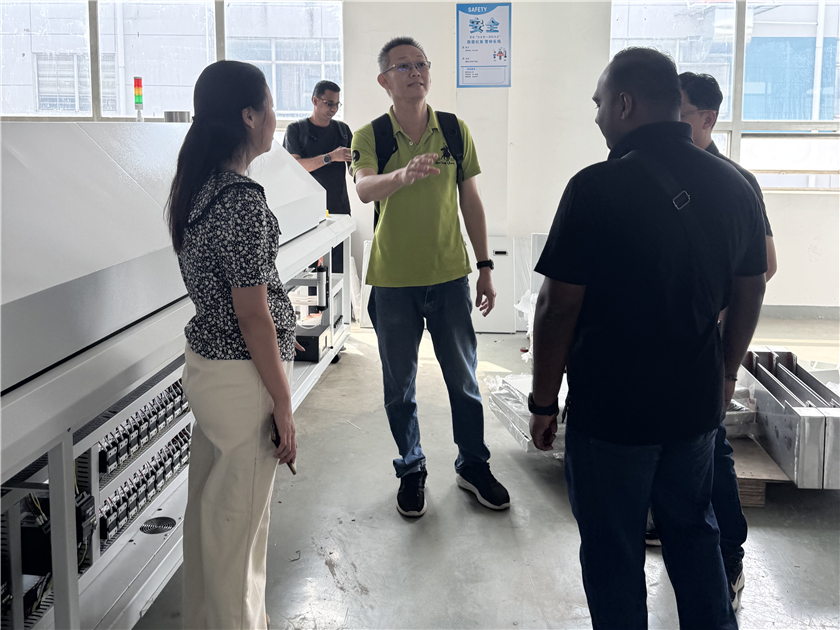
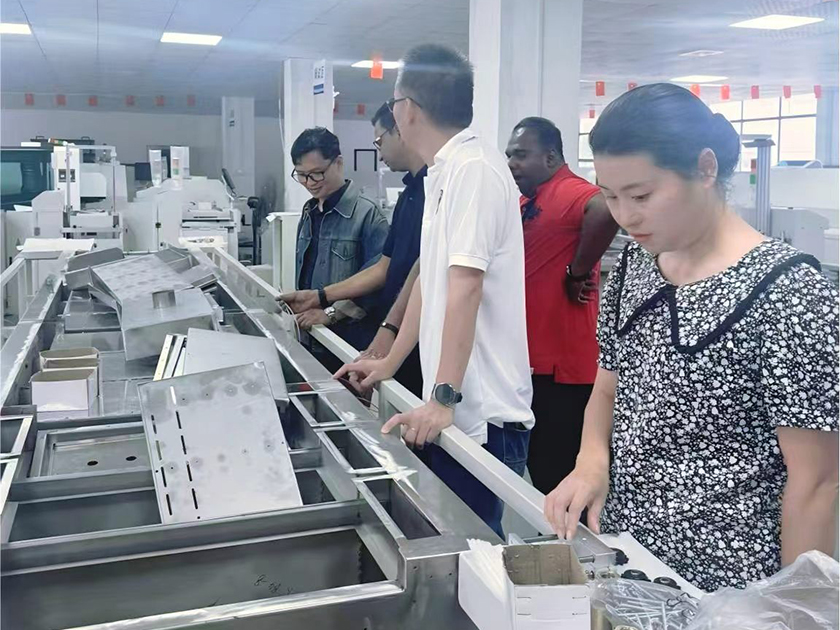
Yichun Electronic operates a demonstration and training showroom used for equipment testing, solution verification, and customer visits, helping clients better understand production processes before implementation. Our solutions are applied in consumer electronics, industrial control, communication products, and automotive electronics. We have supported SMT line projects in regions including Southeast Asia, South Asia, and Eastern Europe, providing installation, technical assistance, and ongoing service support.
To provide practical, stable, and cost-effective SMT automation solutions that help electronics manufacturers improve productivity, maintain consistent product quality, and grow their manufacturing capabilities with confidence.
To become a reliable long-term SMT line integration partner for manufacturers seeking practical solutions, flexible equipment configurations, and dependable engineering support globally.
We focus on real production needs rather than theoretical configurations. From initial line planning to installation and long-term maintenance, our engineering team provides continuous support throughout the entire manufacturing lifecycle.
Analyzing macroeconomic shifts, technical challenges, and line optimization demands in high-volume PCBA manufacturing.
The global shift toward Electric Vehicles (EVs) and Autonomous Driving Systems (ADAS) has forced SMT assembly plants to adopt zero-defect standards (IPC Class 3). Vehicle control units contain complex, double-sided populated circuit boards featuring heavy copper layers, micro-BGAs, and dense QFN packages.
Automotive buyers demand PCB inverters featuring precise closed-loop stepping motors or servo control to prevent micro-cracks in ceramic capacitors during board flipping. Modern SMT inverters must feature pneumatic clamping force calibration to prevent mechanical strain on warp-sensitive substrate materials.
Global procurement directors no longer look at SMT inverters as standalone mechanical fixtures. Contemporary SMT lines mandate full machine-to-machine (M2M) communication via SMEMA 1.2 and modern IPC-HERMES-9852 digital protocols.
Leading SMT PCB Inverter manufacturers provide native Ethernet/RS485 interfaces that report cycle count, board status, clamping errors, and line flow dynamics directly to Central Manufacturing Execution Systems (MES) for trace-ability and automated line balancing.
5G base station power boards and server mainboards feature ultra-large PCB dimensions (up to 510mm x 460mm) combined with heavy thermal sink masses. Conventional inverters often exhibit center-sag or rotational jerk when handling heavy boards.
Next-generation inverters incorporate dual pneumatic clamping jaws, center support tracks, and adjustable soft-start rotational torque curves to maintain structural flatness and component alignment.
At the opposite end of the spectrum, smartwatches and IoT devices use ultra-thin flex-rigid PCBs (as thin as 0.4mm). Inverting ultra-light or flexible substrate panels requires ultra-gentle friction belt clamping and precise optical sensor detection to prevent board distortion or jamming inside the flipping cage.
Understanding the engineering mechanics behind high-efficiency SMT PCB Inverters
A high-performance SMT PCB Inverter is designed to operate seamlessly within high-speed assembly environments. Below is a detailed breakdown of core operational components and structural engineering considerations:
| Engineering Subsystem | Technical Mechanism | Industrial Performance Benefit |
|---|---|---|
| Rotational Drive System | Pneumatic Rotary Actuator or Stepping Motor with Precision Reduction Gearbox | Delivers smooth 180° inversion without rotational backlash or vibration, protecting delicate SMT components. |
| Board Clamping Mechanism | Parallel pneumatic side-grippers with soft ESD elastomer belting | Provides adjustable clamping pressure for delicate (0.4mm) to heavy (6.0mm) rigid circuit boards. |
| Interface Communication | Standard SMEMA 1.2 Signal Interface / IPC-HERMES-9852 digital link | Enables universal handshaking with stencil printers, pick-and-place units, reflow ovens, and AOI systems. |
| Safety & ESD Safeguards | Fully enclosed acrylic/metal safety housing with door-interlock sensors & conductive coating | Protects line operators from rotational hazards while ensuring complete static dissipation (<10^6 ohms). |
| Pass-Through Mode | Selectable linear conveyor mode without activation of flipping mechanism | Allows single-sided assembly lines to utilize the machine as a standard transfer conveyor without line reconfiguration. |
In a standard double-sided SMT line, Side A undergoes solder paste printing, high-speed chip placement, and primary reflow soldering. Upon exiting the reflow cooling zone, the PCB temperature remains elevated (often between 45°C and 60°C). An SMT Inverter must handle boards safely at these elevated temperatures without warping the FR-4 matrix or scratching bottom-side copper traces.
Shenzhen Yichun's engineering designs incorporate heat-resistant anti-static conveyor tracks and dual-stage optical sensor positioning to ensure that boards are fully stabilized before rotation begins.
Why leading global electronics assembly factories choose Yichun SMT solutions
Extensive experience configuring complete, balanced SMT lines based on real factory space constraints, target throughput (CPH), and product yield goals.
Seamless integration of reliable SMT machinery brands to achieve optimal production cost efficiency, high thermal performance, and stability.
On-site installation, factory layout planning, operator training, and line optimization to guarantee immediate production ramp-up.
Dedicated remote diagnostic support and rapid spare parts dispatch to ensure continuous line uptime and minimize unplanned downtime.
Built for reliability, speed, energy savings, and intuitive user operation
Carefully selected structural materials, heavy-duty linear guides, and premium electrical components engineered for continuous 24/7 industrial factory operation.
Optimized mechanical timing, fast pneumatic clamping, and smart conveyor speed synchronization eliminate bottleneck delays between line processes.
Intelligent stand-by power management, low-friction motorized drive trains, and optimized air consumption design reduce facility electricity and pneumatic costs.
Clear industrial touch-screen PLC interface with intuitive diagnostic menus, simplifying operator training and reducing changeover times during product switching.
From Single PCB Inverters to Complete High-Speed Surface Mount Production Lines
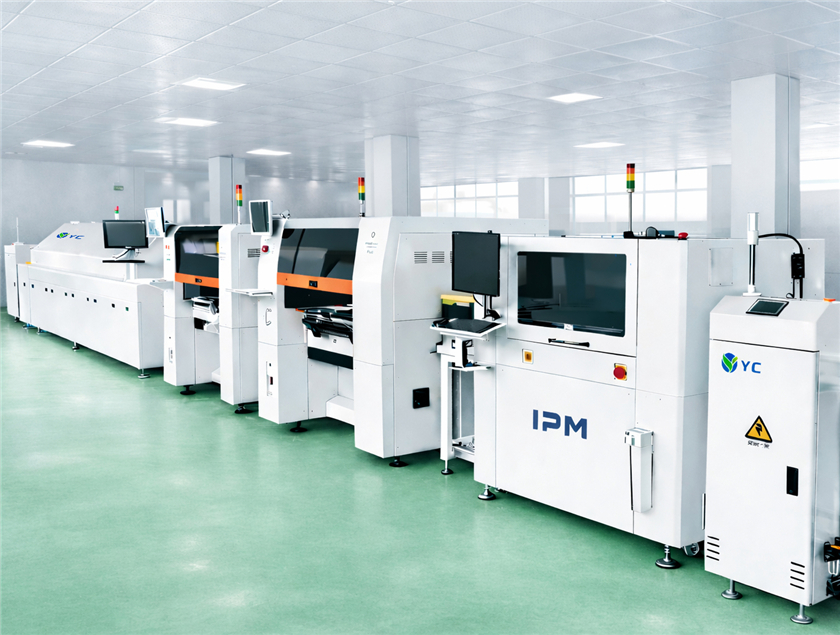
A reliable SMT line requires seamless cooperation across multiple machine types. Shenzhen Yichun Electronic provides complete end-to-end turnkey solution engineering, ensuring every equipment module functions in perfect synchronization:
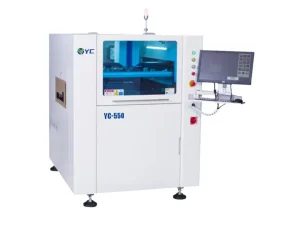
Utilizing high-precision automated solder paste printers and dispensers (such as the YC550 series) to establish crisp, repeat-able solder deposits across fine-pitch pads before component placement.
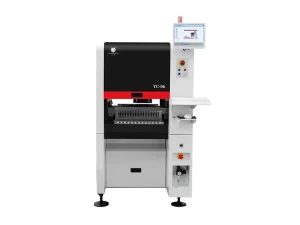
Integrating multi-head pick-and-place equipment (e.g., 6-head and 10-head magnetic suspension placement units delivering up to 27,800 CPH) for accurate mounting of 0201 chips up to large ICs.
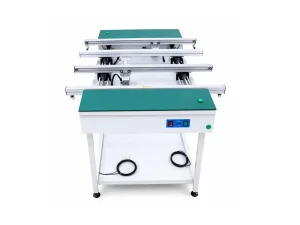
Employing SMT PCB Inverters and Dual-Rail Conveyors to flip boards instantly for Side B printing, or route panels into secondary wave soldering and inspection lines.
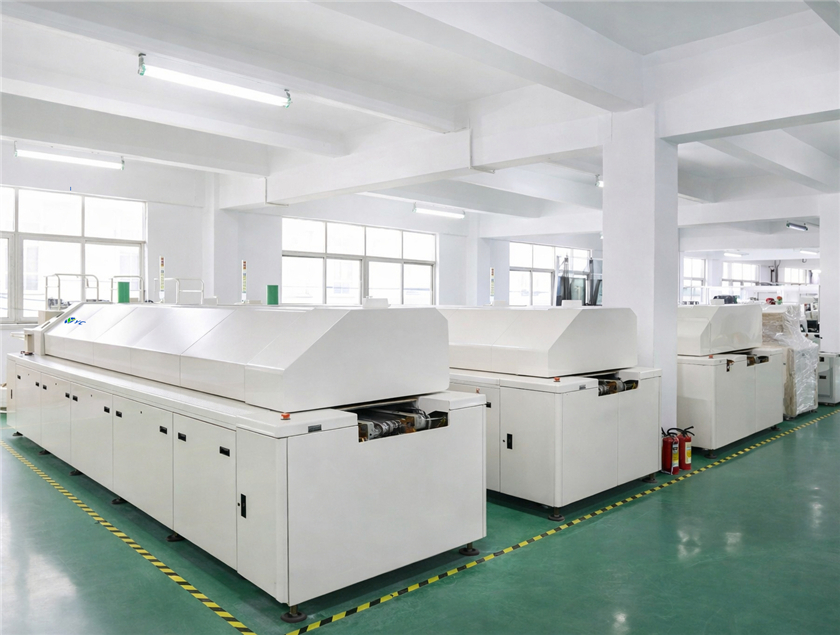
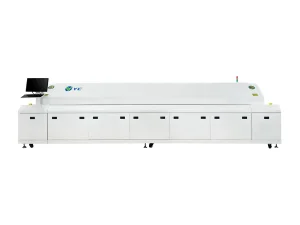
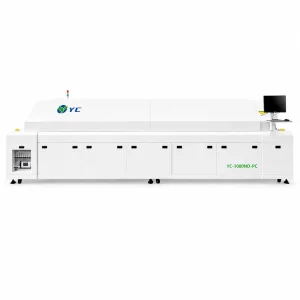
Passing boards through energy-efficient 8-zone, 10-zone, or 12-zone lead-free nitrogen reflow ovens to form flawless metallurgical solder joints under precise thermal profiles.
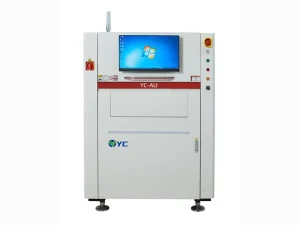
Incorporating YC-ALI 2D Automated Optical Inspection (AOI) machines post-soldering to perform instant micro-defect detection, checking for bridging, tombstoning, and polarity errors.
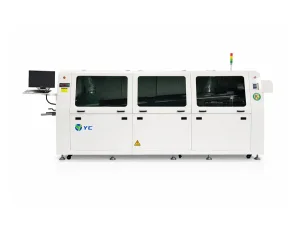
Completing mixed-technology assemblies via lead-free wave soldering machines (such as the YC 350) and automatic mini magazine loaders/unloaders for safe batch storage.
Ensuring seamless international deployment, operator safety, and regulatory compliance
All SMT equipment integrated by Shenzhen Yichun Electronic complies strictly with international industrial standards. Machinery undergoes rigorous European CE electrical safety testing, electromagnetic compatibility (EMC) verification, and ISO9001 quality management oversight.
Frame structures feature electrostatic discharge (ESD) safe powder coatings and conductive grounding points complying with ANSI/ESD S20.20 standards, ensuring sensitive CMOS ICs are protected from static hazards.
Yichun Electronic has built robust technical service footprints across emerging electronics manufacturing hubs in Southeast Asia (Vietnam, Thailand, Malaysia), South Asia (India), and Eastern Europe (Poland, Hungary, Turkey).
Our practical field engineers offer on-site machinery commissioning, factory layout design, process parameter calibration, and comprehensive training to local technicians in their preferred operating language.
Next-Generation SMT Handling, Smart Factory Automation, and Predictive AI Diagnostics
Integration of low-cost micro CMOS camera sensors inside the flipping cage to auto-detect board skewness prior to rotation. Real-time vision feedback adjusts servo motor rotational profiles to compensate for warped circuit boards.
Transitioning from wired SMEMA cables to full wireless IPC-HERMES protocol stacks, allowing inline PCB inverters to transmit vibration telemetry, motor thermal metrics, and cycle counts to industrial IoT cloud dashboards.
To support high-mix, low-volume (HMLV) flexible lines, future inverter systems feature auto-width adjustment capabilities, switching between 50mm narrow boards and 450mm wide panels within 10 seconds via software commands.
Expert technical answers to common queries from SMT process engineers and sourcing managers.
A: An SMT PCB Inverter (or board flipper) is designed to automatically turn a printed circuit board upside down (180-degree rotation) during double-sided SMT processing. It allows the assembly line to automatically apply solder paste, mount components, and reflow solder the second side of the PCB without manual board handling, preserving cleanliness and component positioning.
A: Modern SMT inverters utilize soft, ESD-safe side-edge clamping belts with regulated pneumatic pressure. When a board enters the rotational cage, side grippers hold the PCB firmly along its top and bottom edge clearance zones (typically 3mm-5mm margins). The rotational acceleration profile follows a smooth s-curve velocity trajectory to ensure zero centrifugal displacement of components.
A: Yes. Industry-standard SMT PCB inverters are equipped with SMEMA 1.2 interface cables and standard hardware handshaking protocols. This allows universal plug-and-play integration upstream and downstream with stencil printers, pick-and-place machines (e.g., Yamaha, Fuji, Panasonic, Hanwha), reflow ovens, and conveyor units.
A: Absolutely. Modern PCB flippers feature selectable operational modes via their PLC interface: "Invert Mode" for double-sided processing, and "Pass-Through Mode" for single-sided production. In pass-through mode, the internal mechanism locks in alignment with the main transport line and acts as a standard line conveyor.
A: Daily maintenance involves cleaning optical sensor lenses with isopropyl alcohol (IPA) to eliminate ambient dust and checking pneumatic air pressure (typically 0.4 - 0.6 MPa). Monthly maintenance includes inspecting transport belts for wear, checking static grounding continuity, and lubricating linear slide guide rails.
Browse additional SMT reflow ovens, component placement systems, dispensers, and handling machinery.
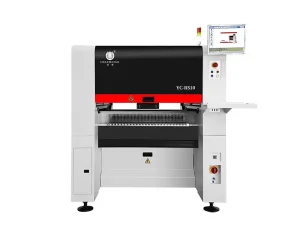
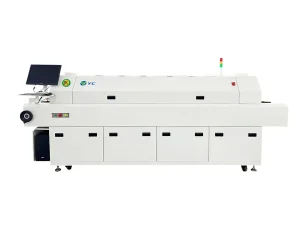
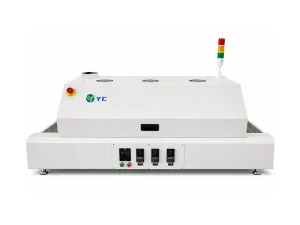
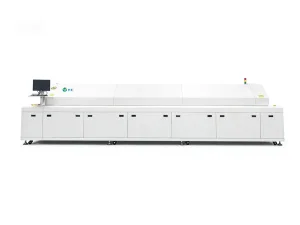
Building Long-Term Strategic Manufacturing Partnerships Worldwide
As electronics manufacturing continues to evolve toward higher density components and smaller form factors, Shenzhen Yichun Electronic Automation Equipment Co., Ltd. remains focused on delivering practical SMT line solutions that help manufacturers build reliable and efficient production capabilities. We believe stable equipment, realistic engineering design, and long-term technical support are the foundation of successful manufacturing operations.
Whether customers are setting up a new double-sided SMT assembly line or optimizing an existing factory line layout, our team is committed to providing straightforward, dependable solutions tailored to real factory needs. We look forward to building long-term partnerships with manufacturers seeking practical, cost-effective SMT production solutions globally.
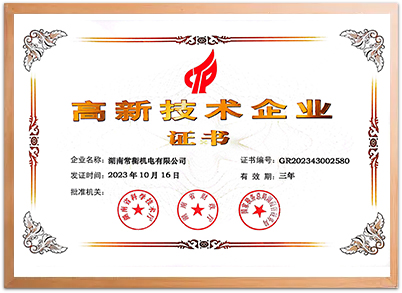
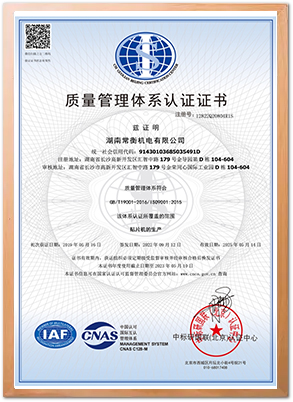
 Yichun Electronic