Explore high-precision PCB cleaning systems, automated wave soldering machines, and pick-and-place robotics engineered for zero-defect SMT assembly lines.
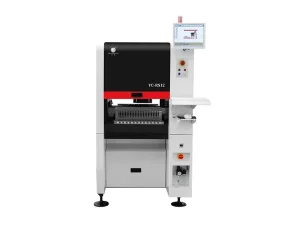
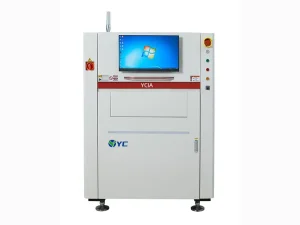
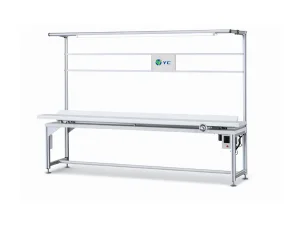
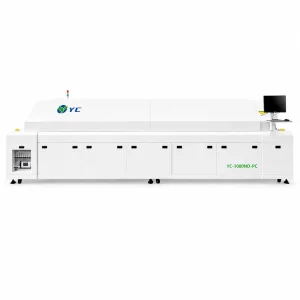
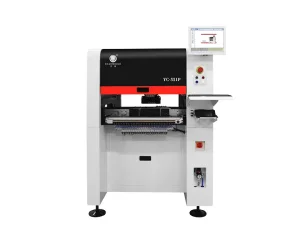
In modern Surface Mount Technology (SMT) manufacturing, thermal reflow soldering stands as the single most critical process step governing the electromechanical integrity of printed circuit board assemblies (PCBAs). As microelectronics packaging transitions toward higher component densities—characterized by fine-pitch Ball Grid Arrays (BGAs), Quad Flat No-leads (QFNs), 0201/01005 passive chips, and complex System-in-Package (SiP) architectures—the operational margin for thermal processing errors has diminished significantly.
Searching for a famous T960 reflow oven manufacturer & manufacturers requires an engineering-first evaluation. Manufacturers must scrutinize not merely thermal setpoints, but convective heat transfer efficiency, zone-by-zone atmospheric control, ΔT minimization across thermal masses, and long-term chassis stability under continuous multi-shift production environments.
Core Technical Takeaway: Modern reflow soldering success hinges on maintaining tight ΔT values (below 2.5°C across diverse component masses) while adhering strictly to solder paste metallurgical profiling metrics (Soak Time, Peak Temperature, and Time Above Liquidus - TAL).
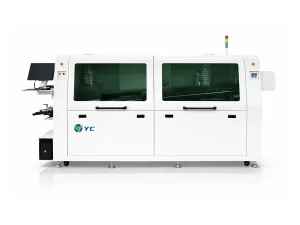
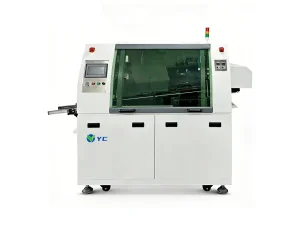
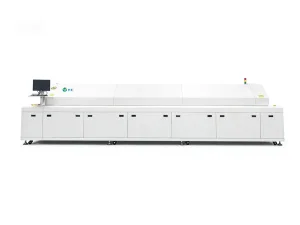
The T960 Reflow Oven series represents an optimized thermal processing platform designed to bridge the gap between compact prototype units and massive, energy-intensive 14-zone enterprise machines. Engineered with independent top and bottom forced-air convection heating zones, the T960 platform delivers steady, uniform thermal distribution across complex multi-layer PCB boards.
Legacy reflow designs relied heavily on direct Infrared (IR) radiative heaters. While cost-effective, pure IR systems suffer from severe thermal shadowing effects—where tall components cast infrared shadows on smaller adjacent passives—and variable emissivity coefficients across different component surface materials (e.g., black epoxy IC packages vs. polished metallic shielding cans). The advanced T960 architecture integrates micro-forced hot air convection nozzles driven by high-velocity brushless blowers. This design forces heated air into every microscopic cavity under component bodies, ensuring uniform heat transfer regardless of component color, reflectivity, or shadow geometry.
The structural layout of a high-performance T960 reflow system incorporates multiple distinct thermal management sectors:
With global environmental mandates such as RoHS 3 and REACH enforcement, SMT manufacturers must configure their T960 reflow profile according to the precise thermodynamic behavior of lead-free solder pastes. The table below outlines the primary metallurgical profile targets supported by the T960 heating matrix:
| Solder Alloy Type | Melting Point (Solidus/Liquidus) | Optimal Peak Temp | Time Above Liquidus (TAL) | Primary Defect Target Mitigation |
|---|---|---|---|---|
| SAC305 (Sn96.5Ag3.0Cu0.5) | 217°C – 220°C | 235°C – 248°C | 45 – 75 Seconds | Head-in-Pillow (HiP), Voiding |
| Sn-Bi Low Temp (Bi58Sn42) | 138°C Eutectic | 165°C – 180°C | 60 – 90 Seconds | Thin Substrate Warpage |
| High-Rel Innolot / Ag-Rich | 217°C – 224°C | 240°C – 252°C | 50 – 80 Seconds | Thermal Fatigue & Creep Failure |
The global demand for reliable T960 reflow oven equipment spans multiple key manufacturing hubs including Southeast Asia (Vietnam, Malaysia, Thailand), South Asia (India), Eastern Europe (Poland, Hungary), and North America. As regional manufacturing ecosystems expand, factory owners face the challenge of balancing capital expenditure (CapEx) with operational stability (OpEx).
Rather than investing in over-engineered 14-zone systems for medium-run high-mix lines, agile electronics manufacturing services (EMS) providers turn to specialized T960 manufacturers. These systems yield an exceptional cost-to-performance ratio, reducing electrical consumption by up to 35% through localized insulation designs and intelligent standby thermal profiles while maintaining compliance with IPC-A-610G Class 2 and Class 3 workmanship standards.
A reflow oven never operates in isolation; its performance depends on seamless line integration with solder paste printers, high-speed automated pick-and-place systems, and inline optical inspection equipment. This is where Shenzhen Yichun Electronic Automation Equipment Co., Ltd. delivers unmatched value.
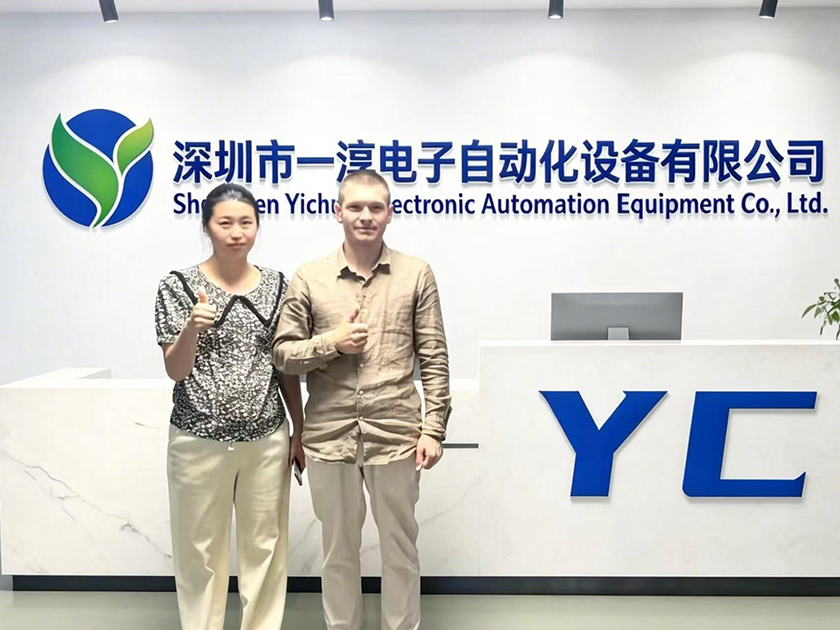
Shenzhen Yichun Electronic Automation Equipment Co., Ltd., founded in 2013, is a practical SMT production line solution provider and integrator focused on helping electronics manufacturers build stable and efficient manufacturing lines.
We specialize in SMT line planning, equipment integration, installation, and technical support based on real factory production requirements. Our solutions combine reliable SMT equipment with practical engineering experience to deliver cost-effective and easy-to-operate production lines for growing manufacturers.
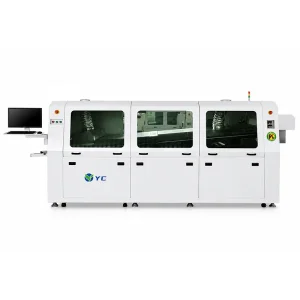
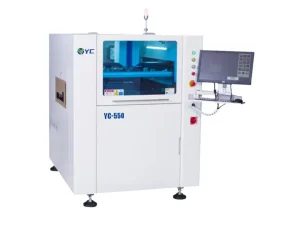
Our main solutions include reflow ovens, wave soldering systems, SMT production lines, automatic printers, pick-and-place machines, and related peripheral equipment. Rather than focusing only on individual machines, we emphasize complete line configuration, factory layout optimization, and long-term operational stability.
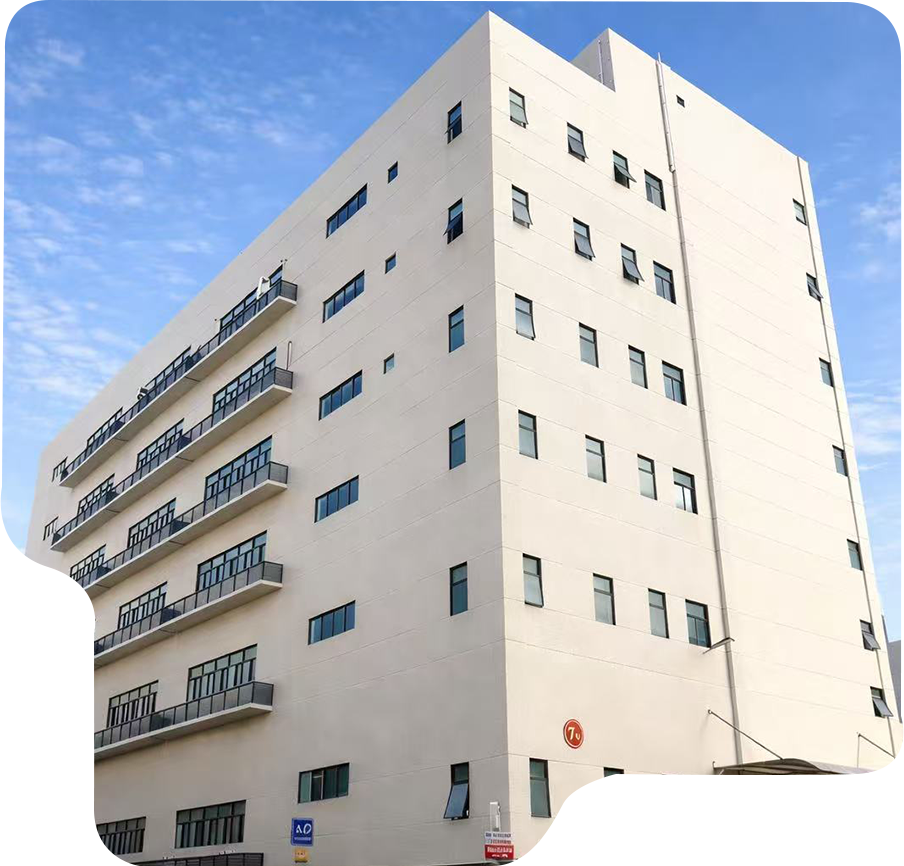
Yichun Electronic operates a demonstration and training showroom used for equipment testing, solution verification, and customer visits, helping clients better understand production processes before implementation.
Our solutions are applied in consumer electronics, industrial control, communication products, and automotive electronics. We have supported SMT line projects in regions including Southeast Asia, South Asia, and Eastern Europe, providing installation, technical assistance, and ongoing service support.
To provide practical, stable, and cost-effective SMT automation solutions that help electronics manufacturers improve productivity, maintain consistent product quality, and grow their manufacturing capabilities with confidence.
To become a reliable long-term SMT line integration partner for manufacturers seeking practical solutions, flexible equipment configurations, and dependable engineering support.
We focus on real production needs rather than theoretical configurations. From initial line planning to installation and long-term maintenance, our engineering team provides continuous support throughout the entire manufacturing lifecycle to ensure stable and efficient production.
Experience in configuring complete SMT production lines based on real factory requirements and production capacity targets.
Integration of reliable SMT equipment brands to create balanced solutions combining performance, stability, and cost efficiency.
On-site installation, operator training, and technical assistance to ensure smooth production startup and stable operation.
Remote and on-site support to quickly resolve equipment issues and minimize downtime.
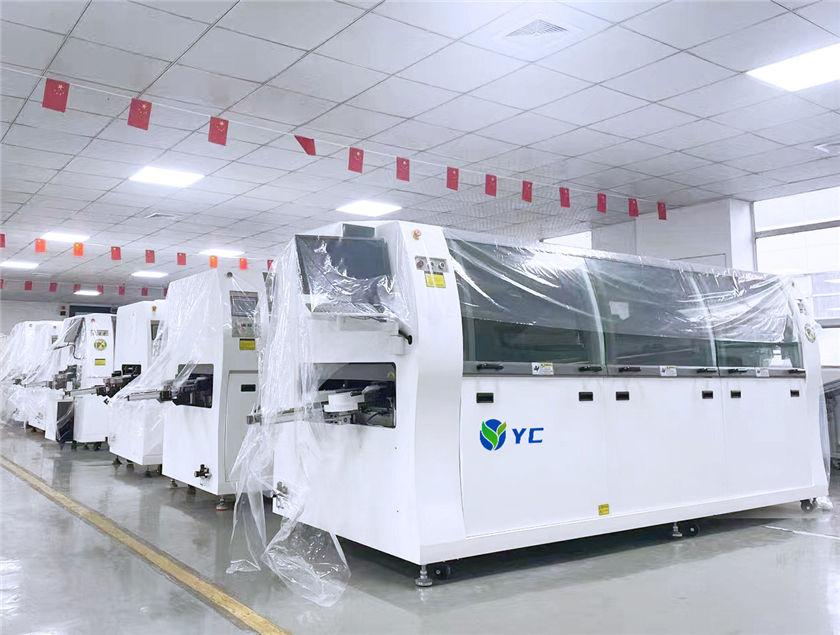
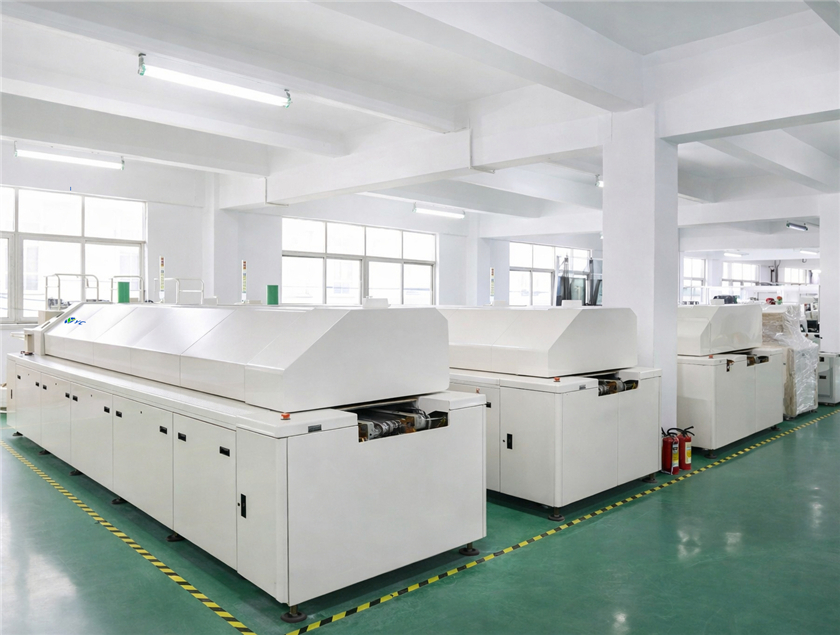
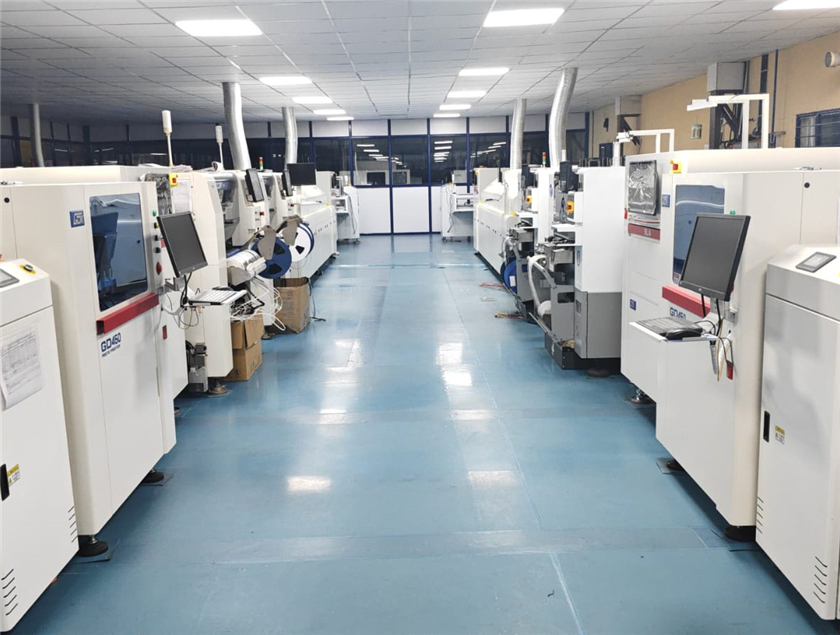
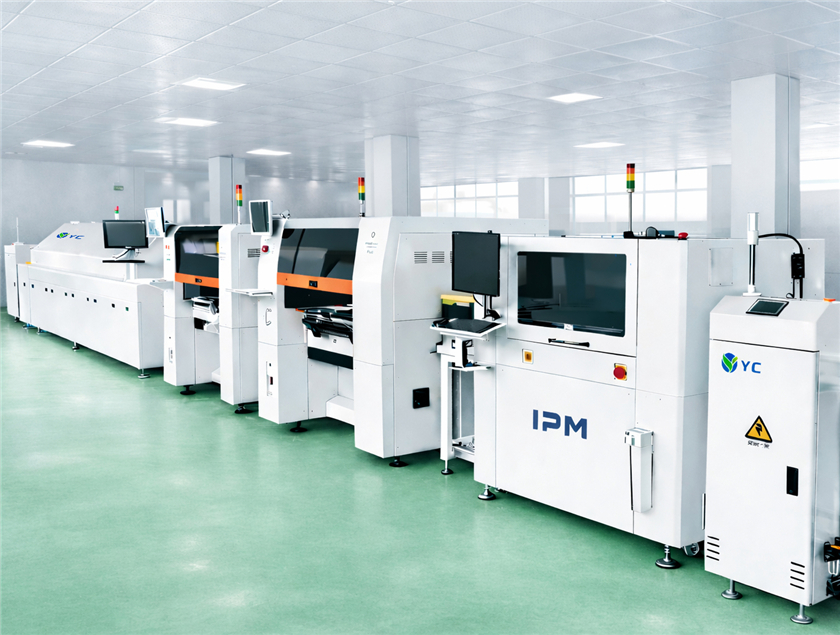
Carefully selected equipment and key components designed for long-term continuous production environments.
Optimized thermal systems, conveyor structures, and line balancing improve throughput and reduce bottlenecks.
Energy-saving design concepts and intelligent control help reduce operating costs across multi-shift factory runs.
Clear software interfaces and practical design make training easier and reduce operator learning time.
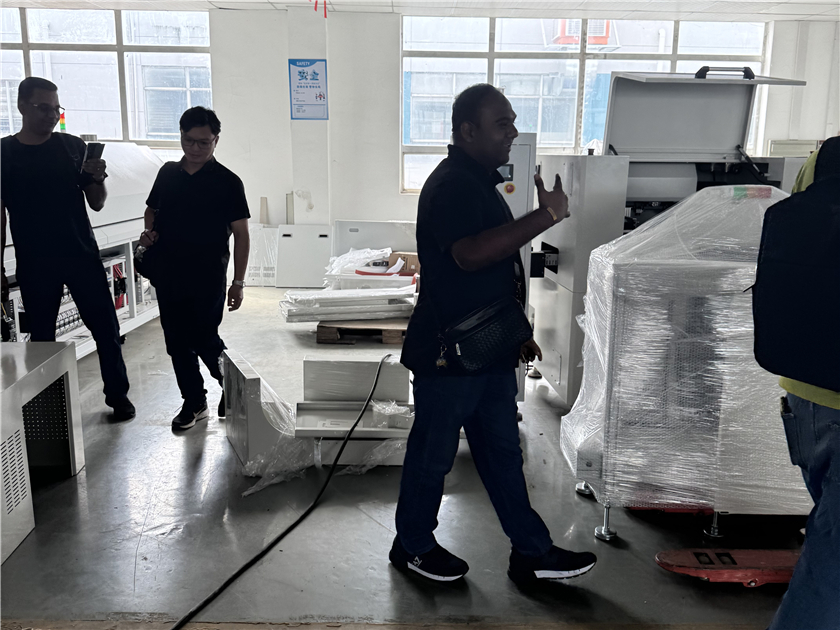
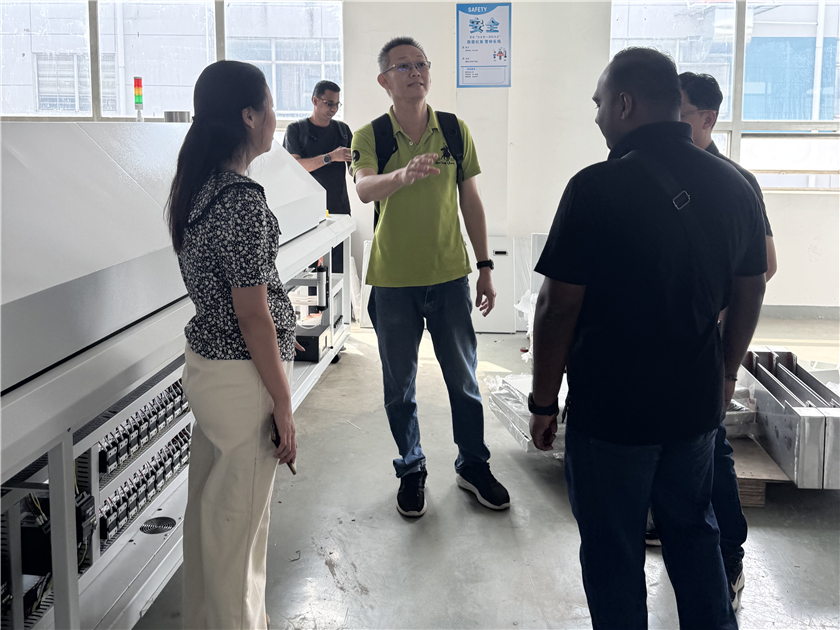
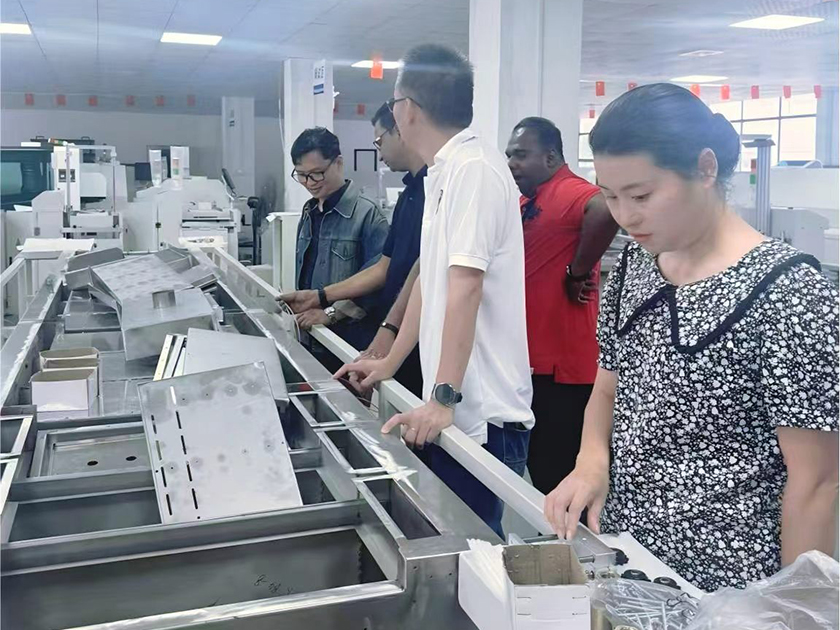
As electronic manufacturing shifts toward Industry 4.0 integration, reflow soldering machines are evolving from standalone heat chambers into intelligent, interconnected cyber-physical systems. The technical roadmap for the T960 series encompasses three pivotal innovations:
Traditional reflow profiling requires thermal sensors (thermocouples) physically attached to a test PCB board passed through the oven. Next-generation T960 platforms integrate embedded infrared mathematical modeling sensors and real-time conveyor speed monitoring. The software continuously calculates internal thermal dynamics, automatically adjusting blower RPM and zone heater duty cycles to compensate for ambient shop-floor temperature fluctuations or thermal load spikes during high-throughput runs.
Modern Smart Factories demand end-to-end traceability. Integrated T960 reflow systems come equipped with standard SECS/GEM (SEMI Equipment Communications Standard / Generic Equipment Model) and OPC UA protocols. This enables real-time telemetry streaming to central Manufacturing Execution Systems (MES), logging exact thermal curve signatures for every PCB barcode passed through the tunnel—a mandatory requirement for automotive (IATF 16949) and aerospace electronics production.
To reduce defect rates associated with lead-free oxidation—such as pad wetting failure, solder balling, and poor fillet height—the option to introduce Nitrogen (N2) inerting environments within the reflow chamber has become an industry standard. Maintaining residual oxygen levels under 100–500 ppm dramatically lowers liquid solder surface tension, ensuring flawless wetting on ultra-fine pitch pads.
As electronics manufacturing continues to evolve, Yichun Electronic remains focused on delivering practical SMT line solutions that help manufacturers build reliable and efficient production capabilities. We believe stable equipment, realistic engineering design, and long-term technical support are the foundation of successful manufacturing operations.
Whether customers are setting up a new SMT line or optimizing an existing production process, our team is committed to providing straightforward, dependable solutions tailored to real factory needs. We look forward to building long-term partnerships with manufacturers seeking practical, cost-effective SMT production solutions.
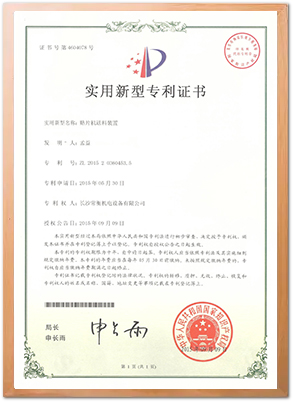
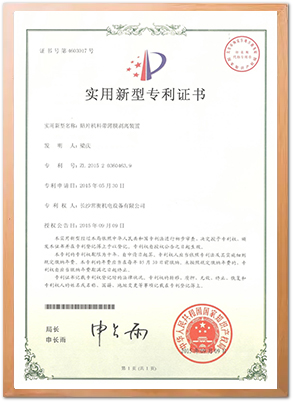
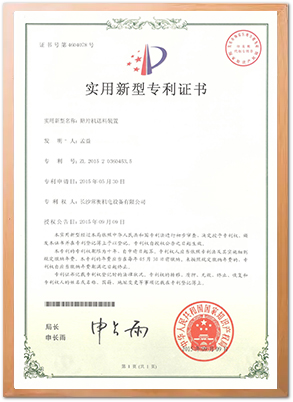
Direct answers from SMT process engineering experts regarding T960 reflow oven operations, thermal profiling, and line troubleshooting.
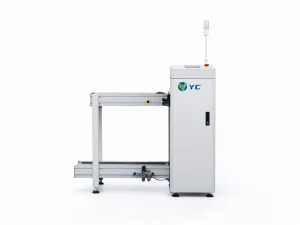
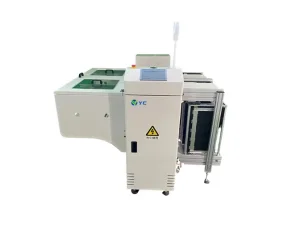
Browse our expanded portfolio of 12-zone reflow ovens, automated loaders, unloader units, and high-speed pick and place robotics.

 Yichun Electronic