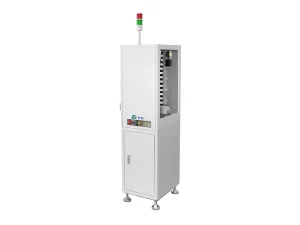
Explore high-precision pick-and-place systems, automated solder paste printers, and desktop thermal profiles directly from leading Chinese engineering facilities.
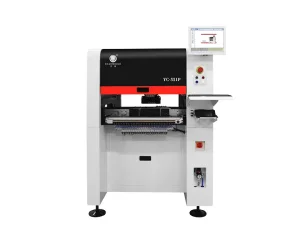
China High-Precision 4-Head Pick and Place Machine from China Suppliers - Optimal Speed and Accuracy for SMT Factory
View Product Specs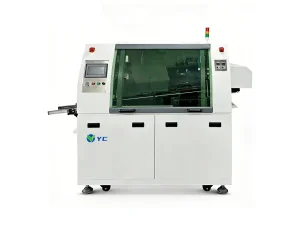
China Supplier Wave Soldering Machine 250 - Lead-Free Solution for DIP Assembly at Our Factory Manufacturers
View Product Specs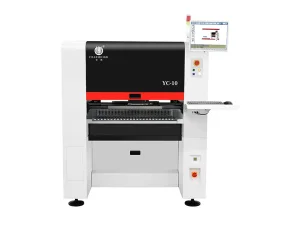
China 10-head High-speed High-precision Multi-function Pick and Place Machine Manufacturers, Factories
View Product Specs
China High-Precision 4-Head Pick and Place Machine Direct - 14400CPH, CPK ≥ 1.0 Factories
View Product Specs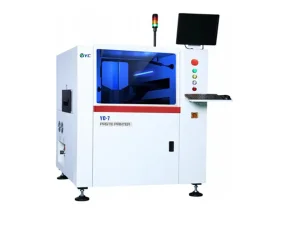
Cheap China YC-7 Fully Automatic Vision-Guided Solder Paste Printer - High Precision Solder Solution
View Product Specs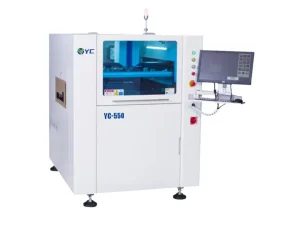
Cheap YC550 Fully Automatic Solder Paste Dispenser - Top China Suppliers for SMT Line Factory
View Product Specs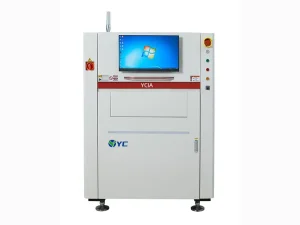
Cheap YCIA SPI 3D Solder Paste Inspection Manufacturer, High-Speed Exporter Solutions
View Product Specs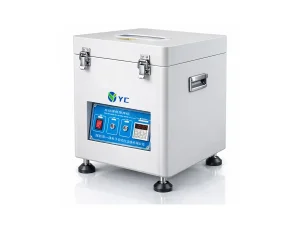
Famous High-Efficiency Solder Paste Mixer from China Suppliers - Stable Mixing for SMT Line
View Product SpecsAnalyzing the shift toward decentralized electronics manufacturing, rapid prototyping, and benchtop surface-mount technology (SMT) thermal processing.
Modern electronics manufacturing is no longer restricted to mega-factories. Small-to-medium enterprises (SMEs), IoT startups, and specialized defense electronics firms require compact, high-precision micro-reflow systems. Tabletop reflow ovens provide localized footprint agility while delivering thermal repeatability essential for 0201 components, BGA packages, and fine-pitch QFPs.
Floor-standing industrial reflow tunnels spanning 4 to 10 heating zones demand massive electricity, floor space, and continuous exhaust ducting. In contrast, cost-effective tabletop reflow ovens lower initial Capital Expenditure (CAPEX) by up to 85%, offering small-batch electronics assemblers a fast Return on Investment (ROI) without compromising thermal ramp rates.
With environmental directives such as RoHS and REACH governing global electronics, reflow thermal profiles require strict compliance with lead-free alloys like SAC305 (liquidus at ~217°C). Benchtop reflow ovens designed by top manufacturers feature sophisticated forced-air convection and multi-sensor PID loop controls to guarantee narrow Delta-T across dense printed circuit board assemblies (PCBAs).
The term "cheap" in modern SMT procurement no longer implies inferior quality; rather, it reflects unparalleled supply chain synergy and structural cost efficiency rooted in China's industrial hardware hubs like Shenzhen and Dongguan.
Chinese tabletop reflow oven factories leverage localized clusters for precision sheet metal fabrication, mica heating element assembly, high-temperature quartz tubes, and microcontroller sensor production. By eliminating multi-tier international distribution markups, Chinese direct-to-factory suppliers deliver high-performance benchtop reflow ovens at a fraction of Western production costs.
An engineering evaluation of Infrared (IR), Hot Air Convection, and Hybrid Heating Systems utilized in modern tabletop reflow ovens.
| Heating Technology | Thermal Delta T Uniformity | Shadowing Effect Risk | Energy Efficiency | Ideal Application Scenario |
|---|---|---|---|---|
| Direct Infrared (IR) Radiant | Moderate (±4°C to ±6°C) | High (Tall components shade small SMD chips) | Very High (Instant heat radiation) | Basic prototyping, single-sided simple PCBs, budget labs. |
| Full Forced Hot Air Convection | Superior (±1.5°C to ±2.5°C) | Zero (Air flows uniformly around components) | Moderate (Requires continuous blower fan) | High-density double-sided SMT assembly, BGA/QFN reflow. |
| IR + Hot Air Hybrid Heating | Excellent (±2.0°C) | Low (Balanced thermal distribution) | High (Fast ramp-up with steady convection) | General SMT production lines, NPI laboratories, medium volume. |
| Nitrogen-Purged Batch Reflow | Maximum (Prevent Oxidation) | Zero (Controlled atmosphere) | Requires N2 Generator integration | Aerospace, automotive sensors, ultra-fine pitch solder joints. |
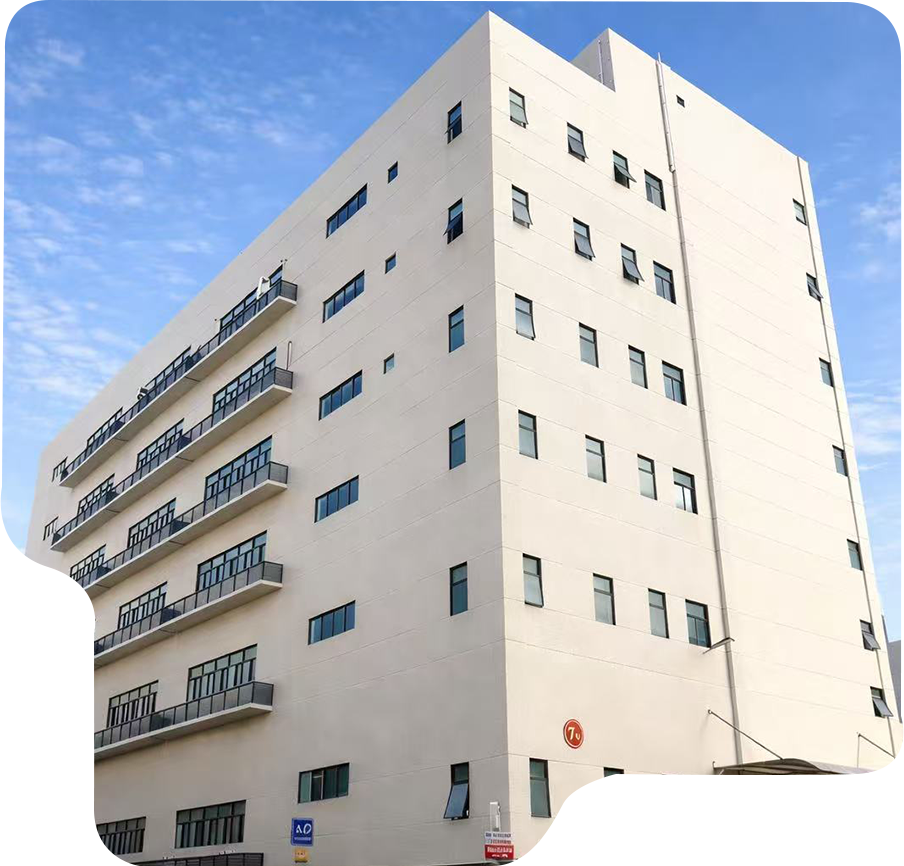
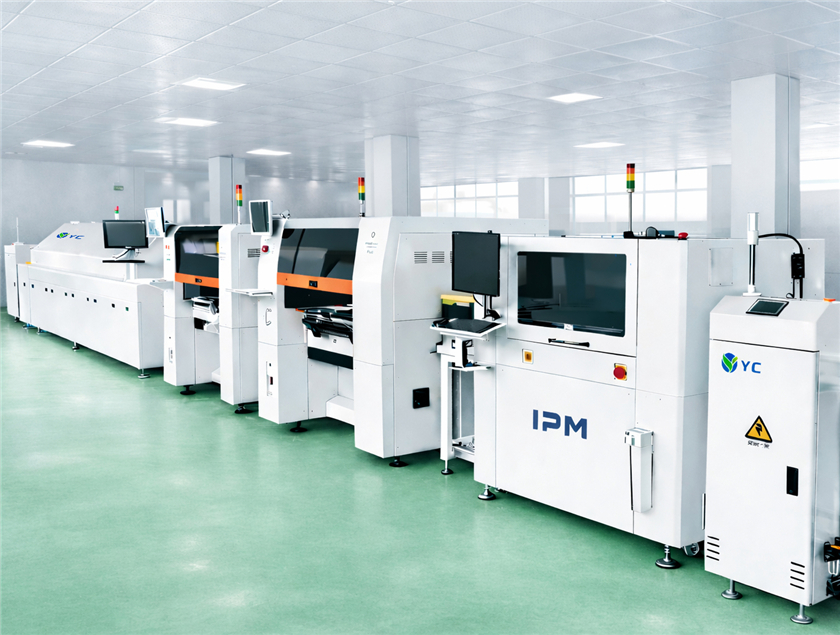
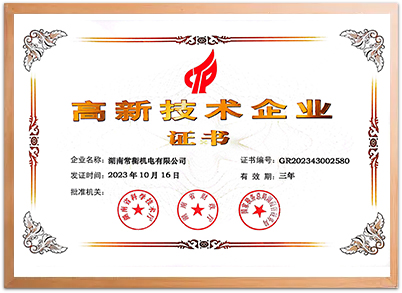
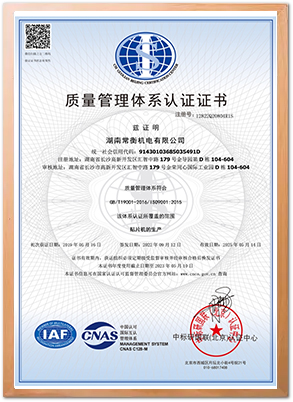
Shenzhen Yichun Electronic Automation Equipment Co., Ltd., founded in 2013, is a practical SMT production line solution provider and integrator focused on helping electronics manufacturers build stable and efficient manufacturing lines.
We specialize in SMT line planning, equipment integration, installation, and technical support based on real factory production requirements. Our solutions combine reliable SMT equipment with practical engineering experience to deliver cost-effective and easy-to-operate production lines for growing manufacturers.
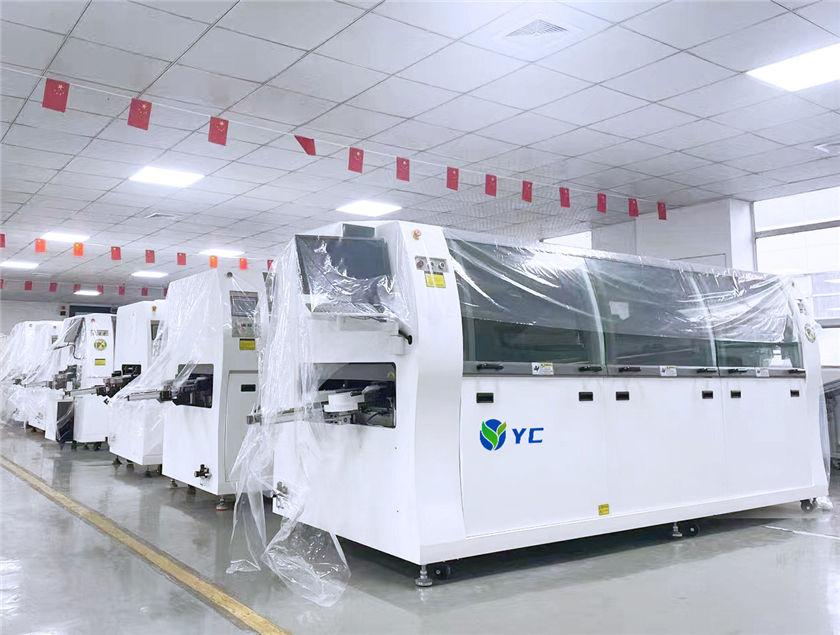
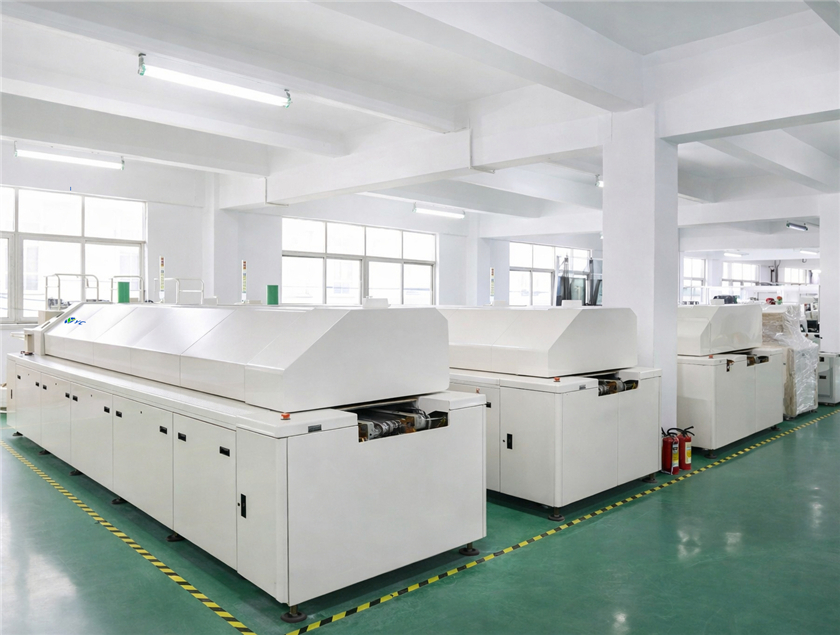
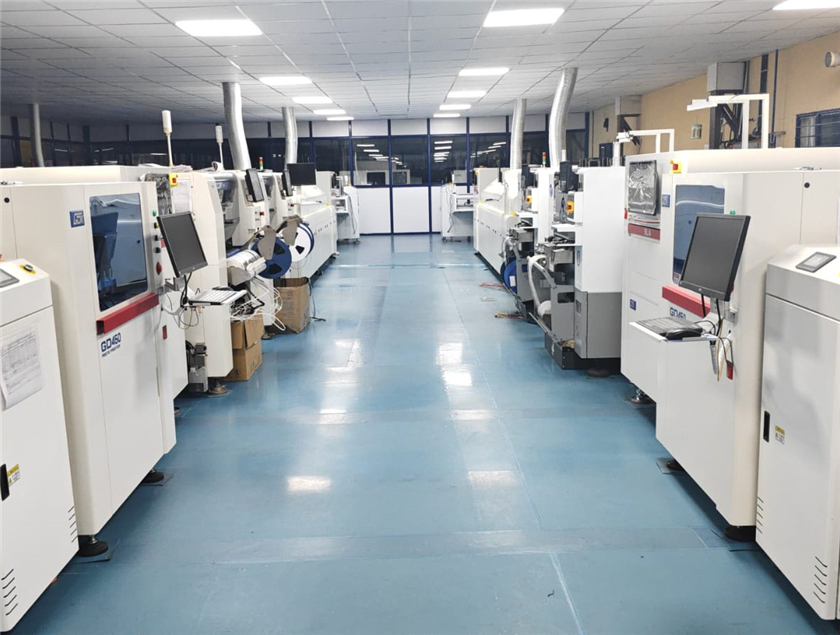
Our main solutions include reflow ovens, wave soldering systems, SMT production lines, automatic printers, pick-and-place machines, and related peripheral equipment. Rather than focusing only on individual machines, we emphasize complete line configuration, factory layout optimization, and long-term operational stability.
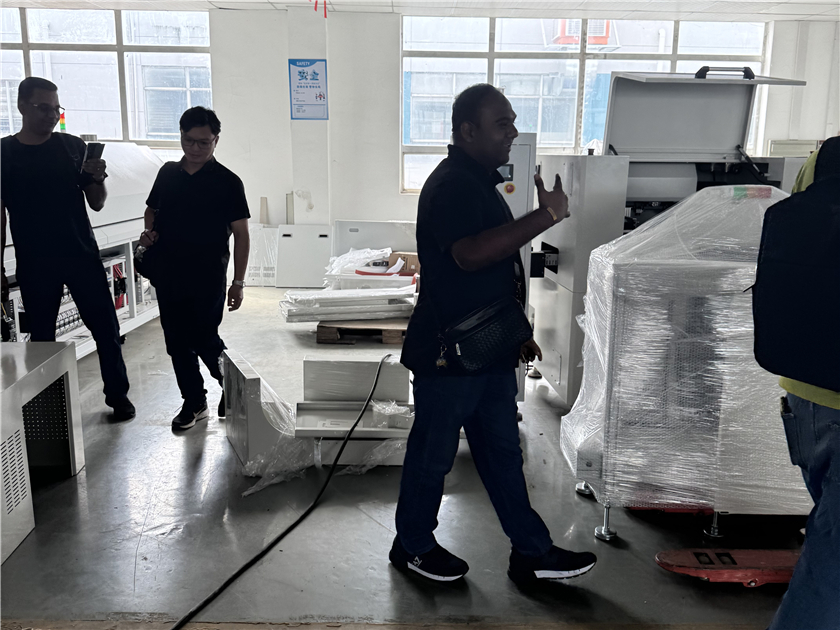
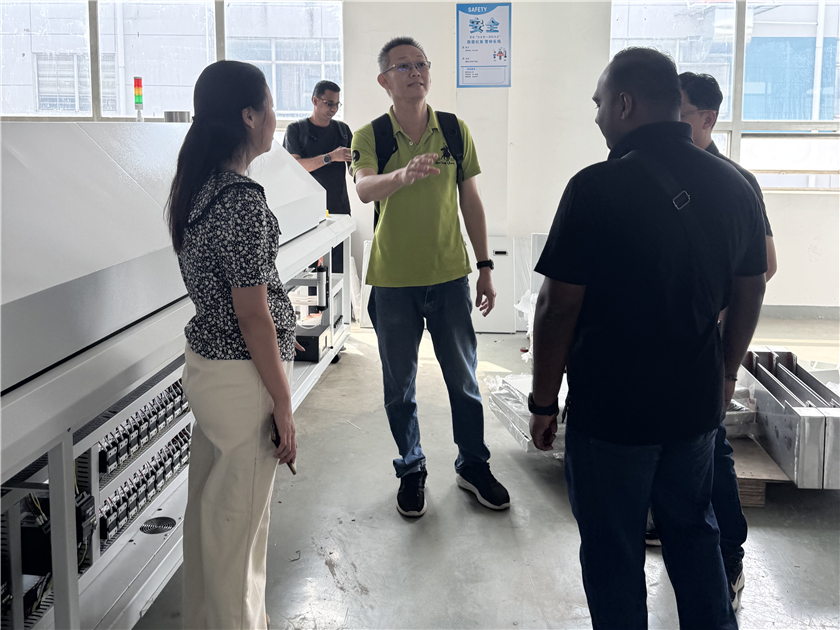
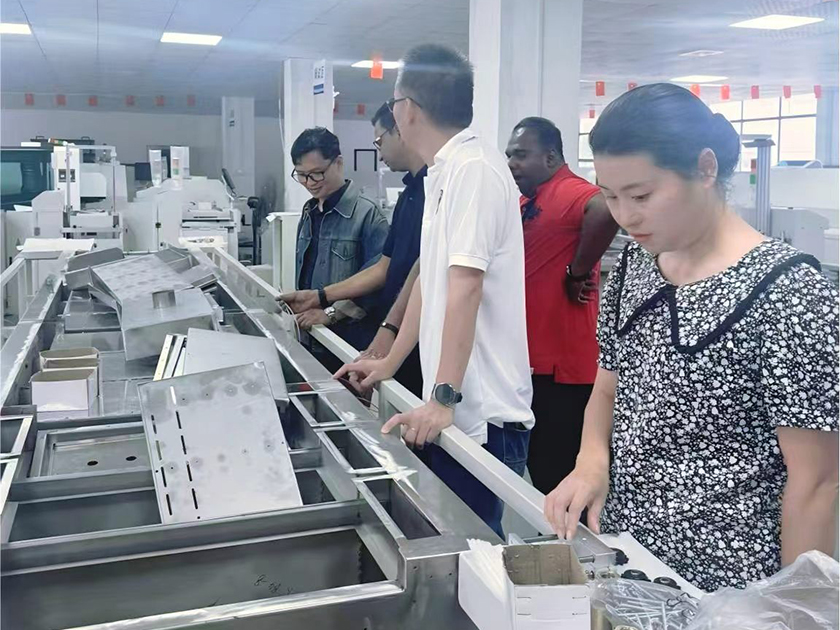
Yichun Electronic operates a demonstration and training showroom used for equipment testing, solution verification, and customer visits, helping clients better understand production processes before implementation.
To provide practical, stable, and cost-effective SMT automation solutions that help electronics manufacturers improve productivity, maintain consistent product quality, and grow their manufacturing capabilities with confidence.
To become a reliable long-term SMT line integration partner for manufacturers seeking practical solutions, flexible equipment configurations, and dependable engineering support.
We focus on real production needs rather than theoretical configurations. From initial line planning to installation and long-term maintenance, our engineering team provides continuous support throughout the entire manufacturing lifecycle.
Why worldwide SMT assemblers choose Yichun integrated tabletop reflow ovens and turnkey surface-mount equipment.
Hands-on experience configuring full turnkey SMT lines tailored to specific target throughput, component mix, and factory floor limits.
Customizing heating zone lengths, conveyor widths, and internal cooling fans to match lead-free, leaded, or micro-BGA profiles.
On-site equipment commissioning, operator thermal profiling training, and continuous engineer-to-engineer technical assistance.
Rapid international spare parts dispatching and remote diagnostic support ensuring minimal manufacturing downtime.
Understanding where tabletop SMT reflow ovens excel across industrial, educational, and high-tech sectors globally.
Hardware design centers in North America and Europe rely on desktop reflow ovens to validate PCB schematics instantly. Engineers can solder prototype boards in under 10 minutes, avoiding long lead times from external assembly houses and keeping intellectual property (IP) fully internal.
Contract manufacturers delivering specialized medical electronics, sensor arrays, or industrial controllers utilize batch tabletop ovens. These systems allow seamless switching between lead-free SAC305 profiles and low-temperature bismuth-based alloys without reconfiguring massive inline conveyor belts.
Universities and technical colleges worldwide adopt benchtop reflow ovens to teach surface-mount manufacturing processes. Their transparent observation windows and real-time USB thermal graph monitoring provide students with clear visibility into preheat, soak, reflow, and cooling stages.
High-reliability military and aerospace components require stringent thermal environment controls. Compact nitrogen-compatible benchtop ovens enable precise oxygen displacement during reflow, significantly reducing micro-voiding inside solder joints for mission-critical hardware.
Heavy copper layer PCBs used in LED aluminum substrates and power converters demand extended thermal soak phases. Advanced tabletop convection ovens prevent cold solder spots by delivering uniform thermal energy across high thermal mass aluminum sub-assemblies.
Hardware incubators empower early-stage IoT startups to manufacture pilot batches (10 to 500 units). Tabletop reflow ovens combined with desktop stencil printers provide complete end-to-end SMT manufacturing independence within modest operating budgets.
Key technical parameters B2B buyers must evaluate before issuing a Purchasing Order (PO) to factory suppliers.
Verify whether the tabletop oven features distinct heating zones (e.g., Top 3 / Bottom 3 hot air convection zones) or relies on a single-chamber batch heating profile. Multi-zone inline desktop ovens allow continuous PCB feeding, whereas drawer-type batch ovens reflow one board at a time.
Ensure the manufacturer uses high-precision K-type thermocouples connected directly to the PCB surface. Real-time temperature measurement ensures actual board temperatures match software settings, avoiding component overheating or incomplete flux activation.
Solder paste flux vapor contains volatilized rosin and chemical solvents. Confirm that the factory integrates standard 100mm exhaust duct ports or internal active carbon filter units to maintain lab air safety compliance.
Check the active heating area (e.g., 300mm x 300mm vs 400mm x 600mm) and vertical component clearance. Dual-sided PCB assemblies with tall electrolytic capacitors or tall connectors require at least 25mm to 35mm top clearance inside the heating chamber.
The roadmap for next-generation benchtop SMT thermal equipment over the coming decade.
Modern tabletop reflow systems are incorporating intelligent algorithm controllers. By entering board thickness, layer count, component density, and solder paste alloy specification, the system automatically calculates the optimal temperature profile, eliminating trial-and-error thermocouple profiling.
With global factory sustainability standards taking priority, newly developed benchtop reflow ovens utilize ceramic fiber insulation and brushless motor blowers, cutting power consumption during standby modes by over 40% while maintaining instant thermal readiness.
Factory MES (Manufacturing Execution Systems) integration is shifting down to desktop platforms. Modern tabletop reflow ovens now feature RJ45 Ethernet and Wi-Fi connectivity, logging every PCB soldering cycle's thermal curve for complete medical and automotive traceability.
Direct answers to technical queries regarding tabletop reflow oven selection, operation, maintenance, and factory sourcing.
A batch tabletop reflow oven heats a single PCB (or a static tray of PCBs) inside a closed thermal chamber according to a pre-set time-temperature profile. An inline conveyor reflow oven continuously moves PCBs through multiple distinct temperature zones (preheat, soak, reflow, cooling). Batch ovens are more compact and affordable, ideal for prototyping, while inline desktop ovens support continuous small-to-medium volume production.
Yes. Quality tabletop reflow ovens manufactured in China feature stainless steel heaters and forced hot air convection systems capable of reaching temperatures up to 300°C. SAC305 requires peak reflow temperatures between 235°C and 245°C, which modern tabletop units easily achieve with tight PID loop temperature control.
Infrared radiation heats objects based on color and surface absorption, causing dark components (like IC chips) to absorb more heat than reflective silver pads, leading to thermal unevenness ("shadowing"). Forced hot air convection circulates heated air uniformly across all board geometries, eliminating hot spots and cold solder joints.
For double-sided PCB reflow, solder the side with lighter, smaller components first using a standard profile. When reflowing the second side containing heavier components, apply a solder paste with a slightly lower melting temperature or ensure surface tension holds bottom components in place while managing top heater convective balance.
Most benchtop and tabletop reflow ovens operate on standard single-phase 110V or 220V AC power, drawing between 1.5 kW and 4.5 kW peak power during initial warm-up. This allows easy integration into standard laboratory environments without requiring specialized 3-phase industrial power wiring.
Flux residues accumulate on chamber walls, glass observation windows, and internal blowers. It is recommended to wipe down the cool chamber interior with isopropyl alcohol (IPA) after every 40 hours of operation to prevent flux dripping onto active PCB boards during reflow.
Select industrial-grade tabletop reflow ovens offer sealed chamber options with dedicated N2 inlet ports and solenoid flow meters. Nitrogen purging drops oxygen levels below 100 PPM, preventing solder joint oxidation, improving wetting angles, and reducing voiding in fine-pitch BGA balls.
Reputable manufacturers like Yichun ship desktop equipment in export-grade fumigated wooden crates or double-walled reinforced carton boxes with customized shock-absorbing EPE foam casing to protect delicate ceramic heating tubes and electronics during ocean or air transport.
As electronics manufacturing continues to evolve, Yichun Electronic remains focused on delivering practical SMT line solutions that help manufacturers build reliable and efficient production capabilities.
We believe stable equipment, realistic engineering design, and long-term technical support are the foundation of successful manufacturing operations.
Whether customers are setting up a new SMT line or optimizing an existing production process, our team is committed to providing straightforward, dependable solutions tailored to real factory needs. We look forward to building long-term partnerships with manufacturers seeking practical, cost-effective SMT production solutions.
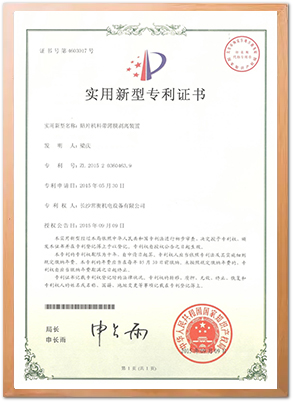
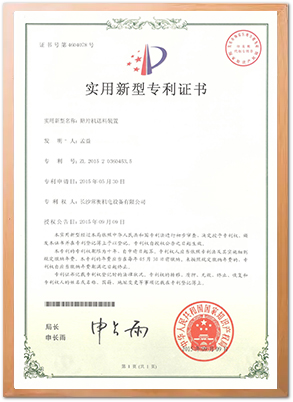
Complete your desktop and inline SMT manufacturing line with our high-efficiency peripheral equipment.
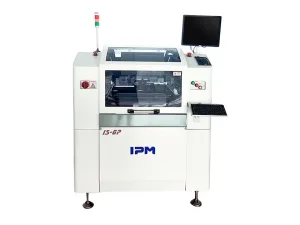
China IPM Fully Automatic Solder Paste Dispenser Manufacturer, High Precision SMT Line Solutions
View Product Specs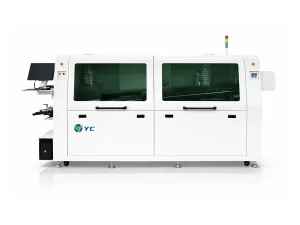
China 300mm Lead-Free Wave Soldering Machine for DIP Assembly - Reliable China Factory Suppliers
View Product Specs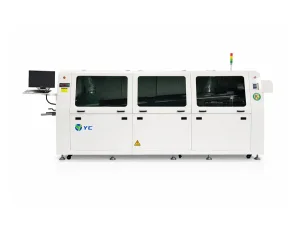
China Suppliers 350 Lead-Free Wave Soldering Machine for DIP Assembly - Efficient PCB Line Solution
View Product Specs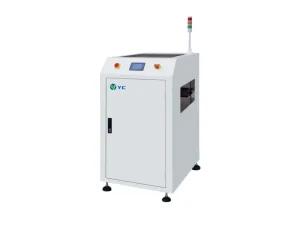
Cheap SMT PCB Inverter / Flipper for Double-Sided Assembly Line Manufacturer, Exporter
View Product Specs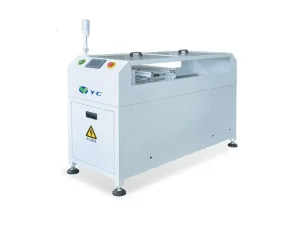
Cheap Automatic PCB Shuttle Conveyor for SMT Assembly Lines - Top China Factory Suppliers
View Product Specs
Cheap YC Automatic PCB Shuttle Conveyor for SMT Assembly Lines Manufacturer, Exporter
View Product Specs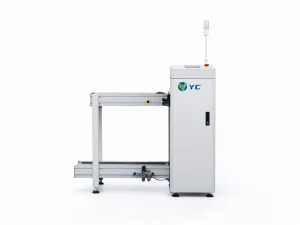
Cheap Automatic SMT PCB Loader - Efficient Production Line Solution from China Suppliers
View Product Specs Yichun Electronic