Explore our high-performance surface mount technology equipment portfolio, engineered for maximum throughput, process repeatability, and zero-defect assembly.
Why modern high-power electronics demand low-voiding solder joints through vacuum-assisted thermal profile optimization.
In high-density Printed Circuit Board Assemblies (PCBAs), thermal dissipation and mechanical joint integrity govern overall system reliability. As component miniaturization accelerates with the proliferation of Ball Grid Arrays (BGAs), Quad Flat No-leads (QFNs), and Insulated Gate Bipolar Transistors (IGBTs), conventional atmospheric reflow soldering exhibits systemic limitations. Micro-voids entrapped within solder joints act as thermal insulators, generating localized hot spots that dramatically accelerate component failure rates.
A Famous SMT Vacuum Reflow Oven Manufacturer engineers specialized thermal profiles where liquidus reflow is coupled with dynamic vacuum extraction. By dropping chamber pressure down to 5–10 mbar while the solder paste is in its molten liquidus phase, the buoyancy force of entrapped volatilized flux gas bubbles is multiplied exponentially, allowing micro-voids to escape before solidification.
Analyzing how automotive, aerospace, 5G infrastructure, and industrial electronics mandate vacuum reflow technology.
Electric vehicle (EV) drive trains and Battery Management Systems (BMS) operate under extreme currents. High solder voiding leads to thermal runaway. SMT Vacuum Reflow Ovens eliminate catastrophic voiding in SiC and GaN semiconductor packages.
5G Massive MIMO beamforming antennas and aerospace avionics require uncompromised signal transmission. Minimal micro-voiding ensures solder joint structural stability under intense mechanical vibrations and orbital temperature swings.
Life-critical electronics require IPC-A-610 Class 3 certification. Zero-void vacuum reflow eliminates internal voids that cause latent field failures, ensuring long-term operational integrity of medical control units.
An engineering breakdown of thermal zone configurations and dynamic vacuum timing within modern SMT production environments.
| Thermal Process Phase | Temperature Range (°C) | Chamber Environment | Process Objective & Mechanism |
|---|---|---|---|
| 1. Preheating Zone | 25°C – 150°C | Forced Convection / N2 Purge | Gradual temperature ramp (1.5–2.5°C/sec) to vaporize volatile solvents without causing solder spatter. |
| 2. Thermal Soak Zone | 150°C – 200°C | Inert N2 (<100 PPM O2) | Homogenizes thermal gradient across board mass; activates flux to remove copper oxide layers. |
| 3. Peak Liquidus Reflow | 217°C – 245°C (SAC305) | Nitrogen Reflow Environment | Solder paste transitions to liquid state; forms intermetallic compound bonds across surface mounts. |
| 4. Vacuum Extraction Chamber | 220°C – 240°C (Molten State) | Dynamic Vacuum (5 – 10 mbar) | Pressure reduction expands void bubbles, causing rapid buoyancy ejection from liquid solder pool. |
| 5. Controlled Cooling Zone | 240°C down to 100°C | Dual Closed-Loop Chillers | Rapid solidification (>3°C/sec) creates fine grain crystalline solder microstructures for max shear strength. |
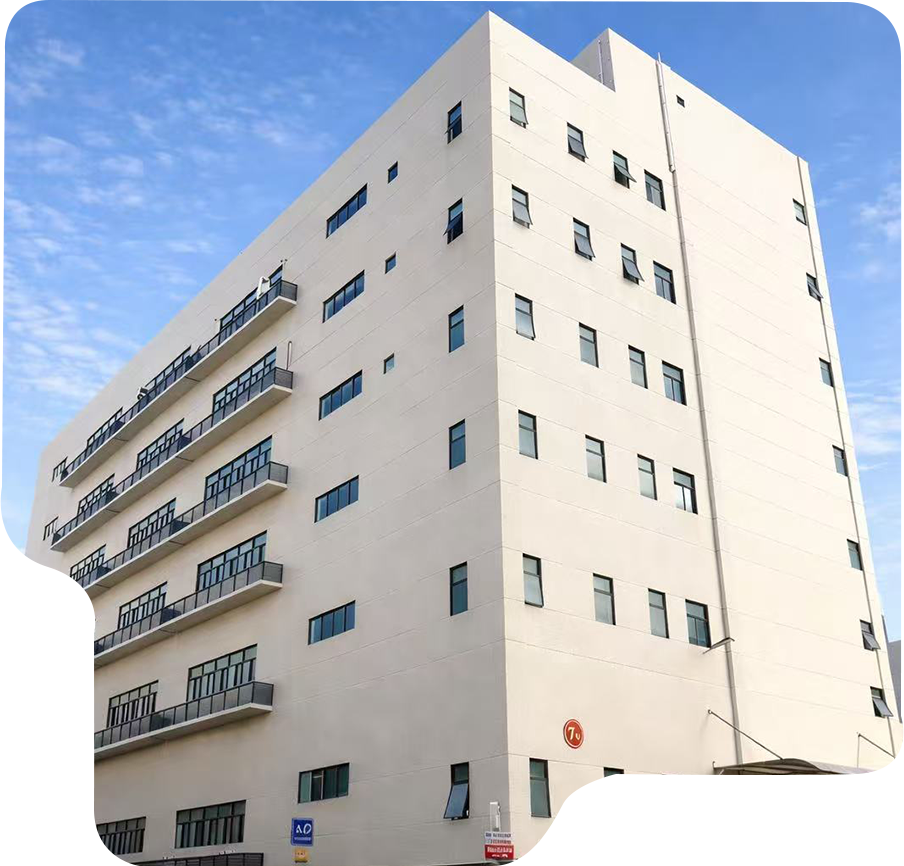
Shenzhen Yichun Electronic Automation Equipment Co., Ltd., founded in 2013, is a practical SMT production line solution provider and integrator focused on helping electronics manufacturers build stable and efficient manufacturing lines.
We specialize in SMT line planning, equipment integration, installation, and technical support based on real factory production requirements. Our solutions combine reliable SMT equipment with practical engineering experience to deliver cost-effective and easy-to-operate production lines for growing manufacturers.
Our main solutions include reflow ovens, wave soldering systems, SMT production lines, automatic printers, pick-and-place machines, and related peripheral equipment. Rather than focusing only on individual machines, we emphasize complete line configuration, factory layout optimization, and long-term operational stability.
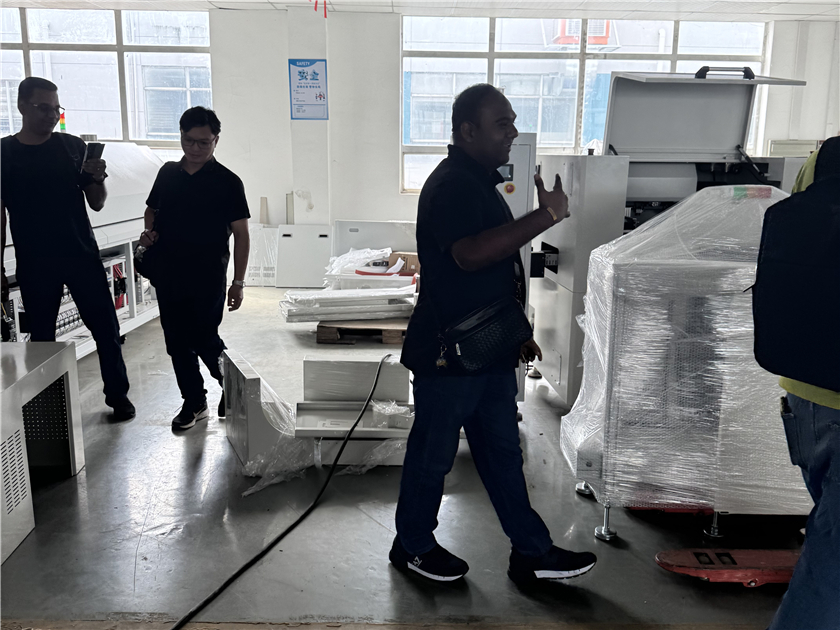
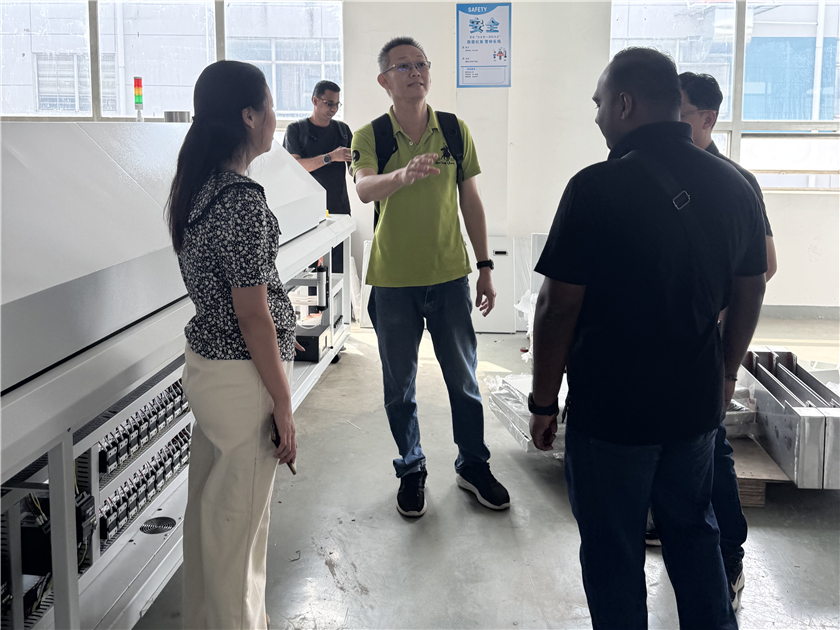
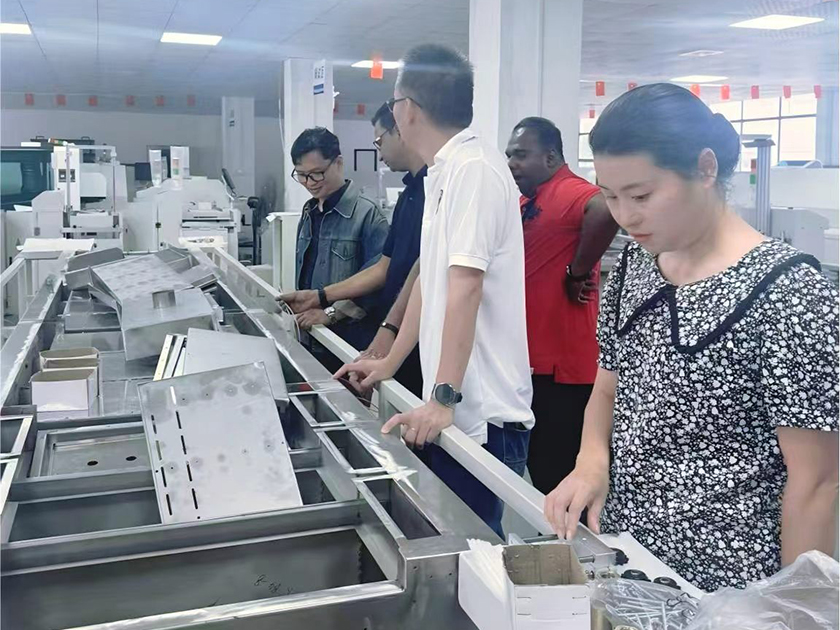
Yichun Electronic operates a demonstration and training showroom used for equipment testing, solution verification, and customer visits, helping clients better understand production processes before implementation.
Global Application Footprint: Our solutions are applied in consumer electronics, industrial control, communication products, and automotive electronics. We have supported SMT line projects in regions including Southeast Asia, South Asia, and Eastern Europe, providing installation, technical assistance, and ongoing service support.
Driving industrial excellence through pragmatic engineering, dynamic service, and rigorous technical validation.
To provide practical, stable, and cost-effective SMT automation solutions that help electronics manufacturers improve productivity, maintain consistent product quality, and grow their manufacturing capabilities with confidence.
To become a reliable long-term SMT line integration partner for manufacturers seeking practical solutions, flexible equipment configurations, and dependable engineering support.
We focus on real production needs rather than theoretical configurations. From initial line planning to installation and long-term maintenance, our engineering team provides continuous support throughout the entire manufacturing lifecycle.
Deep engineering experience in configuring complete turnkey SMT production lines customized around actual shop-floor targets and component densities.
Seamless integration of premium SMT hardware brands to achieve an optimized equilibrium between speed, precision, and operational expense.
Full hands-on implementation including on-site setup, profile calibration, operator training, and ongoing yield maximization assistance.
Rapid remote troubleshooting combined with fast-response field service engineers to guarantee line availability and minimize costly downtime.
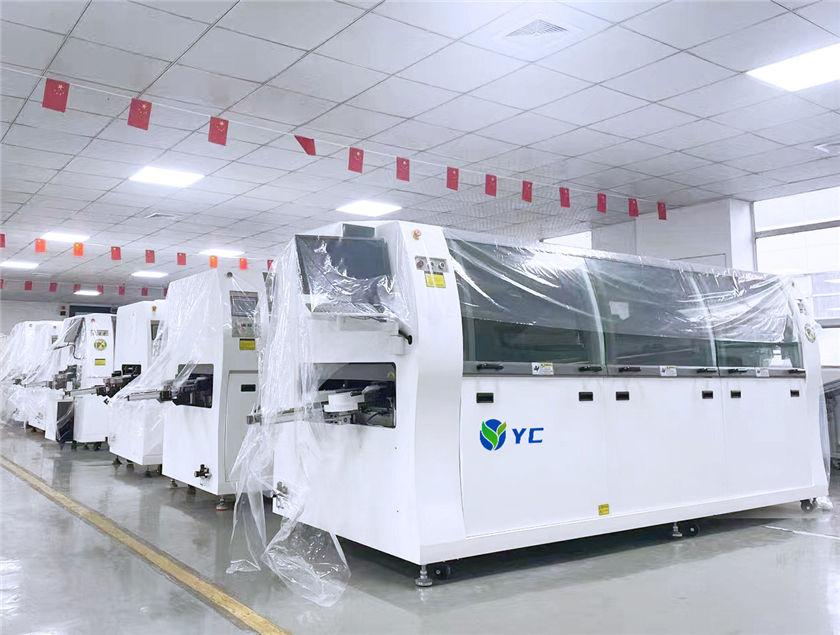
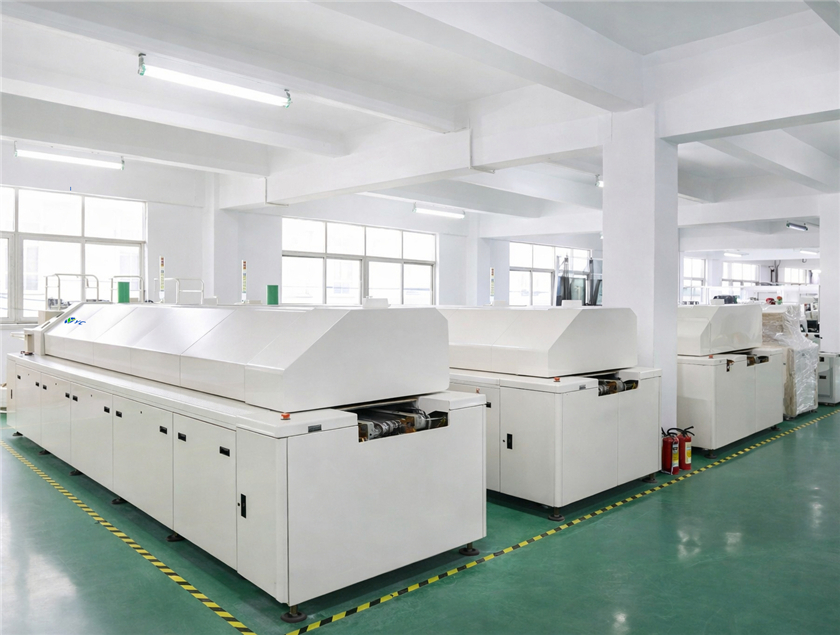
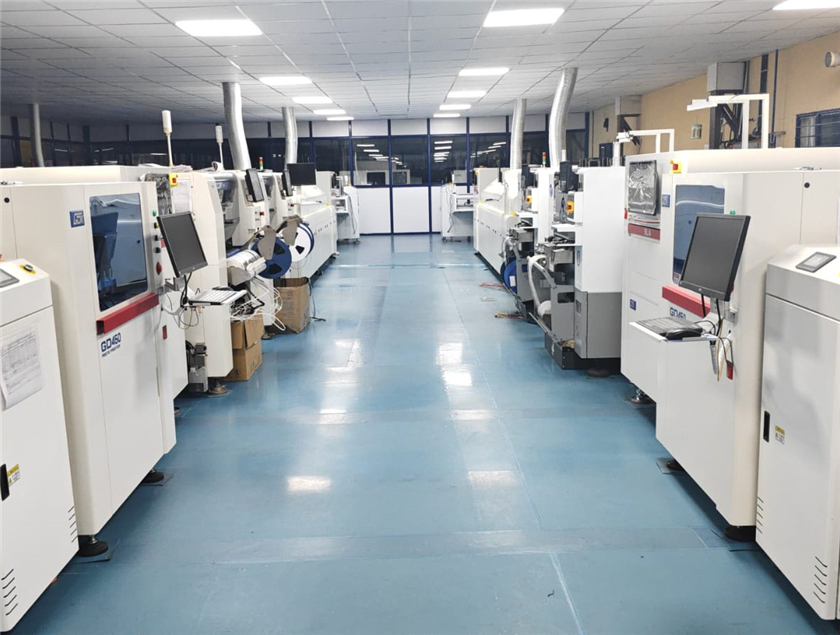
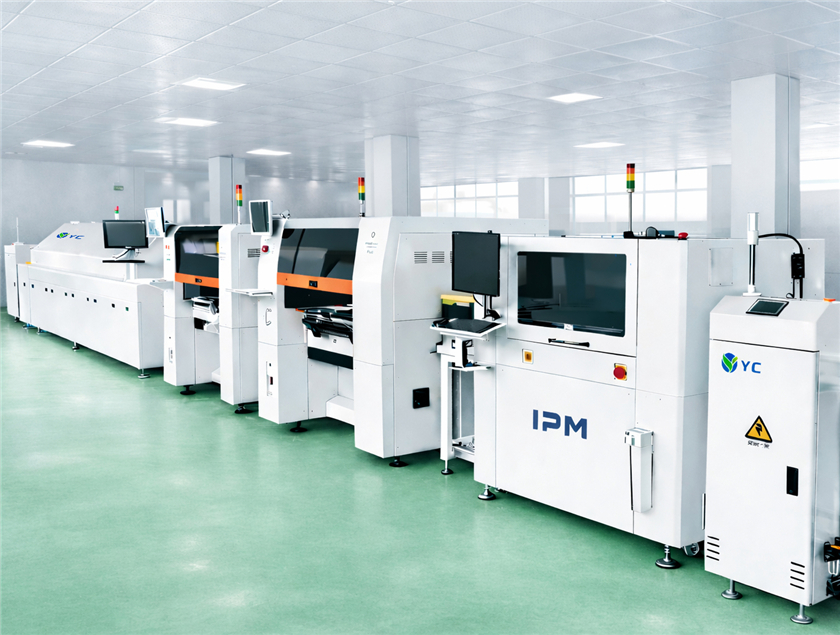
Rigid industrial chassis, high-grade heating elements, and robust vacuum chambers engineered for 24/7 continuous high-volume production cycles.
Optimized forced-air convection, ultra-fast vacuum extraction cycles, and high-efficiency cooling loops maximize line UPH (Units Per Hour).
Advanced insulation jackets, low-power standby modes, and smart nitrogen recycling drastically lower total operational costs (TCO).
Intuitive GUI with real-time temperature profiling, automatic void analytics, and single-click recipe switching to reduce operator training cycles.
How dynamic artificial intelligence and closed-loop data architecture are shaping the future of zero-defect thermal reflow manufacturing.
Full implementation of IPC-CFX and SECS/GEM communication protocols enables direct communication between SMT vacuum reflow ovens, SPI, AOI, and central factory execution systems for total traceability.
Sensors measure board mass, component density, and ambient humidity in real-time, autonomously tweaking zone blower speeds and vacuum depressurization dwell times without human intervention.
Next-generation thermal retention barriers reduce heat loss by 35%, while smart standby modes automatically throttle power consumption during upstream buffer holds, driving green SMT manufacturing.
Building long-term manufacturing partnerships through continuous technical innovation and client-centric solutions.
As electronics manufacturing continues to evolve, Yichun Electronic remains focused on delivering practical SMT line solutions that help manufacturers build reliable and efficient production capabilities. We believe stable equipment, realistic engineering design, and long-term technical support are the foundation of successful manufacturing operations.
Whether customers are setting up a new SMT line or optimizing an existing production process, our team is committed to providing straightforward, dependable solutions tailored to real factory needs. We look forward to building long-term partnerships with manufacturers seeking practical, cost-effective SMT production solutions.
Comprehensive technical solutions and operational guidance for optimizing SMT vacuum reflow processes.
When solder paste reaches its liquidus temperature phase, gas bubbles generated by volatile organic compounds in the flux become trapped within the liquid solder pool. The vacuum reflow oven dynamically pulls the process chamber down to pressure levels between 5 to 10 mbar. According to Boyle's Law, the volume of trapped gas bubbles expands rapidly, increasing their buoyancy. The bubbles surface and break open into the vacuum atmosphere before the oven transitions to the cooling phase, resulting in ultra-dense, void-free solder joints compliant with IPC Class 3 standards.
Our optimized vacuum chambers use high-capacity Roots pumps integrated with rapid-seal chamber doors. The depressurization, dwell time, and repressurization sequence takes only 10 to 20 seconds. Because this occurs seamlessly during the liquidus stage (Time Above Liquidus - TAL), overall line cycle throughput (UPH) remains virtually unaffected, ensuring high-speed output for automated production lines.
Yes, standard lead-free alloys such as SAC305 (Sn96.5Ag3.0Cu0.5), SAC0307, and low-temperature Sn-Bi alloys work exceptionally well in vacuum reflow systems. However, profile parameters such as flux content and peak TAL are fine-tuned so that flux outgassing occurs predictably during the depressurization phase without causing solder balling or solder splatter.
Yichun vacuum reflow ovens feature an integrated multi-stage flux management and extraction system. Volatilized flux vapors are drawn into cooled condensation traps outside the vacuum chamber, preventing residue accumulation on optical sensors, vacuum valves, and heating elements. This prolongs service intervals and simplifies routine maintenance.
Because the vacuum chamber isolates the board during the liquidus stage, nitrogen purge volume can be targeted precisely within sealed heating zones. By utilizing closed-loop oxygen sensors that maintain O2 concentration below 50 PPM, our vacuum reflow systems optimize N2 consumption—reducing gas usage by up to 25–35% compared to continuous-open nitrogen reflow tunnels.
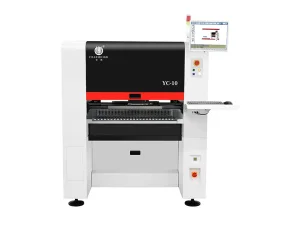
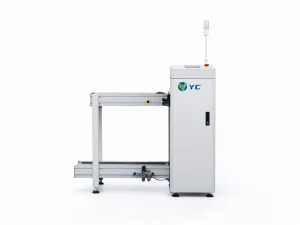
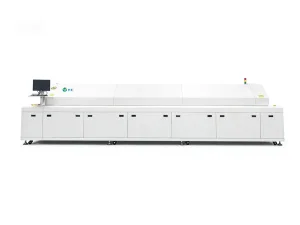
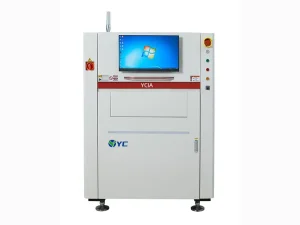
Explore our full range of automated SMT line modules, wave soldering units, loaders, and 3D inspection technology.
 Yichun Electronic