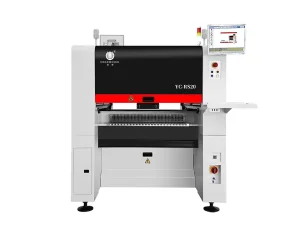
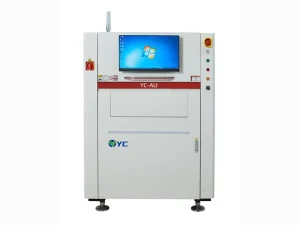
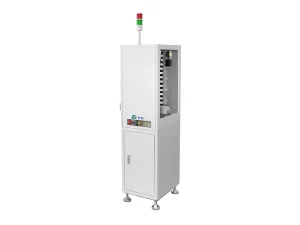
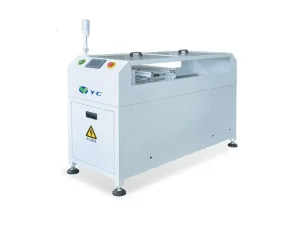
High-precision electronic assembly units engineered by top China OEMs for high-throughput factory lines.
In the era of rapid industrial automation, electric vehicles (EV), renewable energy inverters, and high-density computing hardware, the demand for robust Printed Circuit Board Assembly (PCBA) has surged. While Surface Mount Technology (SMT) dominates component miniaturization, through-hole technology (THT) remains indispensable for power electronics, heavy connectors, transformers, and automotive power modules requiring superior mechanical joint strength.
Large-scale wave soldering systems form the operational backbone of global THT assembly lines. Modern high-capacity wave soldering machines integrate dual-wave solder dynamics, inert Nitrogen ($N_2$) atmosphere tunnels, closed-loop thermal profiling, and smart flux spraying mechanisms. Factory managers across North America, Europe, and Asia-Pacific are increasingly turning to advanced wave soldering systems manufactured in China to balance throughput velocity with rigorous zero-defect quality standards such as IPC-A-610 Class 3.
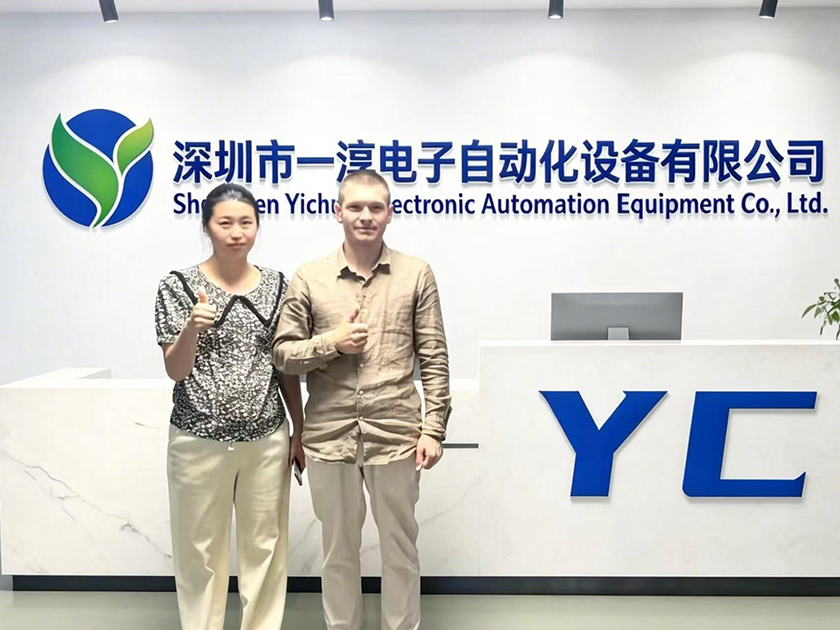
Shenzhen Yichun Electronic Automation Equipment Co., Ltd., founded in 2013, is a practical SMT production line solution provider and integrator focused on helping electronics manufacturers build stable and efficient manufacturing lines.
We specialize in SMT line planning, equipment integration, installation, and technical support based on real factory production requirements. Our solutions combine reliable SMT equipment with practical engineering experience to deliver cost-effective and easy-to-operate production lines for growing manufacturers.
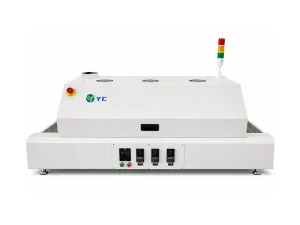
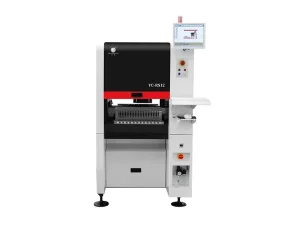
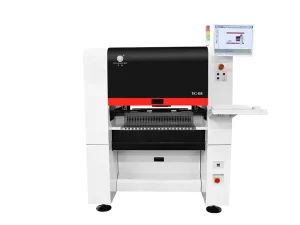
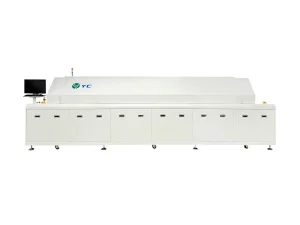
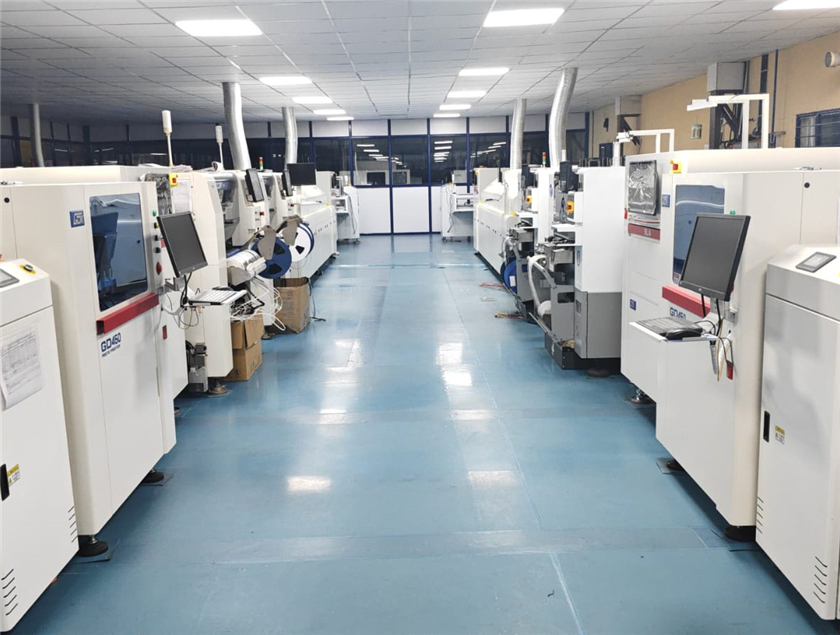
Our main solutions include reflow ovens, wave soldering systems, SMT production lines, automatic printers, pick-and-place machines, and related peripheral equipment. Rather than focusing only on individual machines, we emphasize complete line configuration, factory layout optimization, and long-term operational stability.
Yichun Electronic operates a demonstration and training showroom used for equipment testing, solution verification, and customer visits, helping clients better understand production processes before implementation.
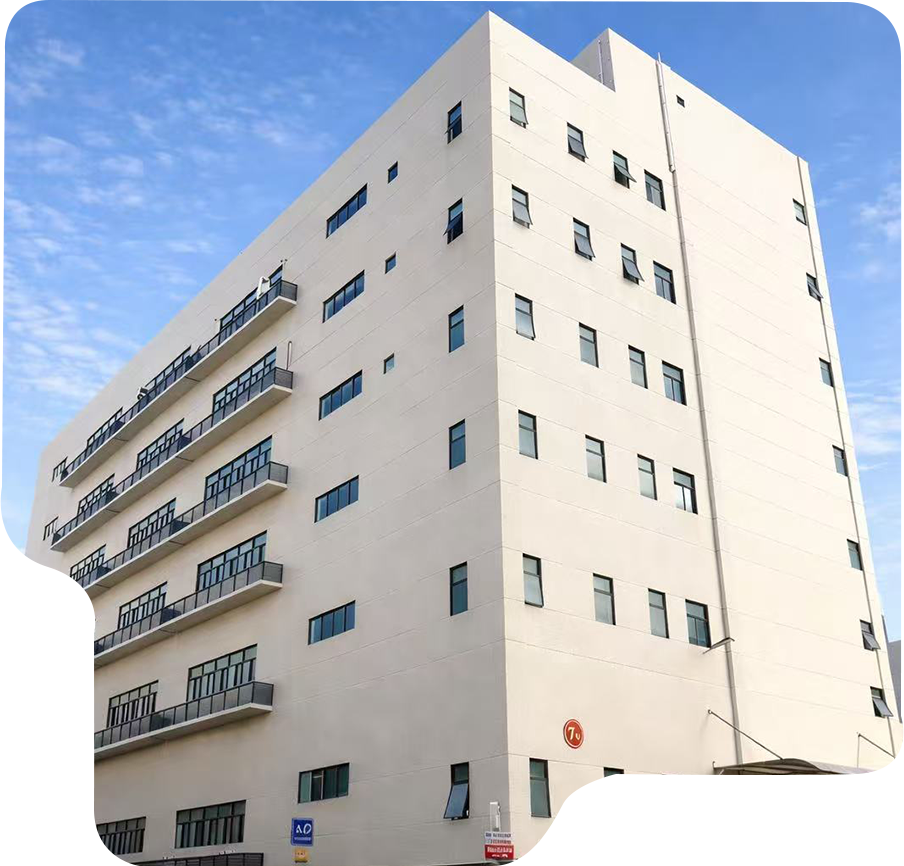
Our solutions are applied in consumer electronics, industrial control, communication products, and automotive electronics. We have supported SMT line projects in regions including Southeast Asia, South Asia, and Eastern Europe, providing installation, technical assistance, and ongoing service support.
Why leading global exporters and OEMs source high-capacity wave soldering and SMT machinery from China.
China's Pearl River Delta (Shenzhen-Dongguan hub) houses the world's dense concentration of precision metal fabrication, high-purity solder alloy refining, and sensor manufacturing. This allows wave soldering OEMs to source specialized components with zero lead-time latency.
Chinese factories excel at translating real-world production line feedback into mechanical innovations. Continuous upgrades to titanium solder pots, jet-wave fluid mechanics, and dual-zone flux atomization guarantee continuous operational uptime.
By leveraging standardized modular design and high-volume procurement, Chinese wave soldering exporters offer capital expenditures (CAPEX) up to 40-50% lower than European alternatives, without sacrificing long-term process reliability.
To provide practical, stable, and cost-effective SMT automation solutions that help electronics manufacturers improve productivity, maintain consistent product quality, and grow their manufacturing capabilities with confidence.
To become a reliable long-term SMT line integration partner for manufacturers seeking practical solutions, flexible equipment configurations, and dependable engineering support.
We focus on real production needs rather than theoretical configurations. From initial line planning to installation and long-term maintenance, our engineering team provides continuous support throughout the entire manufacturing lifecycle to ensure stable and efficient production.
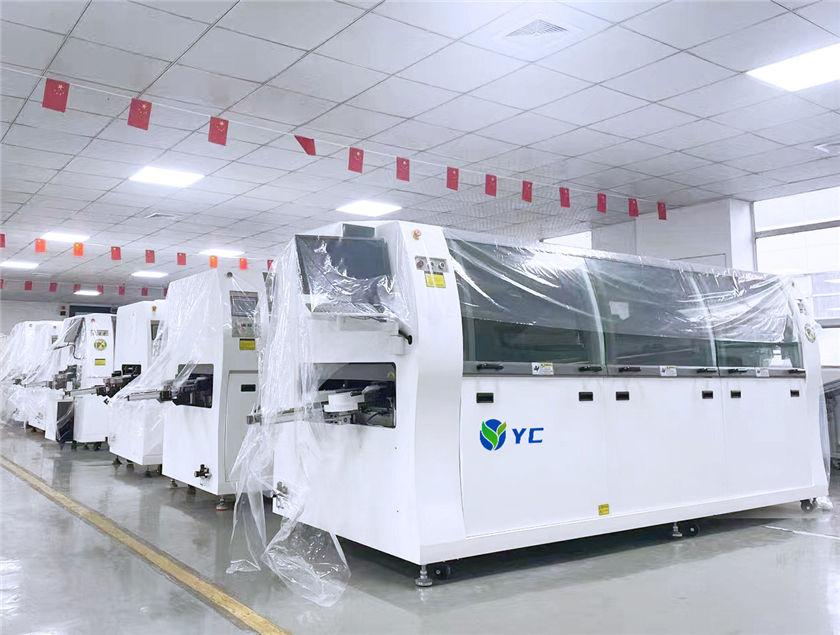
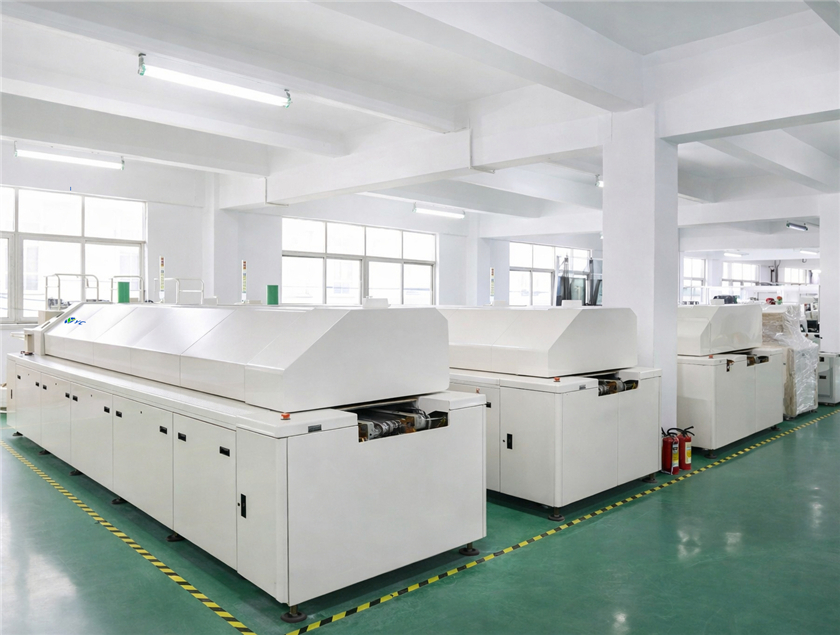
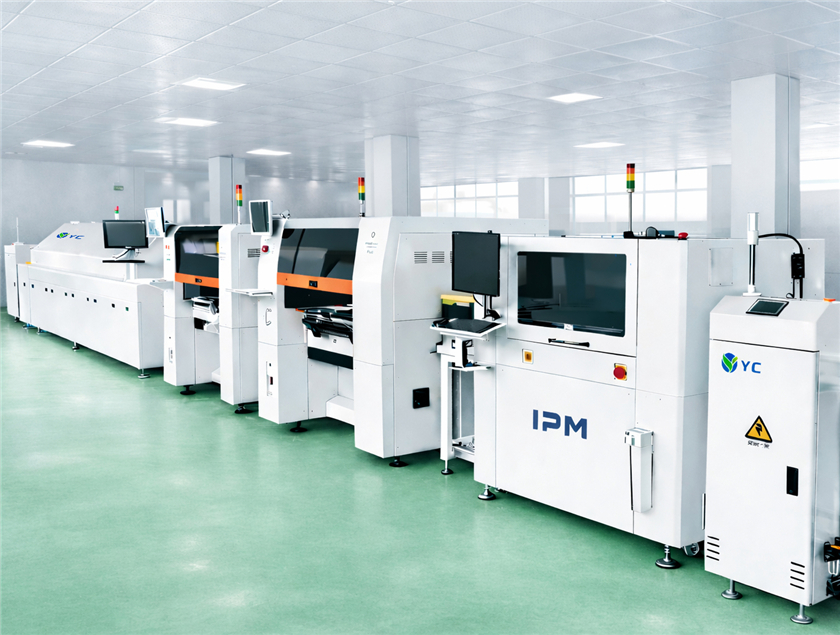
Modern industrial wave soldering requires precise thermodynamic and fluid control to eliminate defects such as solder bridging, pinholes, icicles, and insufficient fillet wetting. Large-scale wave soldering equipment from premier Chinese factories integrates five core mechanical subsystems:
Equipped with Japanese stepper-driven nozzles and dynamic PCB edge detection sensors. The closed-loop pneumatic system delivers micro-fine spray atomization, guaranteeing uniform flux coverage across high-density pin arrays while minimizing VOC emissions.
Utilizing high-efficiency ceramic or IR preheating modules over extended tunnel lengths (up to 1.8 to 2.2 meters). This ensures gradual heat soak, activating flux chemicals cleanly and preventing thermal shock on multi-layer high-copper PCBs.
Integrated full-nitrogen atmosphere maintains residual oxygen concentration below 500 ppm. This eliminates dross formation, reduces flux residues, and drastically improves copper barrel fill on complex multi-layer boards.
Features anti-corrosion titanium alloy impellers and dual wave nozzles (chip wave + main wave). The turbulent wave ensures zero dross bridging on surface mount components, while the smooth laminar wave perfects joint fillets on leads.
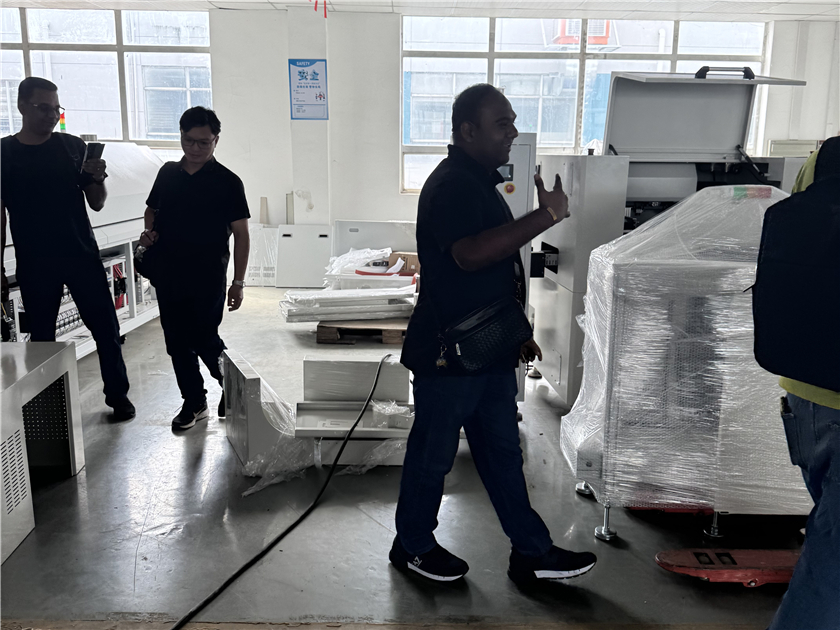
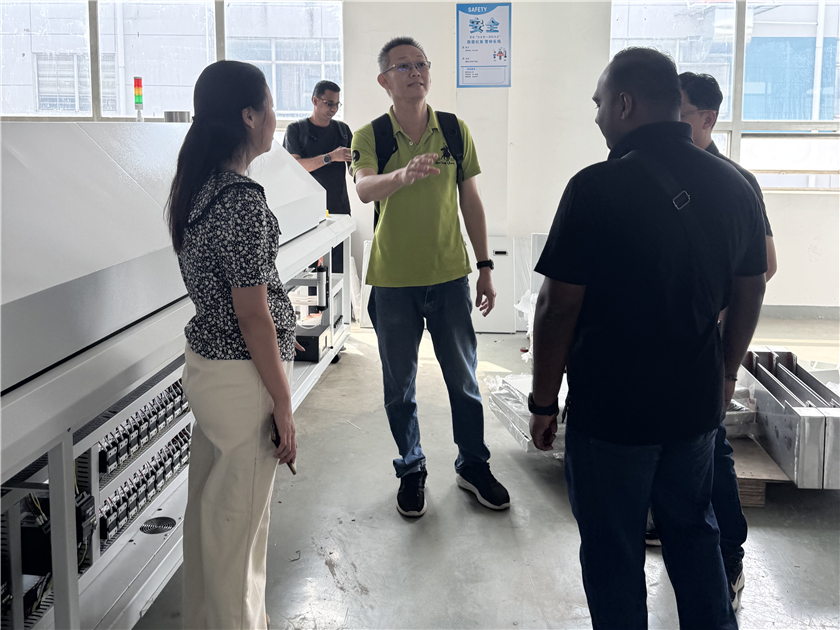
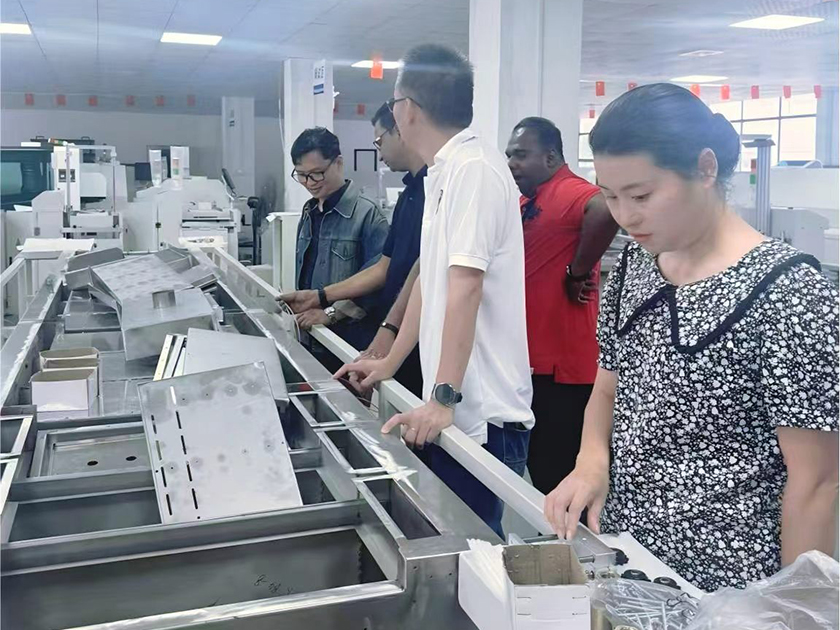
Engineered for diverse industrial verticals with tailored soldering profiles.
Power control units (PCU), battery management systems (BMS), and ECU boards requiring maximum thermal mass absorption and 100% barrel fill under IPC Class 3 guidelines.
Heavy copper traces (up to 3oz-6oz) for solar inverters, motor drives, and smart grid meters requiring sustained solder pot thermal stability and high-power preheating.
5G base station power distribution panels and high-frequency microwave communication hardware requiring low-voiding solder joints and zero oxidation.
Mainboards for LED TVs, air conditioners, and smart home appliances demanding 24/7 continuous operation, rapid cycle times, and minimal maintenance downtime.
When international procurement teams evaluate China-based wave soldering manufacturers and exporters, technical specifications are only part of the equation. Modern buyers scrutinize total cost of ownership (TCO), compliance with global safety standards, and Industry 4.0 connectivity.
As electronics manufacturing continues to evolve, Yichun Electronic remains focused on delivering practical SMT line solutions that help manufacturers build reliable and efficient production capabilities. We believe stable equipment, realistic engineering design, and long-term technical support are the foundation of successful manufacturing operations.
Whether customers are setting up a new SMT line or optimizing an existing production process, our team is committed to providing straightforward, dependable solutions tailored to real factory needs. We look forward to building long-term partnerships with manufacturers seeking practical, cost-effective SMT production solutions.
Expert answers to key engineering and purchasing questions regarding large-scale wave soldering equipment.
A: Single-wave machines use a single laminar wave, ideal for conventional through-hole components. Dual-wave systems utilize a turbulent "chip wave" followed by a smooth "laminar wave." The turbulent wave forces solder into tight SMD pin gaps to prevent skips, while the laminar wave removes excess solder to eliminate bridging.
A: Lead-free alloys (like SAC305 or Sn-Cu) operate at higher melting temperatures (~260°C), accelerating solder dross oxidation. A Nitrogen tunnel reduces oxygen levels below 500 ppm, drastically reducing solder dross consumption by up to 60-80% and improving joint wetting quality.
A: Professional line integrators like Yichun Electronic provide field application engineers (FAE) for on-site commissioning, operator training, and line optimization. Remote diagnostic software integrated via IoT gateways also enables real-time troubleshooting.
A: Titanium pots are highly resistant to lead-free tin erosion. Routine maintenance involves daily dross skimming, weekly inspection of impellers and wave nozzles, and periodic verification of thermocouple accuracy to prevent thermal drift.
A: Class 3 requires 75% vertical solder fill in plated through-holes (PTH). Achieving this requires dual-zone forced-air preheating to heat multi-layer copper planes adequately, combined with synchronized conveyor speed and flux penetration optimization.
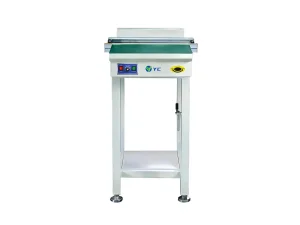
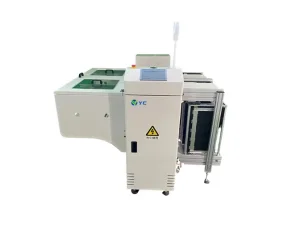
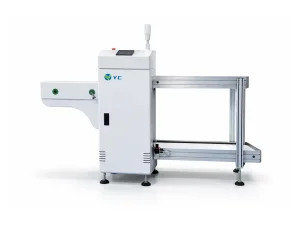
A: Yes, using automatic shuttle conveyors, PCB loaders/unloaders, and intermediate buffer storage units, SMT pick-and-place lines connect seamlessly with THT insertion and wave soldering lines for continuous inline manufacturing.
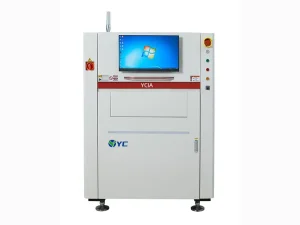
Explore integrated SMT pick & place, reflow oven, SPI, AOI, and PCB conveyor machinery.
 Yichun Electronic